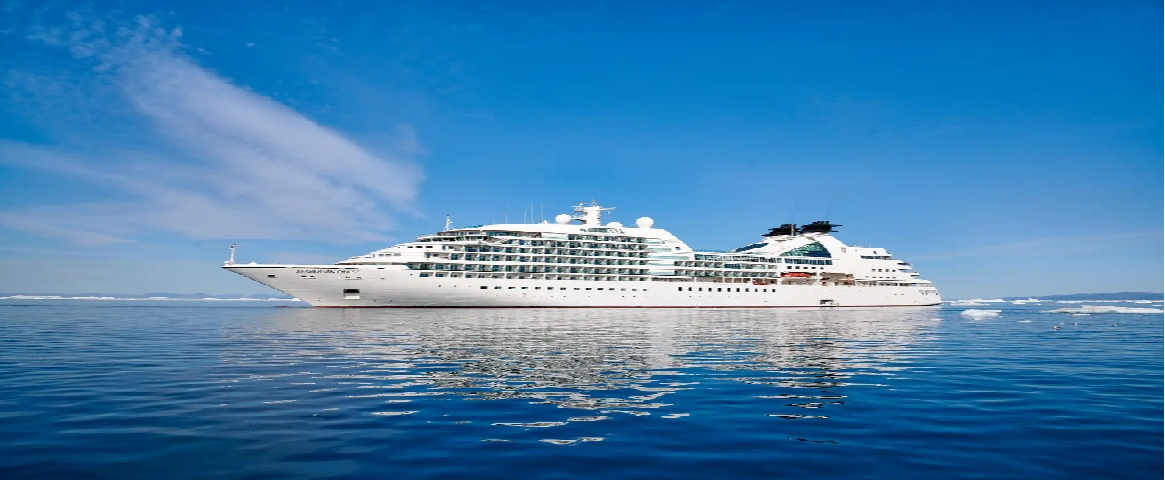
Jersey Island St Helier, Channel Islands UK
United Kingdom

36 Cruises availables At departure or passage at this port

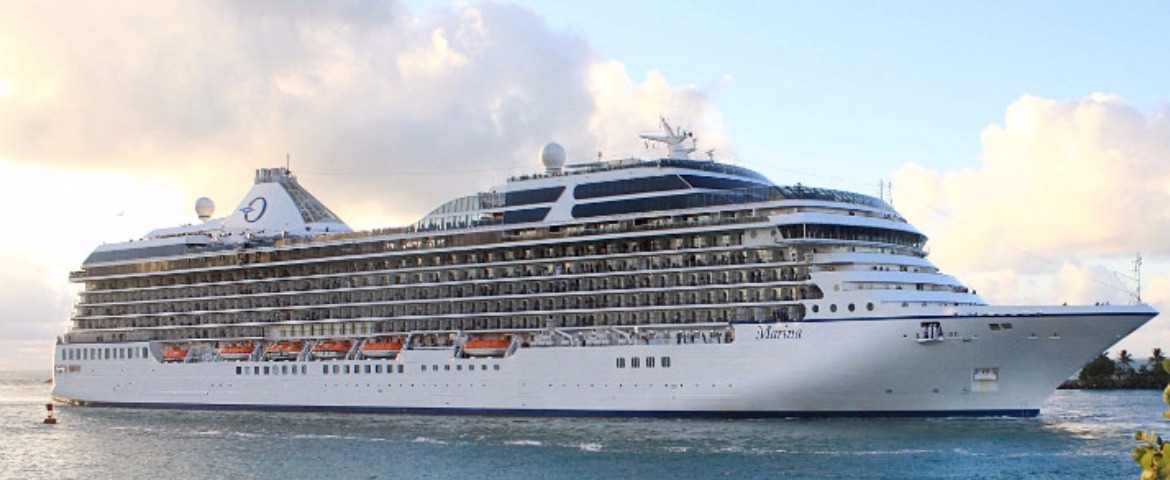
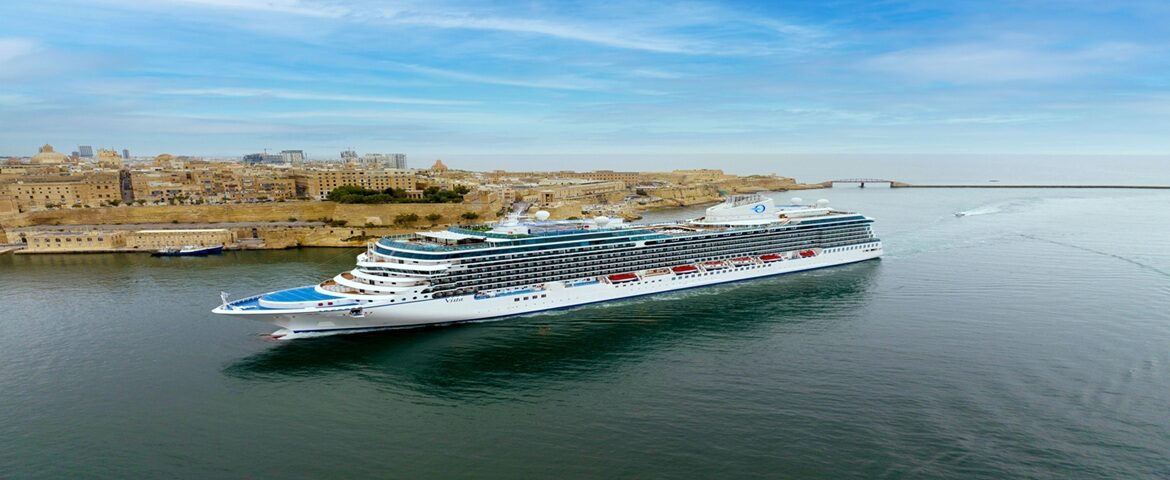
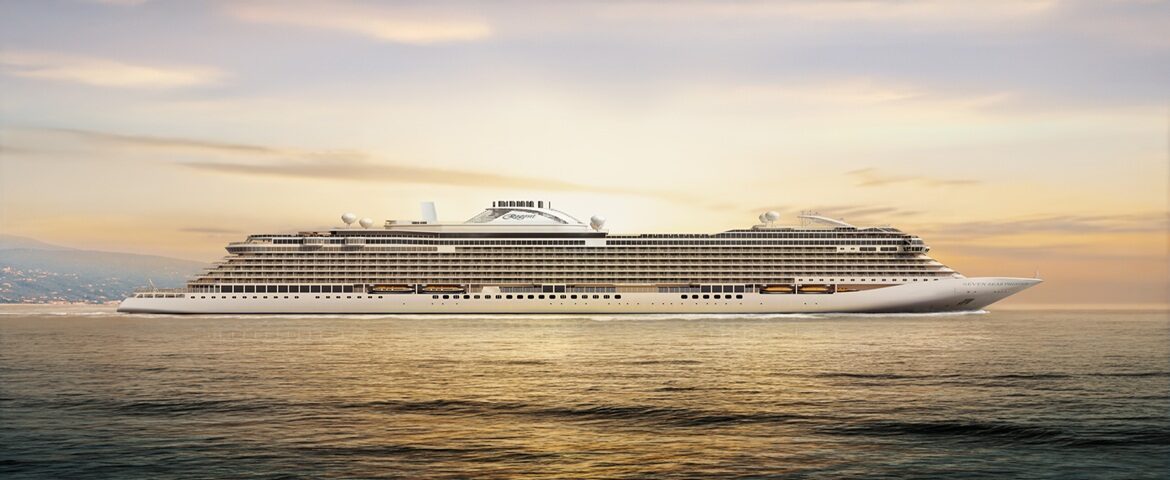
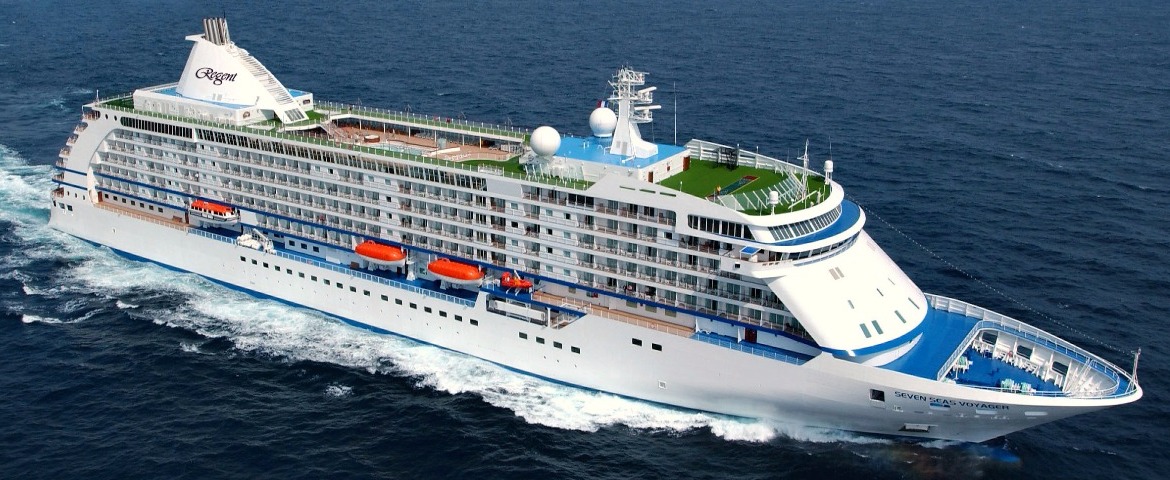
Regent Seven Seas Cruises (19 Cruises)
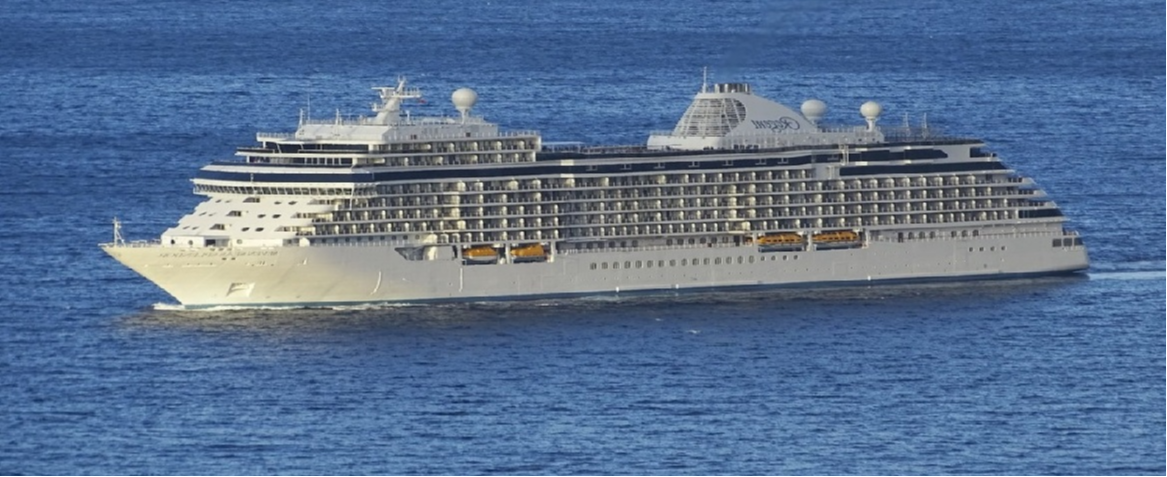
Jersey, Channel Islands | Cruise Port Guide

Twice a day, the sea retreats so far from Jersey that the island gains square kilometres of rock, sandbanks, and shimmering pools. These tides, among the largest in Europe, set the rhythm for Saint Helier, the capital of the largest of the Channel Islands. Cruise ships anchor in Saint Aubin's Bay and tender their passengers to the harbour, a few minutes' walk from downtown. Right away, the place intrigues: the streets bear French names, the currency is the pound, and the accent is British. Jersey has lived between two worlds for eight centuries.

Elizabeth Castle, Sentinel of the Tides

Facing the waterfront stands Elizabeth Castle, a fortress built up in stages on a rocky islet since Tudor times. At low tide, it's reached on foot along the exposed causeway; at high tide, a sea shuttle makes the crossing instead. Inside, barracks, bastions, and bunkers added during the German occupation tell four centuries of island defence, and the ramparts offer an open view over the bay and the town. Check the tide times before walking across: the sea comes back in here at a speed that surprises even the locals.

Everyday Saint Helier

Downtown is easily explored on foot. The Central Market, under its Victorian glass roof with cast-iron columns, gathers fruit, flower, fish, and butcher stalls around a central fountain; what's on offer here is islanders' everyday fare rather than a show for passersby. Allow a good hour to take it all in without rushing, longer if the seafood stalls hold your attention. The pedestrian streets nearby line up shops and café terraces, and Royal Square, shaded and quiet, recalls with its gilded statue of George II a singular status: an island loyal to the Crown, yet with its own laws and parliament.

The Memory of the Occupation

The island, along with its neighbours, was the only British territory occupied by Germany during the Second World War. The Jersey War Tunnels, an underground complex dug by the occupying forces a few kilometres from downtown, offer the fullest account of it: rationing, deportations, quiet resistance, and the liberation of May 1945. The visit, sober and well documented, ranks among the most moving parts of the stop and pairs well with an organized coastal excursion.

Mont Orgueil and the East Coast

Those with a few extra hours can head to the fishing village of Gorey, on the east coast, overlooked by Mont Orgueil Castle. This medieval fortress has watched over its harbour of colourful boats for more than 800 years, and the climb up its turrets rewards the effort with a panorama that, on a clear day, stretches all the way to the nearby French coast. Buses run regularly between Saint Helier and Gorey, and the simple, reliable network makes it an easy outing to do independently.

A Few Useful Distances

From the landingApproximate distanceOn foot or by bus
Downtown and Central Market1 km10 to 15 minutes on foot
Elizabeth Castle1.5 km + causeway or shuttle20 to 30 minutes
Gorey and Mont Orgueilabout 8 kmbus from the bus station

Before the Sea Comes Back In

Toward the end of the stop, many passengers take one last moment on the esplanade, watching the tide reclaim the bay and gradually surround the fortress. Jersey leaves behind this singular impression of an island that has chosen the best of its two heritages, British rigour and Norman gentleness, and serves them both with afternoon tea. Passengers head back aboard promising themselves a return visit on a fine spring day, when Jersey cows graze above turquoise bays.

Frequently Asked Questions

Cruise ships anchor in St Aubin's Bay and tender passengers into St Helier harbour, a few minutes' walk from the town centre. The capital of the largest Channel Island can then be explored entirely on foot.
The centre of St Helier, its covered market and Elizabeth Castle fill half a day comfortably. If history interests you more than shopping, swap the market for the Jersey War Tunnels a few kilometres away, by organised excursion or taxi.
It depends on the tide. At low water you walk out along the exposed causeway; at high water a ferry makes the crossing. Check the tide table before setting off on foot: the sea comes back in at a speed that surprises even locals.
Because they are among the largest in Europe. Twice a day the sea retreats so far that the island gains square kilometres of rock, sandbank and glittering pools. Those tides set the rhythm of everything in St Helier.
The pound. Jersey issues its own notes, accepted on the island alongside British sterling but hard to spend elsewhere: use them up before you leave. Cards are accepted everywhere in St Helier.
English, with a British accent. That is what throws visitors: the streets carry French names and the island was Norman for eight centuries, but French is no longer the everyday language. A French-speaking traveller is welcomed, but no more than that.
Fruit, flowers, fishmongers and butchers under a Victorian glass roof on cast-iron columns, around a central fountain. It is where islanders actually shop rather than a set piece for visitors. Allow a good hour at an easy pace, longer if the seafood stalls detain you.
An underground complex dug by the German occupying forces, a few kilometres from the centre. Jersey and its neighbours were the only British territory occupied during the Second World War. The visit is sober and well documented, covering rationing, deportations, quiet resistance and the liberation of May 1945.
Yes. Elizabeth Castle, walking out across the causeway at low tide and the vast expanses of exposed sand are a real hit. Just keep an eye on the incoming tide: it is the only genuine risk of the day, and it is a real one.
May to September. The island's climate is milder than mainland England, the gardens are at their best and the waterfront terraces are open. The tides remain spectacular in any season.