Port of Inverie, Scotland | Cruise Port Guide

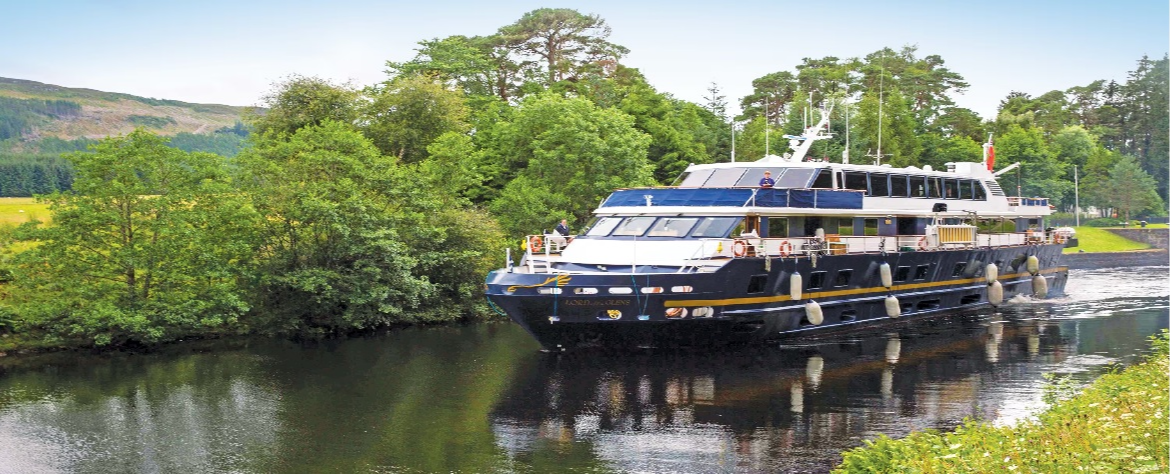
No road leads here. Inverie, a hundred or so residents on the north shore of Loch Nevis, holds a singular title: the most remote village on mainland Britain, cut off from the national road network by mountains only walkers can cross. You arrive by sea, by a thirty-minute ferry from Mallaig, or aboard the small expedition ships that explore Scotland's west coast. Stepping ashore here means stepping into another century without leaving the country.

The Knoydart Peninsula

The hamlet backs onto Knoydart, a wild peninsula squeezed between two sea lochs with evocative names: Nevis, "heaven," and Hourn, "hell." Between the two lie bare peaks, peat bogs, oak and birch woods, and not a single streetlamp. Hikers wanting to reach Inverie on foot face a 25-km trek from the nearest road, backpack on their shoulders and compass in hand. Cruise passengers, by contrast, step off at the village jetty in just a few minutes, which gives the place something of an air of privilege.

The Most Remote Pub in the Country

Facing the jetty, a row of white houses lines the shore, and among them stands the local institution: The Old Forge, officially the most remote pub on mainland Britain according to the Guinness World Records. Bought out by the residents themselves in 2022, it has become the village's communal living room: local beers and seafood caught right outside the door are served here, local musicians break into impromptu sessions, and conversations mix shepherds, fishermen, soaked hikers, and passing sailors. Stepping through that door is to understand half of what holds a community like this together.

A Community That Chose Its Own Fate

The other half lies in recent history. In 1999, after generations of absentee landlords, the residents collectively bought back their land: the Knoydart Foundation has since managed the forests, trails, and development of the territory, right down to the small hydroelectric plant that powers the community. A microbrewery, a community shop, and a few workshops round out the local economy, alongside deer farming and welcoming visitors. This laboratory of self-sufficiency draws curious visitors from around the world, and residents are happy to talk about it, with the dry humour typical of the Highlands.

Walking in the Silence

From the jetty, several marked trails head straight out into the wild. The walk to Long Beach Bay and its memorial takes less than an hour; more experienced hikers will aim for the slopes of Ladhar Bheinn, a 1,020-metre munro plunging into Loch Hourn, one of Scotland's most admired mountains. Along the way: red deer by the dozen, golden eagles with a bit of luck, and views over slate-blue waters where seals and porpoises hunt. Even an hour's walk is enough to grasp the essence of it, that thick silence broken only by the wind and the birds.

Good to Know

  • Access by sea only: ferry from Mallaig (30 to 40 minutes) or expedition ship.
  • Limited services: one pub, a shop, a few tearooms depending on the season.
  • Trails for all levels starting from the jetty; boots or sturdy shoes recommended.
  • Changeable weather in every season: a windbreaker is essential.

What Stays With You After Leaving

As the ship pulls away from Loch Nevis, Inverie quickly shrinks to a handful of white specks beneath the mountains. What you carry away from Inverie is less a set of images than a question: what does it really take to live well? A hundred or so people, at the end of no road at all, seem to have found their own answer. Travellers, for their part, leave with their own answer still to work out, and the loose plan to come back one day on foot, by the trail, to earn that pint at the Old Forge.

Frequently Asked Questions

At the village pontoon, reached in a few minutes from the anchorage. Inverie is served by no road at all: you arrive by sea, on the ferry from Mallaig in about thirty minutes, or aboard the small expedition ships that explore Scotland's west coast.
Because no road reaches the village. Cut off from the national road network by the mountains of the Knoydart peninsula, it is the most remote settlement on the British mainland. Walkers who want to arrive on foot face 25 kilometres from the nearest road.
Walk, and meet people. Several waymarked paths start straight from the pontoon; the walk to Long Beach bay and its memorial takes less than an hour. The Old Forge pub, facing the pontoon, is the other half of the experience.
Officially the most remote pub on the British mainland according to the Guinness Book of Records. Bought out by the residents themselves in 2022, it serves local beers and seafood landed in front of the door, and local musicians strike up sessions there. It is the village's shared living room.
A stretch of wilderness wedged between two sea lochs with telling names: Nevis, "the heavens", and Hourn, "hell". Between them lie bare summits, peat bogs, oak and birch woods, and not a single street light.
The residents themselves. In 1999, after generations of absentee landlords, they bought their land collectively. The Knoydart Foundation has since managed forests, paths and local development, including the small hydroelectric plant that powers the community.
Experienced walkers set their sights on Ladhar Bheinn, a 1,020-metre munro, but that is a full-day undertaking and does not fit a short call. The shorter paths around the village suit the time available far better.
A community shop, a microbrewery and a few workshops, in addition to the pub. The local economy also rests on deer management and welcoming visitors. Expect no cash machine and no organised tourist services.
For families who enjoy walking and talking, yes. There is no attraction and no programme: the interest lies in the landscape, the quiet and the people. Residents talk readily about their experiment in self-reliance, with dry Highland humour.
Pounds sterling and English, in a Highland village where mobile coverage is weak: carry a little cash. The best window runs May to September; midges are troublesome from June to August in still weather, and access always depends on conditions in Loch Nevis.