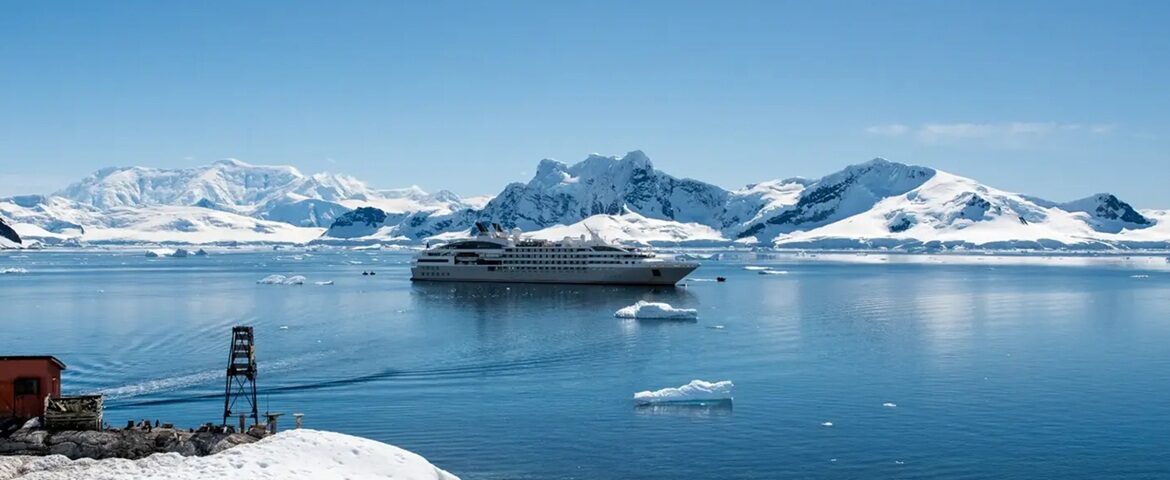
Herm Island Channel Islands UK
United Kingdom

2 Cruises availables At departure or passage at this port

Herm Island | Cruise Port Guide

No engine disturbs the peace of Herm. No cars, no paved roads: barely 2.4 km long, this Channel Island, a 20-minute catamaran ride from Guernsey, can only be explored on foot, to the rhythm of coastal paths and the cry of oystercatchers. For a passenger on a stop in St Peter Port, the crossing to Herm ranks among the loveliest escapes the Channel Islands have to offer: an entire island stripped down to the essentials, sand, low cliffs, meadows, and turquoise sea.

An Arrival with Barely Wet Feet

Ferries depart regularly from the main harbour at St Peter Port, Guernsey. The crossing itself is worth the trip: depending on the tide, the boat skirts rocky outcrops where cormorants dry their wings, and the water shifts from slate grey to pale green as the shore draws near. Depending on the tide, the boat docks at the small hamlet's quay or at the Rosaire Steps, a landing carved into the rock a little further south. Either way, just a few minutes are enough to reach the heart of the island: an inn, a pub, a handful of shops, and flower-draped cottages, that's all there is, and it suits the place perfectly.

Circling the Island in Two Hours

The coastal path makes a full loop of Herm in about two hours of easy walking. The north unrolls dunes and open beaches facing the neighbouring islets; the south rises in small gorse-covered cliffs from which Sark, and on a clear day the French coast, come into view. The terrain stays gentle, viewpoints follow one after another, and every bend in the trail seems designed for a photo stop. Ordinary walking shoes are all that's needed. Allow half a day for the loop plus a swim, or a full day if the weather tempts you to linger.

Shell Beach and Belvoir Bay

The island's best-known beach takes its name from the millions of shell fragments the Gulf Stream deposits there: Shell Beach, a long pale stretch facing the open sea, where the water takes on shades surprising for this latitude. Despite its reputation, it rarely feels crowded, there's no shortage of space, even at high tide. A beach café serves sandwiches, salads, and ice cream in season. Further south, Belvoir Bay nestles between two rocky points; sheltered from the prevailing winds, this soft sandy cove suits families and those who enjoy swimming or light snorkelling particularly well. Kayaks and paddleboards can be rented at Shell Beach in summer.

Practical Notes

DetailNote
Crossing from St Peter PortAbout 20 minutes by catamaran
Full island loop2 hours walking, coastal path
Shell Beach20-minute walk from the landing, café in season
Belvoir BaySheltered cove, family-friendly swimming
ServicesA pub, a hotel, a few shops at the hamlet

Small Curiosities

Along the trails, visitors come across St Tugual's Chapel, a medieval sanctuary no bigger than a classroom, kept up with touching care, as well as the stone walls and cottages of an island community numbering barely sixty residents. The Mermaid, a local institution, serves Guernsey beers and simple meals in a shaded courtyard where sparrows squabble over crumbs. Bring cash or a card: the island runs as usual, just on its own small scale.

The trip back to Guernsey is often made in silence, cheeks salty and shoes full of sand. Herm has no famous monument, no museum; instead, it offers something rarer, proof that a tiny island, free of cars and noise, can fill an entire day, and an entire memory. Those who've walked it once find themselves watching for another chance to set foot there, every time they pass through the Channel Islands.

Frequently Asked Questions

By catamaran from the main harbour at St Peter Port, Guernsey: about a 20-minute crossing, with regular departures. Depending on the tide, the boat lands at the hamlet quay or at the Rosaire Steps, a landing cut into the rock a little further south.
None. No cars and no paved roads: the island's 2.4 kilometres are covered on foot alone, at the pace of the coast paths. That is precisely what gives it its character.
About two hours at an easy pace on the coast path. The climbs are modest and ordinary walking shoes are enough. Allow half a day for the loop and a swim, a full day if the weather invites you to be lazy.
The island's best-known beach, about twenty minutes on foot from the landing, named for the millions of shell fragments the Gulf Stream deposits there. The water takes on colours that surprise at this latitude, and the beach is rarely crowded. A café serves sandwiches, salads and ice cream in season.
At Belvoir Bay, a soft sandy cove tucked between two rocky points on the south side. Sheltered from the prevailing winds, it suits families and easy snorkelling particularly well. Kayaks and paddleboards can be hired at Shell Beach in summer.
A pub, a hotel and a few shops at the hamlet, plus a beach café at Shell Beach in season. That is all, and it is deliberate. Bring an extra layer and water if you set off around the island.
The north unrolls dunes and beaches open to the neighbouring islets; the south raises low gorse-covered cliffs from which you can see Sark and, on a clear day, the French coast. Oystercatchers call over the meadows, and every bend in the path seems designed for a photo stop.
Very much so, as long as everyone accepts walking: there is no transport on the island. Belvoir Bay is ideal for swimming, Shell Beach for collecting shells, and the complete absence of traffic means children can run ahead.
The Guernsey pound, at parity with sterling, and English. Sterling notes are accepted everywhere. Cards work at the pub and the hotel, but a little cash is still useful on an island where everything is small.
June to September, when the water is least cold and the beach café is open. Out of season some services close and the crossing from Guernsey depends more on the weather. The landing point also varies with the tide.