Gough Island St Helena UK
United Kingdom

1 Cruises availables At departure or passage at this port

Gough Island | Cruise Port Guide

There are lands one approaches without ever setting foot. Gough is one such place. This volcano rising from the South Atlantic, 350 kilometres south-east of Tristan da Cunha, appears only on the most ambitious expedition itineraries, those connecting Antarctica to the lost islands of the Southern Ocean. No tourist landings are permitted: the island is contemplated from the sea, and that is precisely what gives it its worth.

A Reserve Closed to Visitors

A dependency of the British territory of Saint Helena, Gough is designated a UNESCO World Heritage site as one of the least disturbed island ecosystems of the temperate seas. The rule there is simple: no one lands save authorized personnel. The sole human presence, a South African meteorological station relieved annually by boat, has occupied a corner of the island since the 1950s. A handful of scientists and technicians live in self-sufficiency there, surrounded by millions of birds. Relief rotations are made by boat from Cape Town, over 2,500 kilometres away: one measures the isolation.

Cruising in a Zodiac

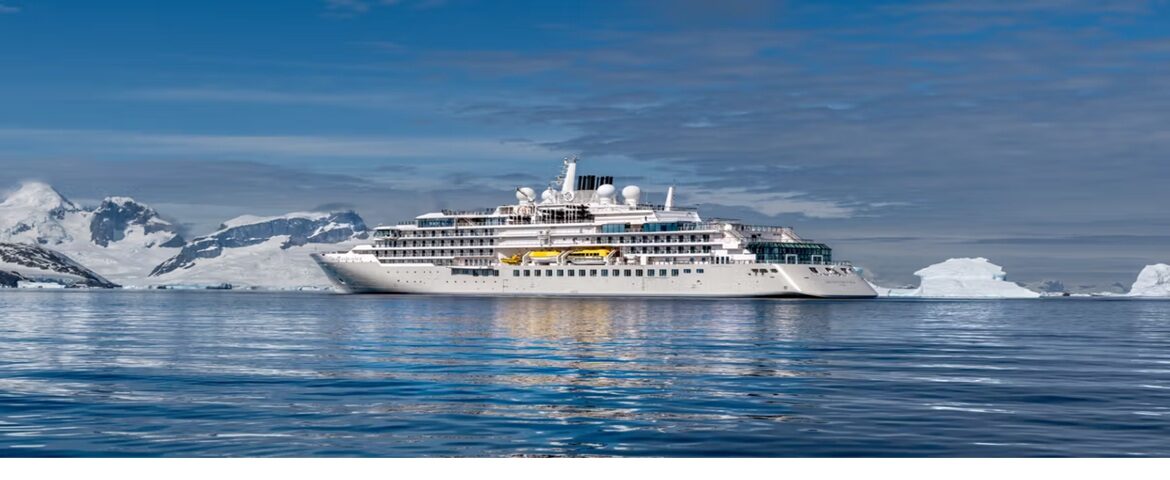
When swell and wind allow—nothing is ever certain at these latitudes—expedition vessels launch their small craft to trace the coastline. Dark cliffs streaked with waterfalls, slopes carpeted with tree ferns, sea caves where the surf echoes: the scenery evokes a world before mankind. Subantarctic fur seals lounge on the rocks, Northern rockhopper penguins—a species with golden crests—gather in noisy colonies, and whale blows sometimes punctuate the outing. The ship, meanwhile, waits offshore, engines idling, ready to recall its boats should weather turn.

Capital of Seabirds

This rock harbours one of the highest concentrations of seabirds on the planet. The Tristan albatross, one of the world's largest flying birds, breeds almost nowhere else; the Atlantic petrel likewise depends chiefly on this isolated archipelago. From the deck, binoculars in hand, one witnesses a continuous ballet: albatrosses gliding at wave-top level, clouds of prions, diving petrels threading between the crests. Embarked ornithologists, often moved to emotion, help put a name to each silhouette. Albatrosses can soar for hours without a wing-beat, borne by the constant winds of the roaring forties.

Preparing for the Unpredictable

Such an approach cannot be planned like an ordinary port call. South Atlantic weather decides everything, and ships arrange this approach as a possibility rather than a promise. Passengers boarding these itineraries know it: each island glimpsed is a victory over the ocean. Waterproof clothing, hat and gloves are essential on a zodiac, even in deep Southern summer, and seasickness is prevented before departure rather than once at sea. Some travellers attempt the approach more than once in their lifetime before seeing those cliffs clear the clouds.

Essential Reference Points

ElementDetail
AccessExpedition cruises only; no tourist landings authorized
ActivityZodiac outing along the coastline, weather permitting
WildlifeTristan albatross, petrels, Northern rockhopper penguins, fur seals
StatusNatural reserve and UNESCO World Heritage site

Long afterward, when one thinks of Gough, it is not an image that returns first, but a sound: the mingled roar of wind, surf and hundreds of thousands of wings. There still exist places where wild life holds undisputed sway, and knowing one can only brush its edge, from a craft dancing on the swell, is perhaps the finest lesson a cruise can offer.

Frequently Asked Questions

No. No tourist landing is permitted: the island is viewed from the sea. A dependency of the British territory of Saint Helena, it is a UNESCO World Heritage site as one of the least disturbed island ecosystems in the temperate seas.
In the South Atlantic, 350 kilometres southeast of Tristan da Cunha. It appears only on the most ambitious expedition itineraries, those linking Antarctica to the lost islands of the Southern Ocean.
A zodiac cruise along the coast, when swell and wind allow. Dark cliffs streaked with waterfalls, slopes covered in tree ferns, sea caves echoing with surf. The ship waits offshore, engines idling, ready to recall her boats if the weather turns.
Subantarctic fur seals hauled out on the rocks and Northern rockhopper penguins, with their golden crests, gathered in noisy colonies. Whale blows sometimes punctuate the outing. From the deck, binoculars in hand, the seabird traffic never stops.
Because it holds one of the highest concentrations of seabirds on the planet. The Tristan albatross, one of the largest flying birds in the world, breeds almost nowhere else, and the Atlantic petrel also depends largely on this isolated group.
A handful of people. A South African weather station has occupied one corner of the island since the 1950s, where a few scientists and technicians live self-sufficiently, surrounded by millions of birds. Crew changes come by ship from Cape Town, more than 2,500 kilometres away.
No, and the lines do not present it as such. South Atlantic weather decides everything: ships plan this approach as a possibility rather than a promise. Passengers on these itineraries know it, and every island sighted counts as a win.
Not really. This is expedition sailing in the South Atlantic, with no landing, rough seas and long days at sea before and after. It suits passengers passionate about birds and wilderness, not young children.
Binoculars, above all — they are the only way to enjoy the call. Then waterproof, windproof clothing for zodiac cruising and long spells on deck, and a camera protected from spray. The naturalists aboard help put a name to every silhouette.
The austral summer, November to March, when expedition itineraries cross the South Atlantic and the colonies are occupied. Even then the winds of the Roaring Forties blow constantly: nothing is ever guaranteed at these latitudes.