Kaş Turkey | Turquoise Coast Cruise & Ancient Lycia Guide

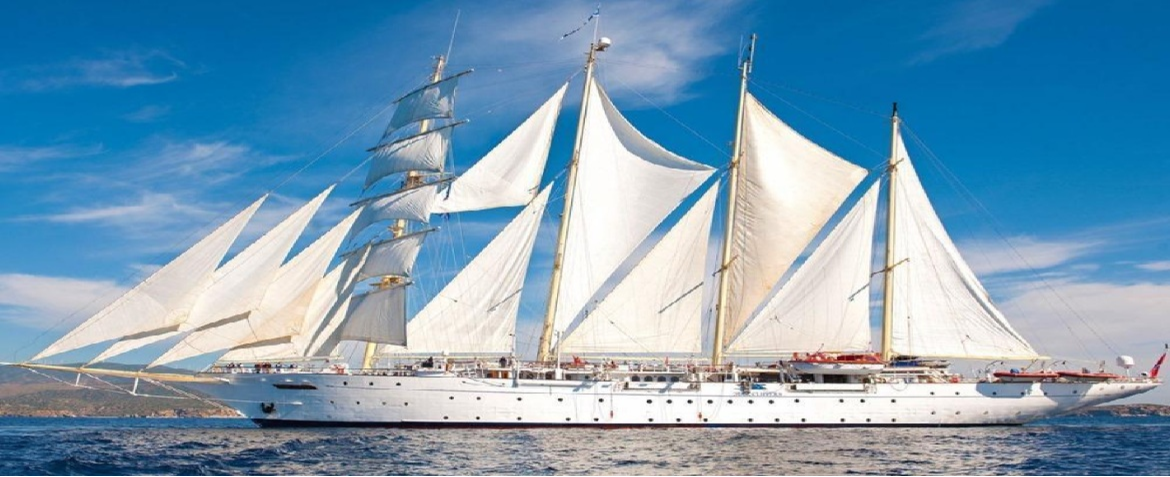
White houses tumble down the hills into a tiny cove where sailboats and schooners rock gently at anchor. Kas, the ancient Lycian city of Antiphellos, sits at the southern tip of Turkey's Turquoise Coast, in the province of Antalya. Too small for large terminals, it mainly welcomes smaller ships, which anchor in the bay and tender their passengers right into the heart of the village. You step ashore right in the middle of town, among the fishermen's nets and shaded café terraces, with no terminal and no line to wait in: the change of scenery begins with the very first step.

A Theatre Facing the Sea

About ten minutes' walk from the centre, the ancient theatre of Antiphellos has watched over the Mediterranean since Hellenistic times. Its tiers of honey-coloured stone, remarkably complete, open not onto a stage but onto the sea horizon. It's hard to resist sitting here for a moment, in the very spot where Lycian, and later Roman, spectators once sat more than two thousand years ago. No fence, no turnstile: the monument simply belongs to the landscape, and locals come here to read or watch the sailboats go by. Late in the day, as the light rakes across the stone, the spot becomes one of the finest viewpoints on the coast.

Tombs on Every Street Corner

Kas grew up in the middle of its own history. Monumental Lycian sarcophagi, topped with their pointed lids, stand right in the heart of the village, sometimes in the middle of a shopping street. The most photographed one sits at the top of Uzun Çarsi street, surrounded by shops and bougainvillea. This easy coexistence between everyday life and twenty-four-century-old funerary monuments gives the town a personality few stops can match.

Lanes, Terraces, and Artisans

Downtown is entirely walkable. Cobbled lanes climb between houses with wooden balconies overflowing with flowers, artisan shops, galleries, and cafés. Visitors can find carpets, ceramics, silver jewellery, and spices here, in an atmosphere far more relaxed than the country's big bazaars. The terraces around the bay invite a pause: a Turkish tea, a plate of mezze, the gentle sound of mooring lines creaking in the background.

The Sea as a Playground

Kas is also one of Turkey's great diving destinations, and boat excursions leave the waterfront for the nearby coves, those enclosed inlets where the water takes on shades of coloured glass and where schooners drop anchor for a swim. Just across the water, only a few kilometres away, the Greek island of Kastellorizo comes into view, close enough to make out its colourful houses. This watery border, where local caïques cross paths with Greek ferries, is a reminder that the Mediterranean has always been more of a bridge than a barrier.

Quick Reference

  • Landing by tender straight into the centre of the village.
  • Ancient theatre: about 10 minutes' walk from the dock, free access.
  • Lycian sarcophagus on Uzun Çarsi street: right downtown, a few minutes' walk.
  • Boat excursions to the nearby coves depart from the waterfront.
  • Steep, cobbled lanes in the old part of town: comfortable shoes recommended.
  • Local currency: the Turkish lira; euros are often accepted in shops.

Heading back to the ship, many passengers drag their feet along the waterfront, ice cream cone in hand, to soak up a little more of the place's easy charm. Kas isn't trying to impress anyone. It simply leaves behind the memory of a village where history dozes in the sun, and where you find yourself promising to come back and take the time you didn't have.

Frequently Asked Questions

It doesn't dock: Kaş is too small for large terminals. It mainly welcomes smaller ships, which anchor in the bay and land passengers by tender right in the heart of the village, among the fishermen's nets and shaded terraces. No terminal, no queue.
Entirely, and that is the whole point. Cobbled lanes climb between houses with wooden balconies buried in flowers, past artisan shops, galleries and cafés. The ancient theatre is about ten minutes' walk from the centre.
The theatre of Antiphellos, which has watched over the Mediterranean since Hellenistic times. Its tiers of honey-coloured stone, remarkably complete, open not onto a stage but onto the sea horizon. No barrier, no turnstile: the monument simply belongs to the landscape.
Yes, right in the middle of the streets. Monumental Lycian sarcophagi, topped with their pointed lids, stand at the heart of the village, sometimes in the middle of a shopping street. The most photographed sits at the top of Uzun Çarşı street, surrounded by shops and bougainvillea.
The village on foot, the Lycian sarcophagi along the way, the ancient theatre late in the morning and a long lunch on a terrace afterwards. Kaş isn't ticked off, it's walked through slowly: this is a call where trying to fill every hour means missing the point.
Perfectly. You'll find carpets, ceramics, silver jewellery and spices in an atmosphere far more relaxed than in the country's big bazaars. Craftspeople run their own shops and hard selling is almost non-existent.
Yes, trips leave from the cove toward the islets and neighbouring bays of the Lycian coast, with swimming stops. It is the best use of a long call. Always check the return time against the last tender before booking on the quay.
Late in the day, when the light rakes across the stones: the place becomes one of the finest viewpoints on the coast. Locals come to read there or watch the sails go by. If your call runs into the evening, save that moment for last.
The Turkish lira, and bring cash: in a village this size, not all craftspeople and boatmen take cards. Turkish is spoken, with decent English in the cafés and galleries; French is rare.
May, June, September and October. The heat stays bearable for climbing the cobbled lanes and the sea is warm for boat trips. At the height of summer the village is packed and the slopes become punishing before late afternoon.