Koh Kut-Kood Island Thailand

35 Cruises availables At departure or passage at this port

Seabourn Cruise Line (24 Cruises)

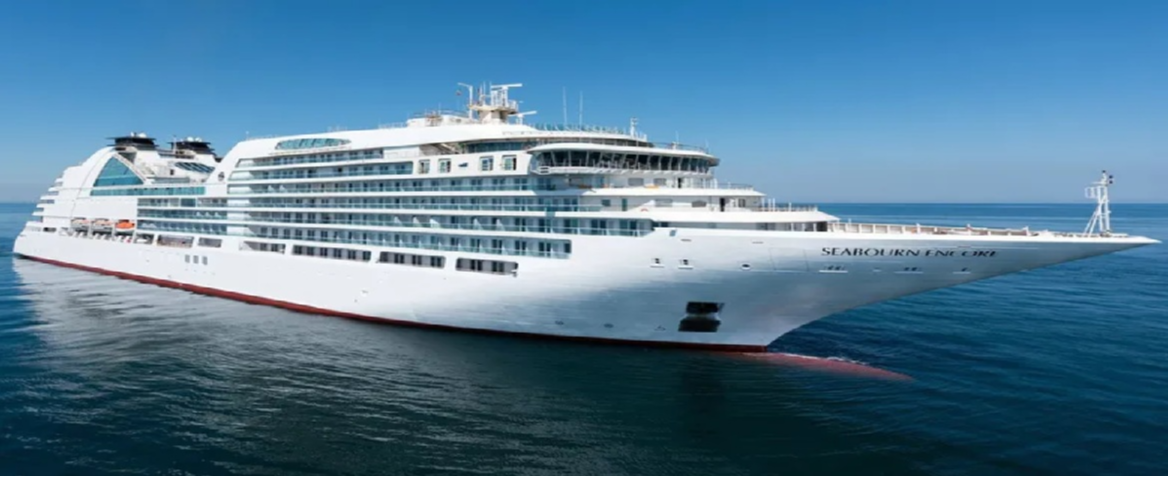
Seabourn Encore.

Seabourn Encore

40350 tons
Visit the ship's page

Koh Kood Island, Thailand | Cruise Port Guide

No pier awaits the ship at Koh Kood: it drops anchor offshore, and tenders bring passengers to a wooden jetty or straight onto the sand. This lack of infrastructure says everything about the place. Located in Trat province, close to the Cambodian border, Koh Kood has stayed out of the way of mass Thai tourism: few roads, no crowds, dense jungle running down to the beaches. Small cruise lines, such as Seabourn, Windstar or the Ritz-Carlton Yacht Collection, have made it a favourite stop on their Gulf of Thailand itineraries.

Nearly Empty Beaches

The west coast is lined with pale-sand bays where the sea stays transparent for dozens of metres. Khlong Chao unfurls its curve fringed with leaning coconut palms; Ao Tapao and Ao Phrao offer calm waters, perfect for long swims or kayaking along the shore. Depending on the landing point, swimming sometimes starts just steps from the tender. Port days are often spent simply going back and forth between the shade of the trees and the warm water, punctuated by a meal of grilled fish at a restaurant with your feet in the sand, while frigatebirds circle high above the bay. The wooden piers stretching out over the turquoise shallows are among the most photographed in Thailand, and you'll understand why from your very first step.

Waterfalls in the Jungle

The island's interior holds a freshwater surprise. Klong Chao Waterfall, the best known, pours into a wide, deep pool where you swim surrounded by vines and polished rocks; it is reached by a short, shaded trail that can be walked in sandals. More secluded, the Huang Nam Keaw and Klong Yai Kee falls reward those willing to walk a little longer beneath the tall trees, amid the hum of cicadas. Going from salt water to fresh water in the same morning remains one of the unique pleasures of this port call, and towels dry quickly in the sun on the way back.

Fishing Villages and Coconut Groves

Koh Kood has no town and no commercial port. The village of Ao Salad, in the northeast, lines its stilt houses above a bay filled with brightly painted fishing boats; this is the place to eat crab and shrimp straight from the source. The concrete roads crossing the island wind between coconut groves, rubber plantations and hamlets where life follows the rhythm of tides and harvests. By scooter or songthaew taxi, you can travel the island from end to end in under an hour without ever coming across a traffic light or a shopping mall: a deliberate choice by the islanders, who cherish their peace and quiet. In the evening, several hamlets still run on generators, and the starry sky gains what neon signs would have taken away.

The Port Call in Practice

  • Anchorage offshore; tender transfer to a jetty or a beach.
  • Swimming and kayaking possible as soon as you land, depending on the site.
  • Klong Chao Waterfall: short access trail, swimming in a freshwater pool.
  • Currency: Thai baht; cash is essential, ATMs are rare.
  • The sea is at its best from November to April, during the dry season.

When it's time to reboard, many turn for one last look at the dark line of the jungle and the coconut palms leaning over the fringe of foam. Koh Kood isn't toured, it's savoured: a few hours of sand, cool pools and silence, and the certainty of having seen island Thailand as it was before the big resorts.

Frequently Asked Questions

Nowhere — there is no pier. The ship anchors offshore and tenders land passengers at a wooden jetty or directly on the sand. That absence of infrastructure tells you everything about the island, which has stayed clear of mainstream Thai tourism.
In Trat province, in the Gulf of Thailand, close to the Cambodian border. The island has few roads, no town, and dense jungle running down to the beaches. Small-ship lines have made it a favoured stop on their Gulf of Thailand itineraries.
Those on the west coast: Khlong Chao curves beneath leaning coconut palms, while Ao Tapao and Ao Phrao offer calm water, ideal for a long swim or a paddle along the shore. Depending on the landing point, the swimming sometimes starts steps from the tender.
Yes, and it is one of the particular pleasures of this call. Klong Chao waterfall, the best known, drops into a wide deep pool where you swim among vines and polished rock; a short shaded path leads there, walkable in sandals.
Yes, quieter ones: Huang Nam Keaw and Klong Yai Kee reward anyone willing to walk a little longer under the tall trees, in the din of cicadas. They take more effort and receive far fewer visitors.
Alternate shade and warm water, swim, paddle a kayak along the shore, walk up to Klong Chao waterfall, then eat grilled fish with your feet in the sand. This is a call to savour rather than to tour.
A fishing village on the island’s northeast side, its stilt houses standing over a bay full of brightly painted boats. Crab and shrimp are eaten there as close to the source as it gets: the island’s best meal, for anyone willing to leave the beaches.
By scooter or pickup taxi, on concrete roads winding between coconut groves, rubber plantations and hamlets. You can cross the island end to end in under an hour without meeting a single traffic light or shopping centre — a deliberate choice by the islanders.
Yes, it is essential. The currency is the Thai baht and ATMs are scarce on the island. Come ashore with cash: small beach restaurants and kayak rentals do not always take cards.
November to April, during the dry season, when the sea is at its clearest and calmest. The rest of the year the monsoon makes anchoring and tendering considerably less predictable.