Port of Luleå, Sweden | Cruise Port Guide

At the very end of the Gulf of Bothnia, where the Baltic almost becomes a lake, Luleå occupies a peninsula surrounded by a labyrinth of islands and fresh water. This is Norrbotten, Sweden's northernmost province, about a hundred kilometres from the Arctic Circle. In summer, the sun lingers late into the night and golden light rests on the waterfront façades. The destination plays on two fronts: a modern, relaxed city and, ten kilometres away, one of the most unusual religious sites in Northern Europe.

Gammelstad, the UNESCO-Listed Church Town

This is the excursion not to miss. Gammelstad, the "old town," brings together more than 400 red wooden cottages clustered around a stone church completed at the end of the Middle Ages. These little houses were never permanent homes: parishioners from distant countryside stayed in them over Sundays and major holidays, when the distance made a same-day round trip impossible. This system, called a church town, existed throughout northern Scandinavia; Gammelstad is the best-preserved example in the world, which earned it its inscription on the UNESCO World Heritage List. Walking the grassy lanes, stepping into the church and noticing the numbered closed shutters, you quickly understand why visitors speak of a place apart. A visitor centre tells the site's story and offers guided tours in summer.

A Town Moved by Rising Land

A delightful detail: Luleå was born at Gammelstad in 1621 before moving in 1649 to its current location. The reason lies in geology. Freed from the weight of the last Ice Age's glaciers, the land here is rising by nearly a centimetre a year, and the old harbour was becoming too shallow for ships. So the town followed the sea. This story of land that still breathes fascinates geographers, and it explains today's landscape: a string of islands that are slowly continuing to emerge.

Downtown and the Waterfront

The heart of Luleå is easily explored on foot. The pedestrian street Storgatan lines up cafés and shops; the red-brick neo-Gothic cathedral points above the rooftops; beyond the main square, a few old wooden houses survived the 19th-century fires. Distances are short: the town centre can be covered in about fifteen minutes of leisurely walking, leaving plenty of time to combine a city stroll with an excursion to the World Heritage Site. In fine weather, locals converge on the waterfront promenades, from where you can watch the comings and goings of sailboats. Families will enjoy Teknikens Hus, an interactive science centre devoted to northern technologies, from mining to space. And to taste the region, look for Norrbotten specialties: Arctic char, chanterelles, small local cheeses and cardamom buns.

The 1,300-Island Archipelago

Offshore lies one of Sweden's best-kept secrets: a brackish-water archipelago of more than 1,300 islands, almost deserted, frequented mainly by seals and summer cottages. Some port calls offer boat trips to these flat islets covered with pines and blueberries. The water tastes almost fresh, a curiosity of this gulf where great rivers dilute the sea. It's a peaceful sail, with almost no waves, revealing a face of the Baltic few travellers know.

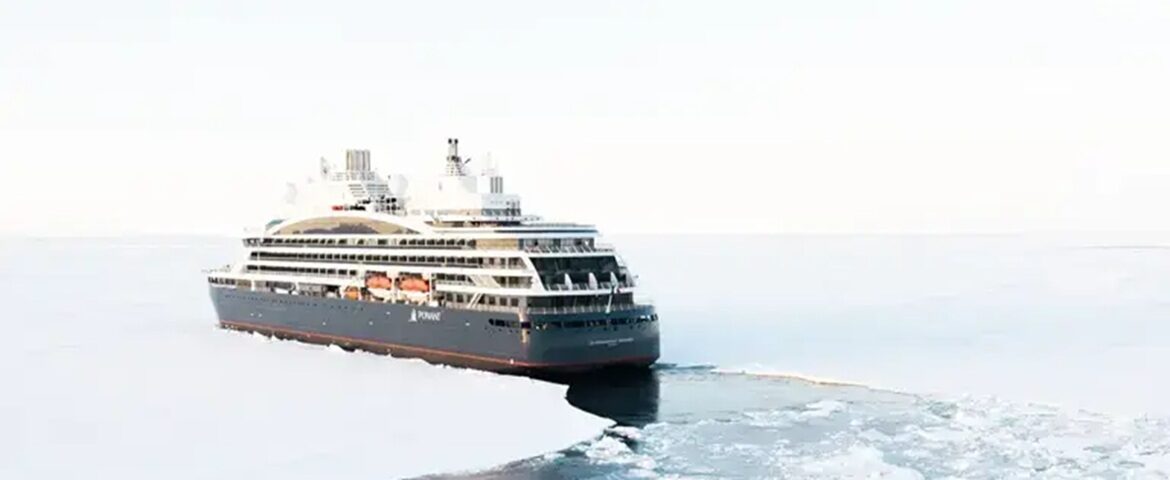
Leaving Luleå, the ship threads its way between the islands for a long time before reaching open water. What remains of the day is an impression of clarity: the red wood of the church town, water shining everywhere, a welcoming North that doesn't try to impress. That is precisely what makes it so endearing.

Frequently Asked Questions

At the town quays, at the very head of the Gulf of Bothnia, on a peninsula surrounded by a maze of islands. This is Norrbotten, Sweden’s northernmost province, about a hundred kilometres from the Arctic Circle. The centre is an easy walk from the waterfront.
It is the excursion not to miss, ten kilometres from the centre: more than 400 red wooden cottages packed around a late-medieval stone church. These cottages were never homes — parishioners from distant farms slept in them for Sunday services and major feasts, when the round trip could not be made in a day.
Because it is the best-preserved church town in the world. The system existed across northern Scandinavia; Gammelstad remains the most complete example, with its grassy lanes and numbered shuttered doors. A visitor centre tells the story and runs guided tours in summer.
Because the land is rising. Founded at Gammelstad in 1621, it relocated in 1649 to its present site: released from the weight of the glaciers, the ground here rises almost a centimetre a year and the old harbour was becoming too shallow for ships. The town followed the sea.
Gammelstad first — that is the essential piece — then the centre: the pedestrian Storgatan, the red-brick neo-Gothic cathedral, a few old wooden houses that survived the nineteenth-century fires. The heart of town takes about fifteen minutes to cross, which leaves ample room for both.
Yes: Teknikens Hus, an interactive science centre devoted to northern technologies, from mining to space. It is the ideal fallback in poor weather and the natural complement to a morning in the church town.
One of Sweden’s best-kept secrets: more than 1,300 brackish-water islands, almost deserted, frequented mainly by seals and summer cabins. Some calls offer boat trips out to these flat islets covered in pine and blueberry. The sailing is peaceful, with next to no swell.
Almost. At the head of the Gulf of Bothnia the great rivers dilute the Baltic so much that the water tastes sweet — a curiosity that surprises passengers used to salt seas. It is also what gives the archipelago its particular character.
Summer. The sun lingers late into the night and golden light stays on the waterfront façades, boat trips operate and Gammelstad guided tours are available. At this latitude, outside the season, daylight shortens very fast.
Norrbotten specialities: Arctic char, chanterelles, small local cheeses and cardamom buns. The cafés on Storgatan and the waterfront tables serve them as the seasons allow.