Florida Islands Solomon Islands, Roderick Bay
Solomon Islands

Florida Islands | Cruise Port Guide

In Roderick Bay, a white ocean liner has been listing on its side since the year 2000, half swallowed by vegetation. The World Discoverer, an expedition ship that struck an uncharted reef, was deliberately run aground there by her captain to save her passengers. This shipwreck turned landmark sums up the place: the Florida Islands, at the heart of the Solomons, remain a world where navigation still carries an element of adventure.

An Anchorage in Sandfly Passage

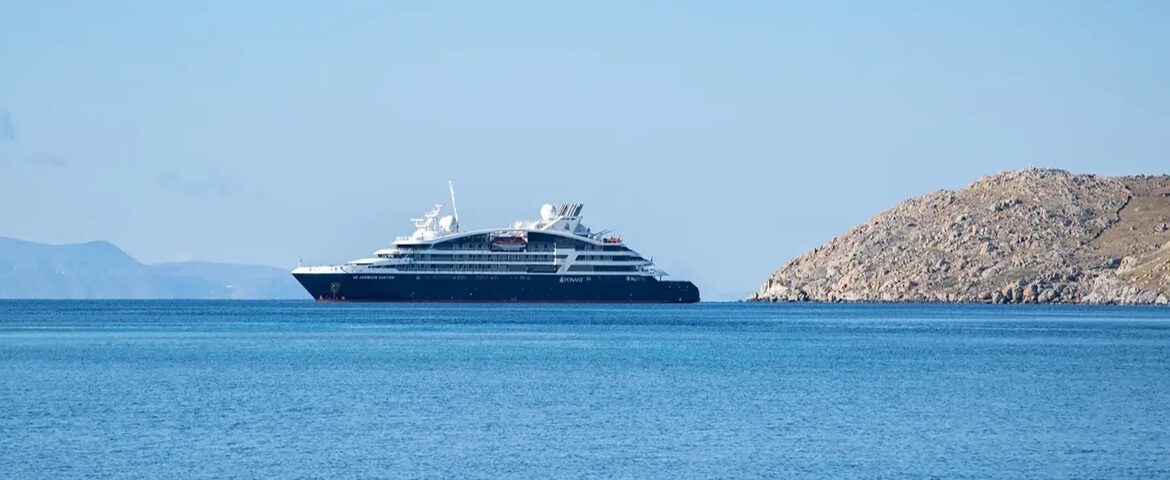
The Florida Islands — known locally as Nggela — form a small archipelago north of Guadalcanal, separated from it by a channel steeped in history. Expedition ships anchor in Roderick Bay, sheltered by Sandfly Passage, and bring passengers ashore by zodiac onto a pale sand beach where tall trees reach right down to the water. The welcome is immediate: children's canoes gathering around the boats, singing, and handicraft stalls set up in the shade.

The Wreck of the World Discoverer

It's impossible to miss the silhouette, tilted at 46 degrees, dominating the head of the bay. On April 30, 2000, the World Discoverer struck a reef in the channel; her captain steered her toward Roderick Bay and gently beached her there, giving everyone time to evacuate safely. A quarter century later, rust and vines have turned her into a curiosity, photographed from the zodiac or approached by experienced swimmers with mask and snorkel, following the ship's guidelines: the structure itself is off-limits.

Coral and Underwater Gardens

The anchorage offers one of the best snorkelling sites in the entire archipelago. Coral walls drop away close to the beach, home to clownfish, giant clams, electric-blue starfish, and clouds of fusiliers. The warm, generally calm water also suits casual swimmers well. Between swims, a guided walk through the nearby village reveals houses on stilts, subsistence gardens, and wooden churches, a legacy of 19th-century missions.

Waters Steeped in History

South of the archipelago, the small island of Tulagi served as the capital of the British Solomon Islands Protectorate before the Second World War. In 1942, its capture by the Japanese and the subsequent American counteroffensive opened the Guadalcanal campaign; the nearby channel, where dozens of sunken ships still lie, earned the nickname Iron Bottom Sound. Some itineraries combine Roderick Bay with a visit to these sites of memory, complete with plaques and rusted cannons.

Local families have grown accustomed to these visits and organize them with touching care: hand-painted welcome signs, woven palm-frond umbrellas set up on the beach, demonstrations of carving and basket weaving. No electricity, no shops: exchanges happen simply, and proceeds from sales go directly toward the school and the village's needs.

Worth Packing

  • Solomon Islands dollars or small American bills for handicrafts: carvings, basketry, shell necklaces.
  • Mask and snorkel, often provided by the ship; water shoes are useful.
  • Insect repellent and long sleeves toward the end of the day.
  • Ask permission before photographing residents, a gesture always appreciated.

By evening, as the ship makes its way back out through Sandfly Passage, the white wreck disappears behind the point and the village returns to its life without piers or schedules. What remains is the memory of extraordinarily clear water, songs of welcome, and a thought that stays with passengers long after: in the Solomons, the sea still calls the shots, and people learn to work with it. The World Discoverer, patient in her bay, is there to remind every passing ship of that.

Frequently Asked Questions

In Roderick Bay, sheltered behind Sandfly Passage. There is no pier: passengers land by Zodiac on a pale sand beach where tall trees run down to the water.
The World Discoverer, an expedition ship that struck an uncharted reef on 30 April 2000. Her captain steered her into the bay and grounded her gently so everyone could be evacuated safely. The hull still lists there, half swallowed by vegetation.
No. The structure is off limits. You photograph it from the Zodiac, and confident swimmers approach it with mask and snorkel, following the ship's instructions.
Yes, it is one of the best snorkel sites in the archipelago. Coral drop-offs start close to the beach, alive with clownfish, giant clams, electric-blue starfish and clouds of fusiliers. The water stays warm and usually calm.
The welcome is immediate: children's canoes around the tenders, singing, craft stalls set up in the shade. Families paint welcome signs by hand and weave palm-frond parasols on the beach.
Wood carvings, basketry and shell necklaces, sold directly by residents. Bring Solomon Islands dollars or small US notes: there is no bank machine and no card terminal.
A small archipelago north of Guadalcanal, known locally as Nggela. The stretch of water separating them from Guadalcanal is Iron Bottom Sound, where dozens of ships sunk in 1942 and 1943 still lie.
Yes, a guided walk leads to the nearby village: stilt houses, food gardens and timber churches left by 19th-century missions. There is no electricity and no shop, and craft sales fund the school.
Yes, and the gesture is always appreciated. It is the single most useful courtesy of the call, especially with children and in the village.
Mask and snorkel, often supplied by the ship, water shoes, insect repellent and long sleeves for late afternoon. There are no facilities ashore: everything comes off the ship with you.