La Digue Island Seychelles La Passe

21 Cruises availables At departure or passage at this port

Emerald Waterways (21 Cruises)

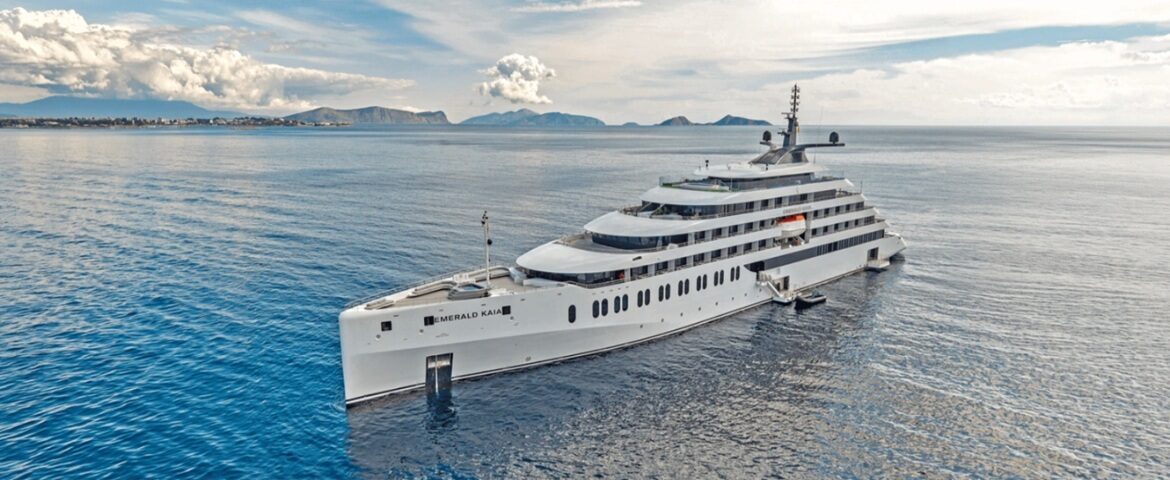
Emerald Kaia.

Emerald Kaia

Visit the ship's page

La Digue, Seychelles | Cruise Port Guide

Dozens of bicycles wait at the end of the La Passe jetty. It's the first clue to what sets La Digue apart from the rest of the Seychelles: here, almost everything is done on two wheels, at the pace of an ox cart or on foot. Ships drop anchor offshore, since the small landing can only take tenders, and this gentle arrival is a good introduction to an island that lives at its own pace, beneath frangipani trees and leaning coconut palms.

La Passe, a Seaside Village

Passengers come ashore in the heart of the village, among fishers' lockers, fruit stalls and the shops lining the main street. You'll hear Seychellois Creole singing from one shop to the next, and schoolchildren in uniform slip between the visitors. Renting a bicycle takes five minutes; then all that's left is to choose a direction. The southern road, flat and shaded, is the one most passengers follow, and it leads in a quarter of an hour of easy pedalling to the old L'Union plantation.

L'Union Estate, the Island's Creole Memory

This estate brings together what La Digue was for two centuries: a colonial house set among the palms, a mill where copra was pressed, vanilla drying sheds and paths where plantation life still lingers. The stop helps you understand the economy that supported the island's families long before the arrival of travellers. It is also the gateway to the most famous beach in the Seychelles, whose entrance lies at the far end of the estate.

Anse Source d'Argent, Rocks Turned Icons

You recognize it at first glance: its granite boulders sculpted by erosion, set on pale sand, are among the most photographed landscapes in the world. The water stays shallow, held back by the reef, and you go from one cove to the next by skirting the rocks, often in knee-deep water. Coming early changes everything: before the midday crowds, the low light and the silence give the place an almost unreal quality. Patient photographers wait for the moment when a ray of sunlight shines through the palms and sets the pink granite ablaze.

La Veuve Forest

On the way back to the village, a detour to the La Veuve Nature Reserve is a must, a patch of forest that protects one of the rarest birds in the Indian Ocean: the Seychelles paradise flycatcher, which locals call the "veuve" (widow). The flat trails can be explored on foot or by riding slowly, and you'll need to look up into the branches of the takamaka trees in hopes of spotting the male, recognizable by its long black tail feathers.

Planning Your Hours Ashore

Route from the jettyMeansApproximate time
L'Union EstateBicycleA quarter of an hour
Anse Source d'ArgentBicycle, then on foot20 to 25 min
La Veuve ReserveBicycle10 min
Tour of La Passe villageOn footHalf an hour

Distances are short, but the heat doesn't let up: water, a hat and sandals that don't mind sand make better companions than closed shoes. Wearing a swimsuit under your clothes saves you from looking for a changing room when the turquoise water becomes irresistible.

When it's time to return the bike, more than one passenger hesitates at the jetty, as if hoping to win a few more minutes. La Digue has that effect: an unhurried island where granite, palms and sandy paths create a complete world in just a few square kilometres. The tender heads back to the ship, and you already catch yourself counting how many days, not hours, it would take to truly explore it.

Frequently Asked Questions

It doesn't. Ships anchor offshore and the small La Passe jetty takes tenders only. You land in the middle of the village, among the fishermen's crates and fruit stalls.
Mostly by bicycle. Rental takes five minutes at the end of the jetty. Otherwise it is on foot or by ox cart: the island runs almost without cars, which sets it apart from the rest of the Seychelles.
About fifteen minutes by bicycle along a flat, shaded road heading south. The beach entrance is at the far end of L'Union Estate, which you cross to get there.
For its wind-and-water-sculpted granite boulders set on pale sand: it is one of the most photographed beaches on earth. The water stays shallow behind the reef, and you wade from cove to cove around the rocks.
Early morning. Before the midday crowds, low light sets the pink granite alight and the beach is almost silent. Early afternoon is noticeably busier.
A former plantation open to visitors: colonial house, copra mill, vanilla drying racks. It is also the way through to Anse Source d'Argent, whose entrance sits at the back of the property.
Yes, in the Veuve Nature Reserve on the way back to the village. It protects the Seychelles paradise flycatcher, known locally as the veuve: look up into the takamaka branches for the male's long black tail feathers.
Very good, if the child can ride a bike. Distances are short, the southern road is flat and the water at Anse Source d'Argent stays shallow. Bike trailers are available for younger ones.
Water, a hat, sandals that tolerate sand, and swimwear under your clothes, since changing rooms are not always at hand when the water becomes irresistible. The heat does not let up all day.
The Seychellois rupee. Bike rentals and small shops prefer cash, so carry small notes. Seychellois Creole, French and English are all spoken.