Cousin Island Seychelles Baie Sainte Anne

20 Cruises availables At departure or passage at this port

Emerald Waterways (20 Cruises)

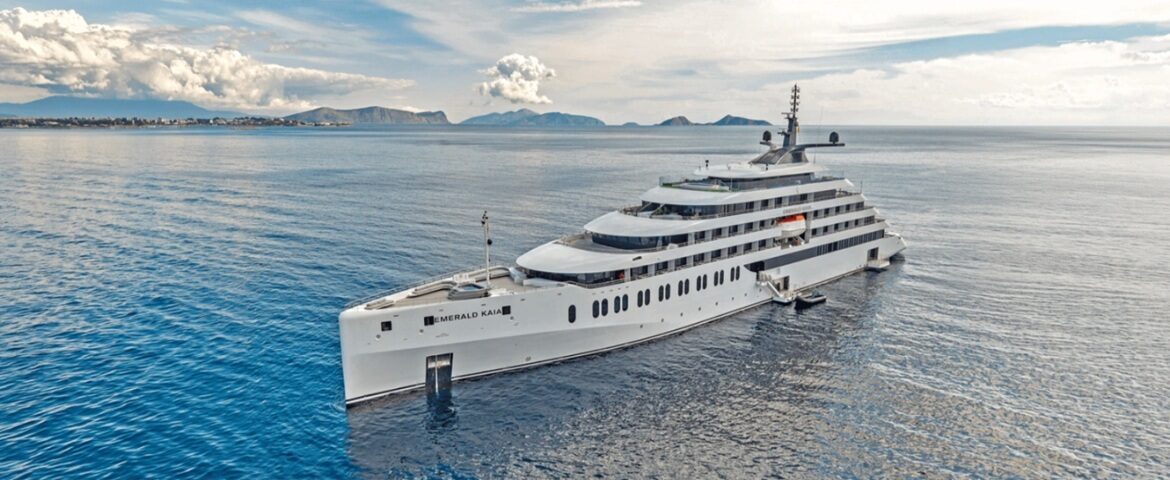
Emerald Kaia.

Emerald Kaia

Visit the ship's page

Cousin Island, Seychelles | Cruise Port Guide

The bow touches sand gently, a wave pushes the hull, and there you are landed in naturalist fashion: feet in warm water, facing a beach where no jetty disturbs the shoreline's line. Cousin, a tiny granitic island set 2 kilometres offshore from Praslin, allows itself to be approached only thus. For more than half a century, it has belonged to the birds, the turtles and those who protect them.

An Island Returned to Nature

In 1968, the International Council for Bird Preservation, now BirdLife International, purchases the entire island to save one of the last refuges of the Seychelles warbler, then on the brink of extinction. The refuge becomes thus the world's first island reserve acquired by an international organization. The former coconut plantation has since recovered its original forest, and the little warbler, it does well: you will hear it sing in the branches throughout the visit.

Three Hundred Thousand Wing Beats

The reserve welcomes approximately 300,000 seabirds. White-tailed tropicbirds nest on bare ground, among the roots, steps from the trail. Noddies and terns occupy the trees, petrels dig their burrows, and the magpie-robin of the Seychelles, reintroduced here, hops without fear before visitors. The reserve's guides, who accompany each group for about 90 minutes, know the current nests and tell the conservation story with infectious passion. Giant tortoises from Aldabra sometimes cross the trail, imperturbable.

The Shore of Hawksbills

Cousin is also the most important nesting site for the hawksbill turtle across the entire western Indian Ocean. Depending on season, the broad tracks left in the sand testify to nocturnal ascents, and it happens that egg-laying occurs in full daylight, under visitors' eyes held at respectful distance. The beach, for its part, remains exactly as it was before humanity's arrival in the archipelago: clear sand, weathered granite rocks, and the sea.

A Short and Supervised Visit

The island is discovered only by guided visit, weekday mornings, between 9:45 a.m. and 12:30 p.m. The circuit forms an easy loop through the forest and along the shore; good sandals suffice. Budget for water, a hat and camera within reach: opportunities present themselves without warning. Expedition ships organize the transhipment, with that landing on the beach that is part of the pleasure. There is no shop or café: you come here to observe, photograph and understand.

Why Are the Visits So Short?

Everything here is designed to limit disturbance. Groups remain restricted, schedules concentrate on mornings, and visit receipts directly fund the reserve's surveillance and scientific programmes. Visitors become thus, without particular effort, conservation contributors: a formula of which Cousin was pioneer and which today inspires reserves around the world.

The Essentials at a Glance

ElementDetail
AccessLanding on bare sand, no jetty
Location2 km from Praslin
VisitGuided, about 90 minutes, weekday mornings
To observeSeabirds, Seychelles warbler, giant tortoises, hawksbill nesting site
ServicesNo commerce on the island

Leaving the Island

As you climb back into the boat, you cast a last look toward the forest from which rises the cry of the terns. Cousin proves that an entire island can be returned to its first inhabitants, and that half a century suffices to repair much. You leave with your photographs, of course, but above all with a new idea of what "protecting" means.

Frequently Asked Questions

Nowhere: there is no pier. The ship anchors offshore and passengers land by Zodiac straight onto the beach, wading ashore. Cousin lies about 2 km off Praslin.
No. Access is by guided walk only, with a reserve warden, on weekday mornings roughly between 9:45 a.m. and 12:30 p.m. Independent wandering is not allowed.
About 90 minutes of guided walking, a loop through the forest and along the shore. With the Zodiac transfer, plan on half a day.
Birds, above all: the reserve holds roughly 300,000 seabirds. White-tailed tropicbirds nest on the ground, along with noddies, terns and shearwaters, plus the Seychelles warbler and the Seychelles magpie-robin. Aldabra giant tortoises sometimes cross the path.
Because the whole island was bought in 1968 by the International Council for Bird Preservation, now BirdLife International, to save the Seychelles warbler. It was the first island reserve in the world acquired by an international organization.
Yes, depending on the season. Cousin is the most important hawksbill turtle nesting site in the western Indian Ocean. Tracks in the sand are common, and nesting sometimes happens in broad daylight, watched from a respectful distance.
None at all. No shop, no café, no terrace. Bring water, a hat and sturdy sandals, and carry your waste back out with you.
Yes, provided the child walks unaided and stays on the path. The loop is flat and short, but birds nest on the ground within a step of your feet, so nobody leaves the trail.
No, swimming is not part of the visit. The beach is used for landings and turtle nesting, and shore time is tightly managed.
The Seychellois rupee elsewhere in the archipelago, but nothing to pay here since there are no shops. Seychellois Creole, French and English are spoken; reserve wardens guide mainly in English.