Aride Island Seychelles La Cour

20 Cruises availables At departure or passage at this port

Emerald Waterways (20 Cruises)

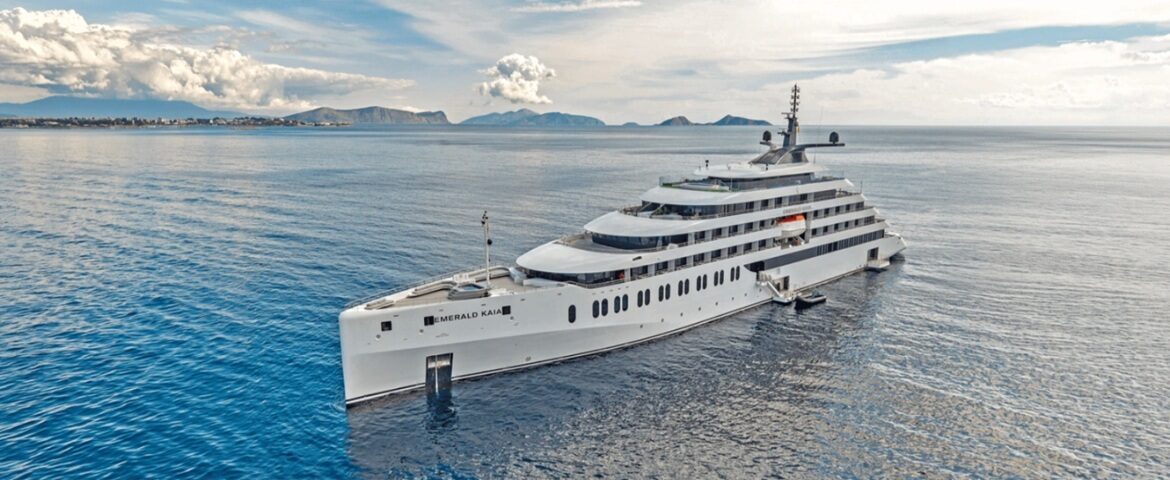
Emerald Kaia.

Emerald Kaia

Visit the ship's page

Aride Island, Seychelles | Cruise Port Guide

You hear Aride before you really see it. As the boat draws closer, a shifting cloud takes shape above the ridge: tens of thousands of seabirds wheeling through the sky, their calls soon drowning out the sound of the engine. The northernmost of the granitic Seychelles measures just 1.6 kilometres long, yet it holds one of the largest concentrations of seabirds anywhere in the Indian Ocean. More than a million of them come here to nest.

An Arrival You Have to Earn

There's no dock here. Landing happens straight on the beach, aboard a small boat that the island's wardens steer carefully through the breaking waves. Depending on the swell, the arrival can be a bit of an adventure, and feet often end up in the warm water. That little rite of passage sets the tone: Aride is a fully protected nature reserve, managed by a conservation organization, with no hotel, no road and no shop. Only the wardens and a few scientists live there. The island actually owes its revival to a chocolate maker: in 1973, the British philanthropist Christopher Cadbury bought it and placed it under conservation, putting an end to a long history as a working coconut plantation. Since then, the original vegetation has been steadily reclaiming the island, and its bird colonies have kept growing. Hawksbill turtles, for their part, come ashore to nest on the beach in season.

The Realm of the Seabirds

The visit takes place with a reserve guide, along shaded trails that climb toward the ridge. Sooty terns, noddies, red-tailed tropicbirds and frigatebirds share the branches and ledges; the island's colonies of roseate terns and lesser noddies rank among the largest in the world. During nesting season, birds sometimes sit incubating eggs just a metre from the trail, unbothered by visitors. Depending on the month, sooty terns arrive by the hundreds of thousands, their noise carrying out to sea, while other, quieter species like the tropical shearwater nest beneath the granite boulders. On the ground, lizards dart off by the dozen: their density here is among the highest anywhere on the planet.

A One-of-a-Kind Flora

The plant life has its own rarity to offer: Wright's gardenia, a shrub with white flowers speckled with purple, grows wild nowhere else on Earth but this island. Guides are happy to point it out, along with the young forests replanted since the old coconut plantation gave way to the original native vegetation. From the viewpoint on the ridge, the view stretches out over Praslin and the neighbouring islands, set against a gradient of blues.

Planning Your Visit

  • The island is visited on a guided excursion of about two hours, usually departing from Praslin, about ten kilometres away.
  • Landings depend on sea conditions and mainly take place from October to May, during the northwest monsoon.
  • No services on the island: bring water, a hat and shoes that can handle salt water.
  • Nothing may be picked and nothing taken away; the sanctuary's rules are strict, and the guides enforce them with a smile.

The trip back is often a quiet one. Behind the boat, the cloud of wings re-forms above the ridge as though the visit had never happened. That may be the real lesson of Aride: a world that predates humans still carries on just offshore from the hotel beaches, and it only takes one slightly rough morning at sea to reach it. Few ports of call leave such a vivid impression for so short a distance travelled.

Frequently Asked Questions

Straight onto the beach, in a light boat the island's wardens work through the surf. There is no pier. Depending on the swell the arrival can be lively, and your feet usually end up in warm water.
Its birds. The northernmost of the granitic Seychelles is only 1.6 kilometres long, yet more than a million seabirds nest there: one of the greatest concentrations in the entire Indian Ocean.
Sooty terns, noddies, red-tailed tropicbirds and frigatebirds share the branches and ledges. The colonies of roseate terns and lesser noddies are among the largest in the world, and the tropical shearwater nests under the granite boulders.
No. Visits happen with a reserve guide, along shaded trails that climb toward the ridge. Aride is a strict nature reserve with no hotel, road or shop: only the wardens and a few scientists live there.
A chocolate maker. In 1973 Britain's Christopher Cadbury bought it and handed it to conservation, ending a long history as a working coconut plantation. Since then the original vegetation has been regaining ground and the colonies have kept growing.
A shrub with white flowers speckled purple that grows wild only on Aride Island. Guides are happy to point it out, along with the young forests replanted since the coconut plantation ended.
Not at all. In nesting season they sometimes brood a metre from the path, indifferent to visitors. So stay on the trail and watch where you step: some nests are on the ground.
Yes, in nesting season: hawksbill turtles come to lay their eggs on the beach. On the ground it is the lizards that surprise most, at a density among the highest on the planet.
For children who can walk and who like birds, yes. The surf landing and the climb to the ridge do call for confidence, though; with young children, check the day's conditions with the expedition team.
Shoes that can get wet, a hat, sunscreen, water and binoculars. Nothing can be bought on the island, and the noise of the colonies makes earplugs useful for sensitive ears.