Flores Island Azores Portugal

1 Cruises availables At departure or passage at this port

Flores Island Azores | Portugal Atlantic Cruise Destination Guide

There is a place where Europe comes to an end. Flores, the westernmost of the Azores, marks the last landfall before the vastness of the North Atlantic. Its name comes from the flowers that cover it, and the description isn't overstated: blue hydrangea hedges lining the roads, meadows in saturated green, cliffs streaked with waterfalls. Ships that call here offer their passengers a rare pause, far from any well-worn tourist route.

An Arrival Set to the Ocean's Rhythm

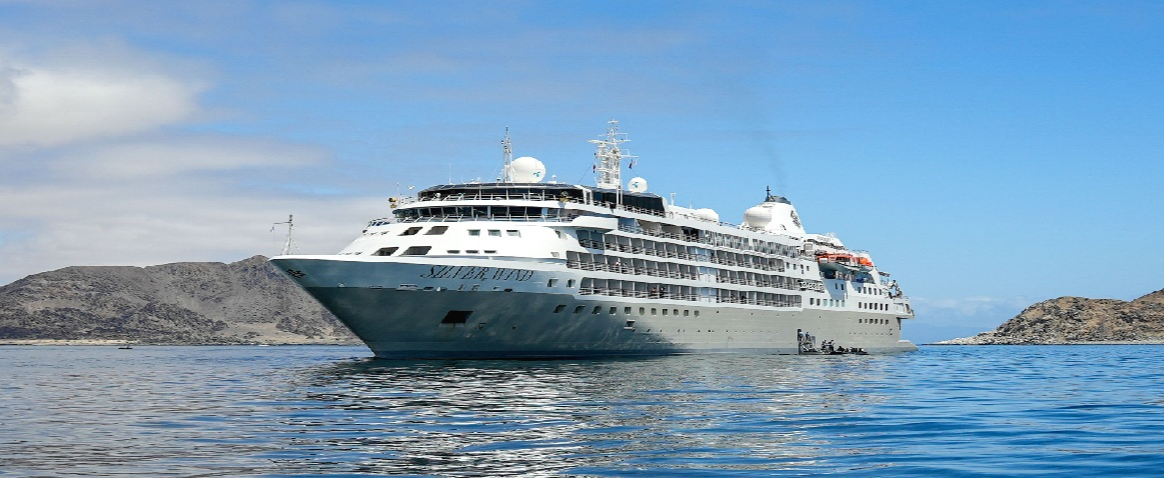
The stop here retains a hint of adventure: ships anchor off Lajes das Flores and bring passengers ashore by tender, since the small harbour's pier was destroyed by a hurricane in October 2019. Getting ashore therefore depends on the ocean's mood, which only adds to the island's character. Once on land, Lajes unfolds its white houses with dark stone trim, its church overlooking the cove, and that particular silence found in inhabited places at the edge of the world.

Waterfalls by the Dozen

The island's star attraction lies on the opposite coast, in the village of Fajã Grande. The Poço do Bacalhau receives a 90-metre waterfall that drops in a single unbroken column into a dark pool, at the foot of a wall draped in greenery. A trail lined with lava stones leads there, passing old water mills along the way. Nearby, the Alagoinha site, also known as Poço da Ribeira do Ferreiro, lines up several ribbons of water sliding down a moss-covered cliff before gathering into a single pool: a natural green amphitheatre reached on foot, one that many travellers rank among their finest memories of the Atlantic.

The Crater Plateau

The island's interior holds another surprise. On the central plateau, excursions stop before the twin lakes of Caldeira Funda and Caldeira Rasa, then near Caldeira Negra and Caldeira Comprida, flooded craters whose waters shift between black and blue depending on the light. The road passes placid cows, basalt stone walls, and patches of mist that drift through quickly. Further south, near Fajãzinha, the Rocha dos Bordões rises in basalt columns: more than two hundred stone pillars standing 20 to 30 metres tall, one of the most striking natural landmarks in the archipelago.

An Island That Sets Its Own Pace

This is not a place for improvising: the distances are modest, but the roads wind, and transportation options are limited to a handful of minibuses and local guides. An organized excursion is the safest way here to reach the waterfalls and craters within the time available. Walkers who prefer to stay close to Lajes will find plenty to fill their hours: the village's narrow streets, viewpoints over the cove, unhurried conversations with locals, and birdwatching for the patient. Whichever you choose, it's best to accept from the start that you won't see it all: the island is best savoured in fragments, like a book too rich to take in in a single reading.

The Feeling of the Edge of the World

Heading back to the ship, one thing becomes clear: you've just set foot on ground very few travellers will ever see. West of Flores, there is nothing but ocean all the way to the American continent. That quiet privilege, having touched the last stone of flowering Europe, stays with those who return to sea, and it takes only a chance hydrangea somewhere else in the world to bring the green island rushing back.

Frequently Asked Questions

It doesn't dock: ships anchor off Lajes das Flores and bring passengers ashore by tender. The small harbour's jetty was destroyed by a hurricane in October 2019, so landing depends on sea conditions and can be cancelled if the swell picks up.
Yes. The village starts a few minutes' walk from the landing: white houses with dark stone frames, a church overlooking the cove, viewpoints over the anchorage. Everything else on the island, however, requires a vehicle.
Focus on two sites. The Poço do Bacalhau waterfall and the Alagoinha site, at Fajã Grande on the opposite coast, are the classic pair; the crater plateau, with the Funda, Rasa, Negra and Comprida calderas, is the other. Trying to do everything in one call means spending the day in a minibus.
The Poço do Bacalhau, near Fajã Grande: a 90-metre fall dropping in a single jet into a dark pool at the foot of a green-draped cliff. A lava-stone path leads there past old water mills.
It's the safest choice. Distances are short, but the roads wind and transport is limited to a few minibuses and local guides. Without a booking, there is a real chance of being stuck in Lajes with no vehicle available.
A natural monument of basalt columns near Fajãzinha: more than two hundred stone pillars, 20 to 30 metres high, formed as lava cooled. It is one of the most striking formations in the entire Azores archipelago.
The euro. Cards work in restaurants and most shops in Lajes, but Flores is a small island: keep cash for village cafés, independent guides and remote spots.
Portuguese. English is understood in tourism and among excursion guides; French is rare. A few words of Portuguese are warmly received in the villages.
June through September, when the sea is calmest and tender landings are least likely to be cancelled. The blue hydrangeas peak in June and July. Even in summer, expect rain and mist: that is what keeps the waterfalls running.
With reservations. The tender landing, the winding roads and the slippery paths to the waterfalls suit toddlers poorly. School-age children, on the other hand, love the craters and the falls. Bring closed shoes and a raincoat.