Conflict Islands, Papua New Guinea | Cruise Port Guide

The name promises war, the setting delivers the opposite. Conflict Islands owe their name to HMS Conflict, a British survey ship that charted the archipelago in 1886. Twenty-one coral islets form an almost perfect ring around a lagoon in the Solomon Sea, in Milne Bay Province, Papua New Guinea. The place counts among the planet's richest reefs, and it welcomes scarcely anyone but cruise-ship passengers.

An Anchorage in the Lagoon

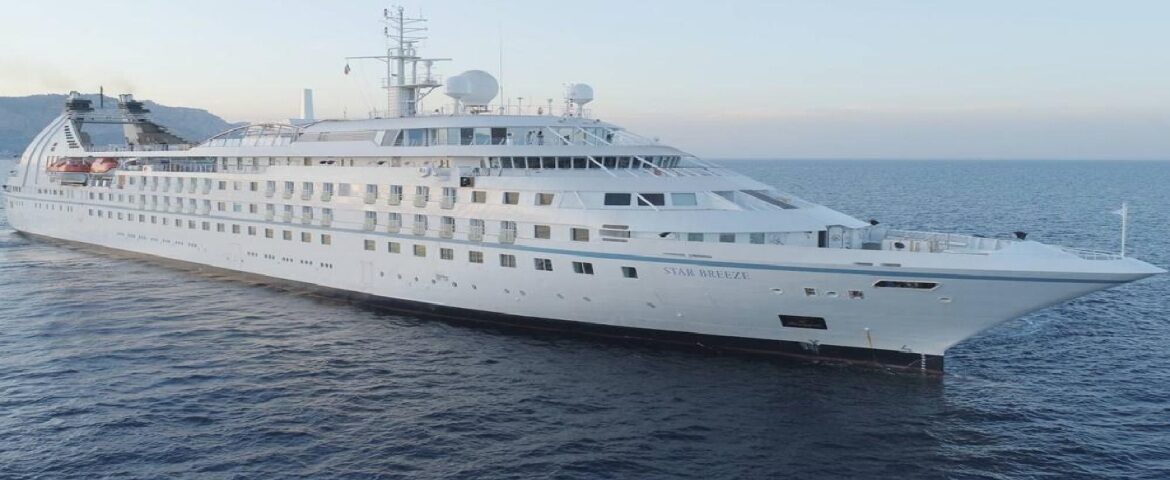
No dock exists in the archipelago. Ships drop anchor in the lagoon's sheltered waters and tenders deposit passengers in about fifteen minutes on Panasesa, the main island prepared for visitors. The landing sets the day's tone: clear sand, coconut palms, water graduated from turquoise to deep blue, and a handful of discreet facilities blended into the vegetation. Plan for water shoes, hat and sunscreen; shade exists, but Pacific sun is unforgiving. The archipelago belongs to a private owner who has made conservation the place's mission.

The Reef: The True Star

Here, the essentials happen beneath the surface. Mask and snorkel suffice to fly over coral gardens a few fathoms from the beach, clownfish in anemones, giant clams with iridescent mantles, clouds of damselfish and parrotfish. Guided snorkelling and scuba outings lead toward the outer walls, where visibility often measures in tens of metres. Instructors adapt the sorties to each level, from first fin strokes to more engaged explorations. Kayaks and stand-up paddleboards round out the toolkit for exploring the water without getting wet, at least in principle.

Sea Turtles Returning to the Sea

Panasesa shelters the Conflict Islands Conservation Initiative, whose most touching project concerns sea turtles. Eggs laid on beaches exposed to poaching are transferred to a hatchery, and young hawksbill and green sea turtles grow there sheltered before being released. Depending on the schedule, passengers witness feeding, visit the pools or take part in a sea release, a moment that draws applause for every small carapace gaining the waves. Guides explain too the reef surveillance and species census conducted on-site. Passenger donations fund part of these programmes.

ActivityPractical Detail
Tender transitAbout 15 minutes between ship and Panasesa
Free snorkellingDirectly from the beach
Guided outings and scubaBooking aboard recommended
Turtle hatcheryVisit according to the day's schedule

A Day at the Reef's Pace

Between swims, island life unfolds without rush, loungers under palms, fresh coconuts, handicraft from neighbouring communities come by boat for the occasion. A walk around the island takes scarcely more than an hour, feet in water, with hermit crabs the only traffic crossing the path. Some prefer simply to sit in the shade and watch the tide redraw the sand banks. Photographers watch the pass, where afternoon light sets the coral heads ablaze.

When tenders bring back the last swimmers, the lagoon regains its calm and the archipelago becomes what it is almost always: a ring of sand and coral set upon the Solomon Sea, with no sound but the breakers. Conflict Islands leave this paradoxical memory, a warlike name attached to one of the most peaceful days a Pacific cruise can offer.

Frequently Asked Questions

Nowhere: there is no wharf in the archipelago. Ships anchor inside the lagoon and tenders land passengers on Panasesa, the main island, in about fifteen minutes.
From HMS Conflict, the British survey vessel that charted the group in 1886. Nothing to do with a battle: this is one of the most peaceful days a Pacific cruise can offer.
Snorkelling, mainly. The reef starts a few strokes off the beach and guided trips reach the outer drop-offs. Kayaks, paddleboards and shade under the palms fill the rest of the day.
No. Mask and snorkel are enough to see clownfish, giant clams and coral gardens straight from shore. Instructors adapt outings to every level, including complete beginners.
Yes. Panasesa runs a hatchery where eggs are protected from poaching. Depending on the schedule, passengers watch a feeding, visit the tanks or take part in a release.
A little over an hour, ankle-deep in water. The only traffic is the hermit crabs crossing the path.
Water shoes, a hat, sunscreen and something to cover up with. There is shade under the palms, but the Pacific sun is unforgiving.
None. The archipelago is privately owned and dedicated to conservation: no village, no shop, no bank. The crafts sold on site arrive by boat from neighbouring communities.
Very much so, if they like water: the lagoon is calm and shallow near shore. That said, anyone who tires quickly of a beach will have nothing else to do.
May to October, the dry season, when underwater visibility is best and the sea easiest for tender operations.