Port of Koror, Palau | Cruise Port Guide

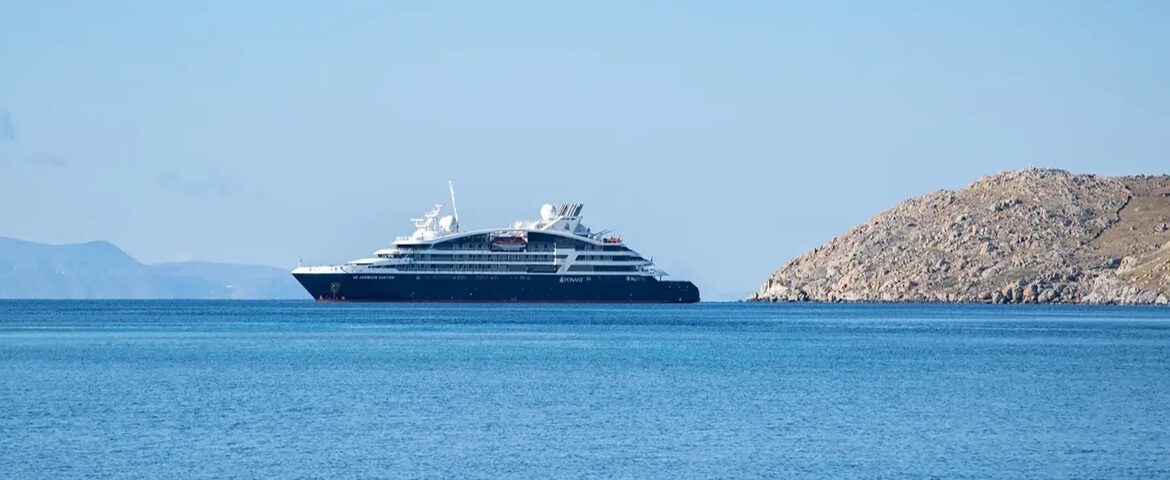
On maps, Palau is just a speck of islands lost between the Philippines and New Guinea. From a ship's deck, it's another story: hundreds of jungle-topped limestone domes set on a lagoon whose greens and blues seem invented. Ships anchor in the sheltered Malakal harbour, near Koror, the country's main town, and tenders drop passengers off a few minutes from the docks. The whole port call revolves around something Palauans understood before anyone else: here, the sea is the monument, and it is protected as such.

The Rock Islands, a Limestone Labyrinth

To the south begins the maze of the Rock Islands, more than two hundred mushroom-shaped islets undercut at the base by the waves, listed as a UNESCO World Heritage Site. Excursion boats weave between grey cliffs and beaches reachable only by boat. You cut the engine in enclosed coves where the water reaches an unreal clarity; you land on a sandbar for a picnic in the shade; you swim over coral gardens frequented by turtles and schools of parrotfish. The silence between swims, barely broken by seabirds, is part of the journey. Kayakers, meanwhile, glide through tunnels of clear water beneath limestone arches, at turtle level. A whole day can go by here without you noticing the time.

Beneath the Surface

Divers from around the world rank Palau among the very top underwater destinations on the planet. German Channel, cut during the German colonial era to ship phosphate out of the lagoon, now draws manta rays that come to be cleaned by small fish; the nearby drop-offs plunge into the blue, laden with sea fans and anemones. No tanks are needed to get your share: snorkelling over the reefs is enough to fill your memories for years. The famous Jellyfish Lake, where millions of harmless golden jellyfish drift in the sunlight, can be visited when the authorities open it, depending on the state of the population of these fragile creatures; check on board before promising anything to the kids.

Koror, a Pocket-Sized Capital

Between outings at sea, the little capital deserves a stroll. The Belau National Museum, the oldest in Micronesia, and the Etpison Museum display stone money, outrigger canoes and clan stories; the traditional meeting houses with painted gables tell of an island society organized long before the arrival of Europeans. Waterfront restaurants serve marinated raw tuna, grilled fish and taro in every form, with the harbour and its islets as a backdrop. Craft shops offer storyboards, carved wooden panels that tell clan legends, the archipelago's signature souvenir. Everything can be explored at a leisurely pace: the country has fewer residents than a single Montréal borough.

Planning Your Day in Palau

  • Anchorage in Malakal harbour; tender transfer to town.
  • Rock Islands and snorkelling sites: boat excursions to book early.
  • Jellyfish Lake: opening varies, permit required, check on board.
  • Currency: US dollar; oxybenzone-free sunscreen required by local law.

At departure, the ship slips out of the lagoon through narrow passes, and the green domes file past the hull one last time. Palau leaves a physical memory as much as a visual one: salt on your skin, warm water, the silence between two fin kicks. Long afterward, you only have to close your eyes to dive back in.

Frequently Asked Questions

By tender. Ships anchor in the sheltered Malakal harbour near Koror, the country's main town, and boats land passengers minutes from the quays.
Between the Philippines and New Guinea, in the western Pacific. From the deck, the archipelago appears as hundreds of limestone domes capped with jungle, set on a lagoon of improbable greens and blues.
A maze of more than two hundred mushroom-shaped islets, undercut at the base by the waves, listed as UNESCO World Heritage. Excursion boats thread between grey walls and beaches reachable only by sea, into coves where the water reaches an unreal clarity.
A single boat trip to the Rock Islands, with snorkelling and a stop on a sandbar. That is what defines the call. If you prefer to stay ashore, Koror's museums and a waterfront stroll easily fill half a day.
Only when the authorities open it, depending on the state of the population of these fragile creatures, and with a permit. Check on board before promising anything to children: closures are frequent and access is never guaranteed.
No. Divers worldwide rank the archipelago among the planet's finest underwater territories, but snorkelling over the reefs is enough to fill the memory for years: turtles, schools of parrotfish, coral gardens.
A channel cut during the German colonial era to move phosphate out of the lagoon, now a renowned dive site: manta rays come to be cleaned by small fish, and the neighbouring walls drop into the blue laden with sea fans and anemones.
The Belau National Museum, the oldest in Micronesia, and the Etpison Museum, displaying stone money, outrigger canoes and clan histories. Traditional meeting houses with painted gables tell of an island society organized long before Europeans arrived. The country has fewer residents than a Montréal borough — everything is unhurried.
The US dollar. One regulatory detail matters: local law requires oxybenzone-free sunscreen to protect the corals. Buy it before you travel, as it is not available everywhere.
Marinated raw tuna, grilled fish and taro in every form, at waterfront restaurants with the harbour and its islets as backdrop. Craft shops sell storyboards, carved wooden panels recounting clan legends.