Hjorundfjord Norway, Urke-Saebo
Norway
18
Cruises availables
At departure or passage at this port
Hurtigruten (18 Cruises)
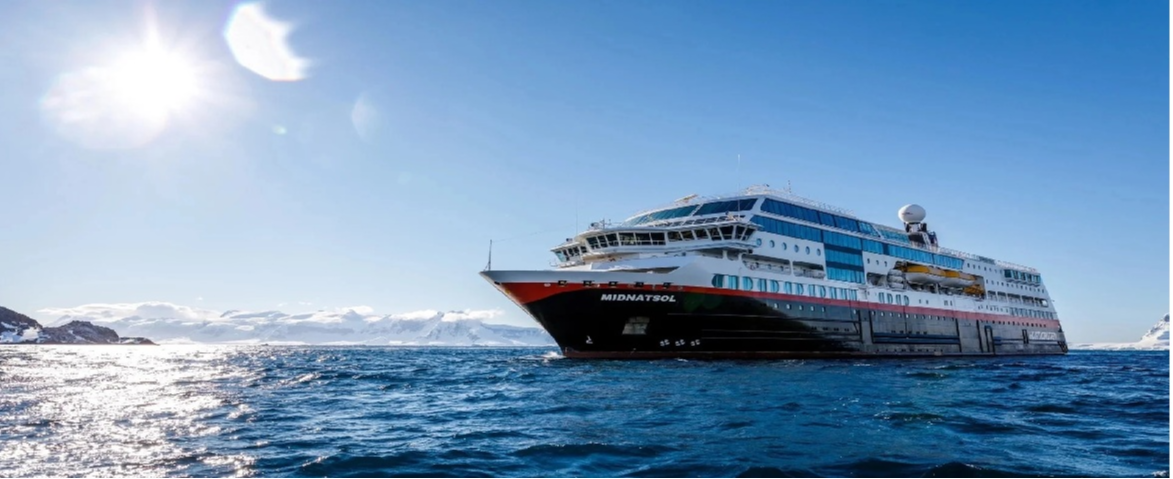
MS Midnatsol
9 Cruises

| 17 May | 15 days | Round-trip from Bergen, Norway |
450-628-6241
Call us
|
| 31 May | 15 days | Round-trip from Bergen, Norway |
450-628-6241
Call us
|
| 14 June | 15 days | Round-trip from Bergen, Norway |
450-628-6241
Call us
|
| 28 June | 15 days | Round-trip from Bergen, Norway |
450-628-6241
Call us
|
| 12 July | 15 days | Round-trip from Bergen, Norway |
450-628-6241
Call us
|
| 26 July | 15 days | Round-trip from Bergen, Norway |
450-628-6241
Call us
|
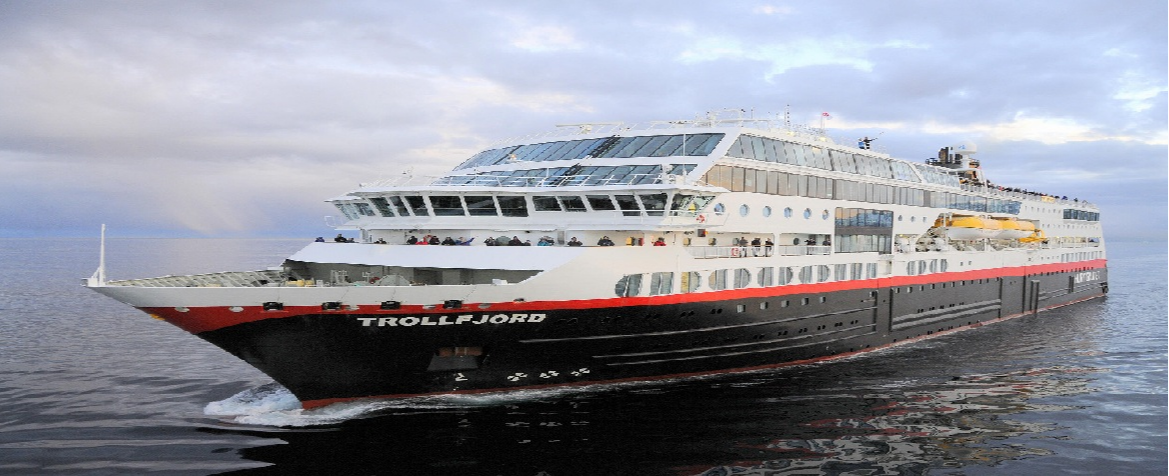
MS Trollfjord
9 Cruises
| 10 May | 15 days | Round-trip from Bergen, Norway |
450-628-6241
Call us
|
| 24 May | 15 days | Round-trip from Bergen, Norway |
450-628-6241
Call us
|
| 7 June | 15 days | Round-trip from Bergen, Norway |
450-628-6241
Call us
|
| 21 June | 15 days | Round-trip from Bergen, Norway |
450-628-6241
Call us
|

Hjørundfjord, Norway | Cruise Port Guide
Frequently Asked Questions
Off Urke or Sæbø: there is no cruise pier. Tenders set passengers ashore into a silence broken only by waterfalls and sheep.
Cutting 35 km into the Sunnmøre Alps, south of Ålesund. Its walls rise in a single sweep above 1,500 m, over tiny hamlets and almost no tourist infrastructure.
Urke has a few dozen residents, a landing stage, a cafe in the old general store and farms scattered up the hillside. Sæbø, opposite, lines up its school, its church and its coloured houses at the foot of Mount Skårasalen.
No, and it is worth knowing before you go ashore: no souvenir shops, no lines of coaches. Businesses can be counted on one hand. Bring a snack and decent shoes.
The classic excursion up the Norangsdalen, with the stop at Øye, takes up most of the time. Otherwise, walking the shore roads, the marked trails up to the summer pastures and a coffee facing the rock walls are more than enough.
One of the narrowest valleys in Norway. The road threads between grey stone walls, passes mountain-pasture huts and reaches Lake Lyngstøylvatnet, formed in 1908 when a rockslide dammed the river.
In calm water you can still make out the low walls and foundations of a farm drowned in 1908. Few thirty-minute drives pack in so much geological drama.
A hotel opened in 1891 at the head of the Norangsfjord arm, where crowned heads, writers and golden-age mountaineers passed through, among them Kaiser Wilhelm II, Queen Maud and Karen Blixen. Velvet lounges, sepia photographs and creaking staircases make it a living museum of the belle-époque of fjord tourism.
Yes, marked trails climb to the summer pastures, with views that must be earned. All around, the peaks that built Sunnmøre's climbing reputation close the horizon, led by Slogen, the perfect pyramid prized by 19th-century British climbers.
No. This is a call without a programme, and that is the point: you walk with no particular destination, sit on a wooden quay, watch the light come down the rock walls. Cruisers who dread that apparent emptiness often find it was the destination.


