Farsund Norway
Norway

42 Cruises availables At departure or passage at this port

Seabourn Cruise Line (42 Cruises)

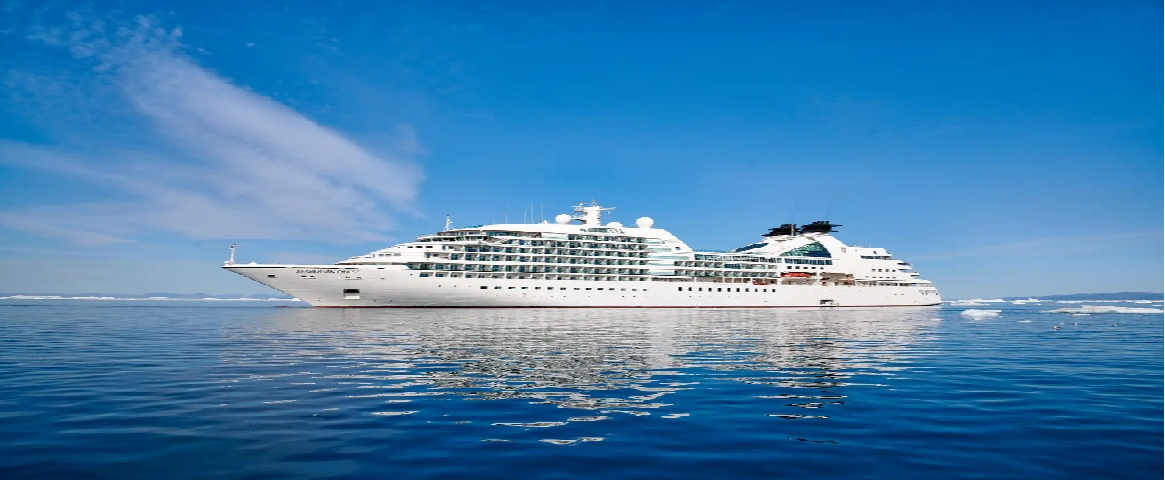
Seabourn Quest.

Seabourn Quest

32000 tons
Visit the ship's page

Port of Farsund, Norway | Cruise Port Guide

The white wooden houses of Farsund climb in tiers from the harbour, packed so closely together they seem to keep each other warm against the southern wind. This is the southernmost tip of Norway, on the Lista peninsula, in a small town whose deep-water dock brings ships within about a ten-minute walk of the centre. Few Norwegian stops offer such a direct step into local life.

A Town of Privateers

Farsund grew up in the eighteenth century around the activities of the Lund family, shipowners and merchants who turned this anchorage into a busy trading port. During the Napoleonic Wars, the port made a name for itself in privateering: its corsairs seized British ships cruising offshore. Every summer, the Kaperdagene, the "Privateer Days," bring this episode back to life with costumed events in the streets. From that turbulent era survive the patrician homes of the centre, including Husan, the Lund family residence turned town hall, one of the largest wooden buildings in southern Norway. The surrounding lanes invite an aimless stroll, past shops, cafés, and neatly kept gardens.

Lista, a Land of Wind and Sand

The stop's real surprise lies to the west: the neighbouring peninsula, a flat, windswept, luminous landscape that calls Denmark to mind more than Norway's fjord country. Pale sandy beaches stretch for kilometres here, Lomsesanden and Havika rank among the longest in the country, bordered by dunes and meadows where sheep graze. Norwegian surfers have made this their home turf, thick wetsuits required.

At the end of the plain, the Lista Lighthouse marks the southwestern corner of Norway. Its granite tower, built in 1836, watches over a wetland frequented by tens of thousands of migratory birds; the bird observation centre at its base documents the seasonal comings and goings. Climbing the lighthouse steps, feeling the wind pick up as you rise, then taking in with a single glance the meeting point of the North Sea and the Skagerrak, that's a moment that stays with you.

Traces of the War

The German occupation left behind, across these low-lying lands, one of the best-preserved sets of fortifications in Norway. The Festung Lista hangar, a former aircraft shelter, now houses a large museum devoted to that period, with vehicles, equipment, and accounts from the years 1940 to 1945. Not far away, Nordberg Fort still overlooks the coastal plain in its original state. These sites lend the outing an unexpected historical weight amid such a peaceful setting.

An American Accent

A local peculiarity: between the 1950s and 1970s, hundreds of families from the region emigrated to the United States, and many later returned. The neighbouring town of Vanse keeps that legacy alive with American-style street names, an old-fashioned general store, and an annual festival where vintage Chevrolets parade between Norwegian farms. It's a charming detail, but it tells a very real story of back-and-forth journeys between two worlds.

Tips for the Stop

  • Downtown Farsund can be explored on foot from the dock; allow an hour for wandering.
  • The lighthouse is about a 20-minute drive away; organized excursion or taxi recommended.
  • The beaches are enjoyable for walking in any weather; the wind blows almost constantly.
  • In summer, the long days make it easy to combine the town, the lighthouse, and the museum without rushing.

Farsund plays on two registers: the gentleness of a white Sørlandet town and the raw power of a coastline exposed to the wind. Between the two, passengers can shape their day however they like. And as the ship departs, it's often the light of the west coast, that sea-washed clarity, that lingers longest in memory.

Frequently Asked Questions

At the deepwater quay, about a ten-minute walk from the centre. Few Norwegian calls land you so directly in local life: the white wooden houses climb in tiers from the harbour.
Because during the Napoleonic wars the port made its name in privateering: its corsairs seized British ships passing offshore. Every summer the Kaperdagene, the privateer days, bring the episode back to life in costume through the streets.
The residence of the Lund family, shipowners and merchants who built the town in the 18th century, now the town hall. It is one of the largest wooden buildings in the south of the country, at the heart of a centre of patrician houses.
Allow an hour strolling the centre on foot, then the excursion to the Lista peninsula: lighthouse, beaches and fortifications. In summer the long days let you combine town, lighthouse and museum without rushing.
A flat, windswept, luminous landscape closer to Denmark than to fjord Norway: kilometres of pale sand beaches, with Lomsesanden and Havika among the largest in the country, edged by dunes and sheep pasture.
Yes. Its granite tower, raised in 1836, marks the southwest corner of Norway and lies about 20 minutes away by road, on an excursion or by taxi. You climb the steps, the wind strengthens as you rise, and the view takes in the meeting of the North Sea and the Skagerrak.
Yes, at the foot of the Lista lighthouse: the wetland hosts tens of thousands of migratory birds and an ornithological centre documents the seasonal passages.
One of the best preserved sets of fortifications in Norway. The Festung Lista hangar, a former aircraft shelter, houses a large museum on the period with vehicles, equipment and accounts from 1940-1945. The Nordberg fort overlooks the coastal plain in its original state.
Between the 1950s and 1970s hundreds of local families emigrated to the United States, and many came back. The nearby village of Vanse keeps that heritage alive with American street names, an old-style general store and an annual festival where vintage Chevrolets parade between Norwegian farms.
Yes, especially for Lista: the wind there is almost constant, which is what drew Norwegian surfers, thick wetsuits required. The beaches can be walked in any weather, but rarely in shelter.