Middelburg Netherlands Zeeland
94
Cruises availables
At departure or passage at this port
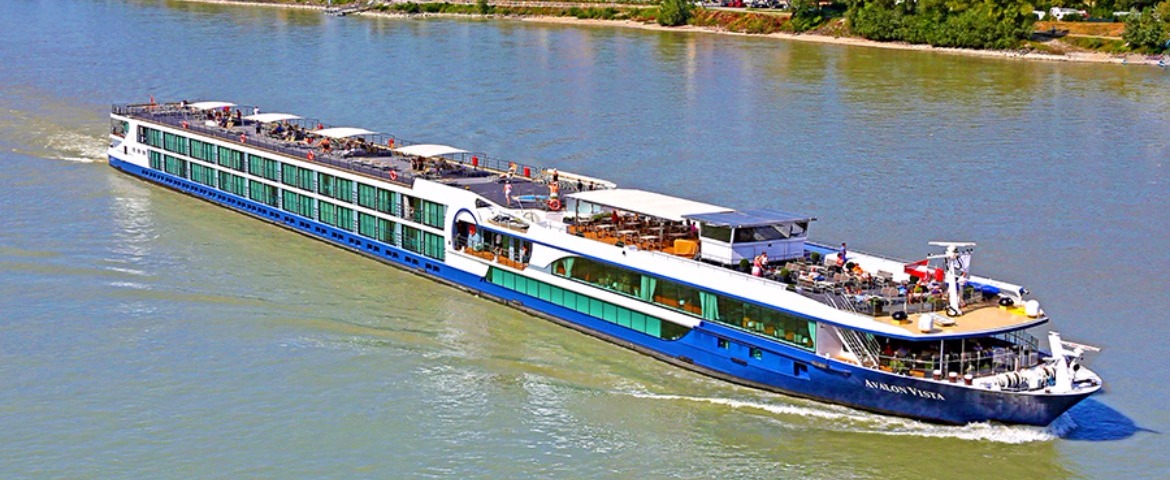
Avalon Waterways (36 Cruises)
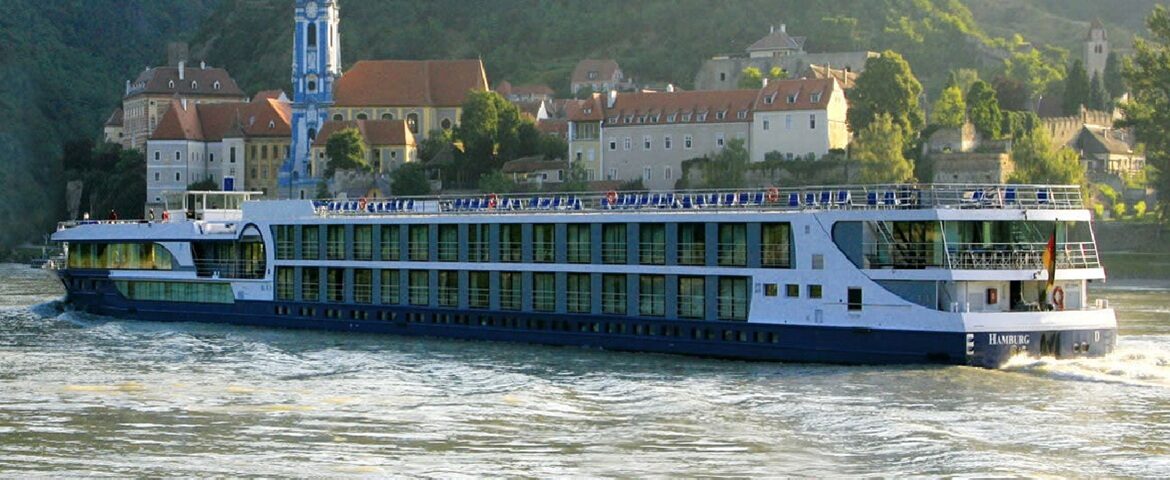
Avalon Imagery II®
8 Cruises

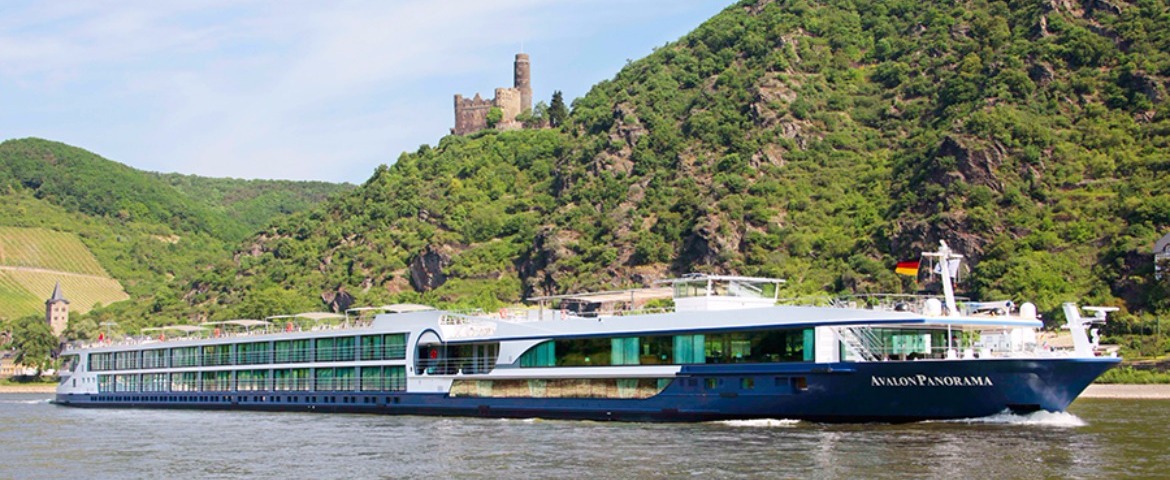
Avalon PanoramaSM
10 Cruises
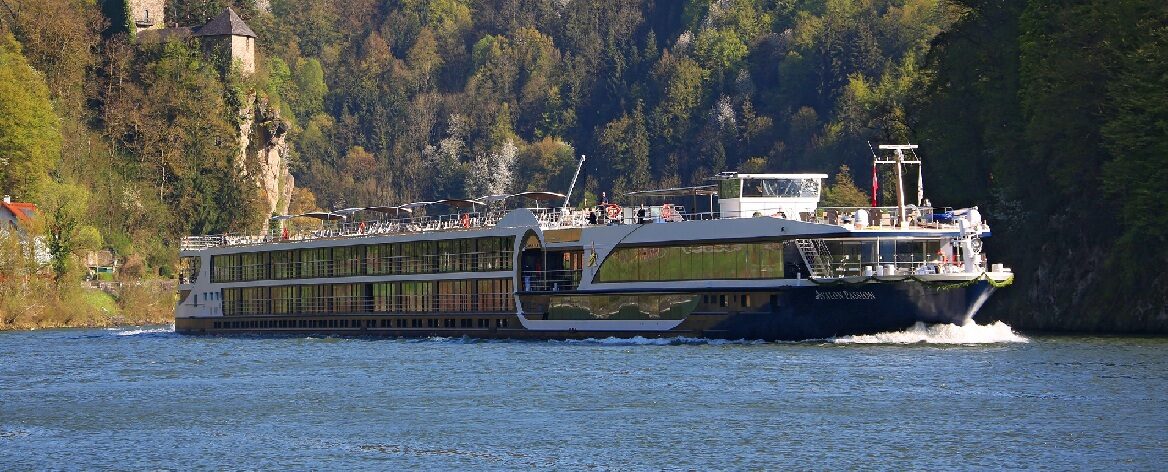
Avalon Passion®
10 Cruises
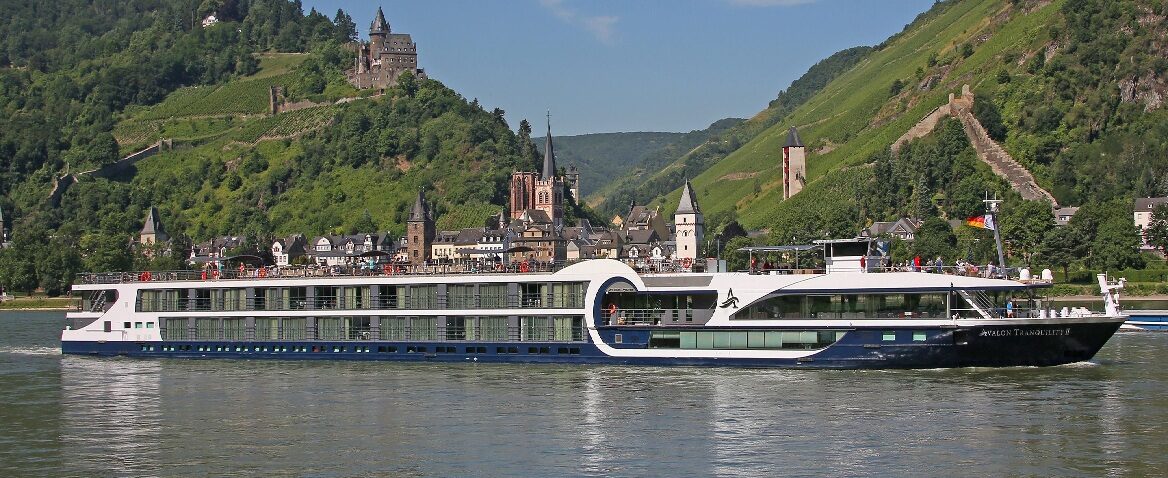
Avalon Tranquility II®
6 Cruises
Viking River Cruises (58 Cruises)
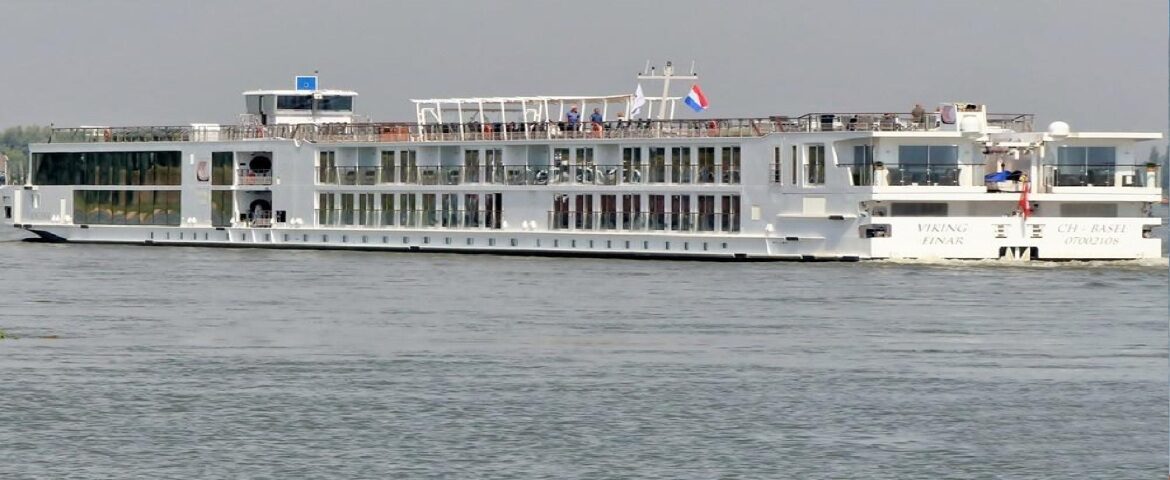
Viking Einar
10 Cruises

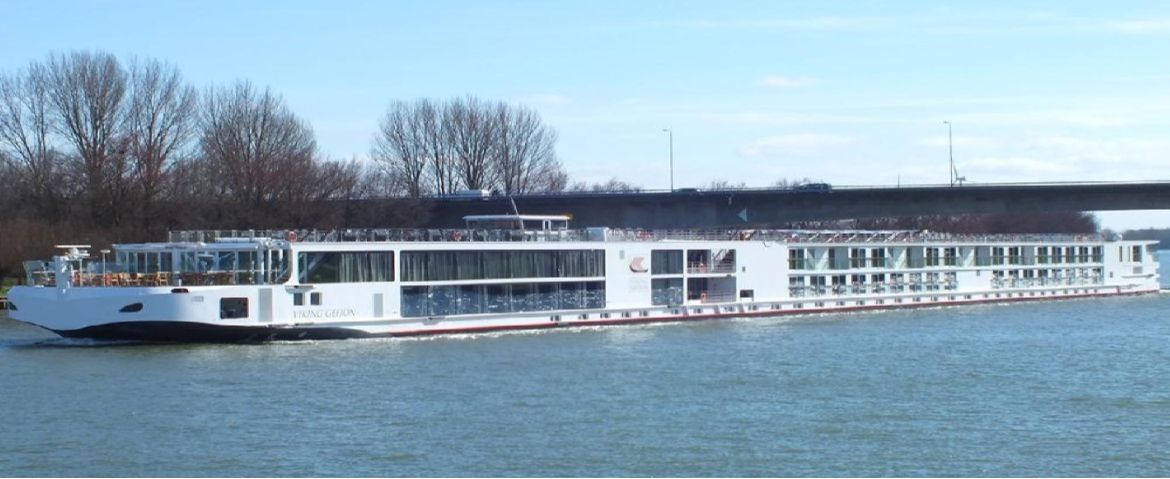
Viking Longship Gefjon
20 Cruises
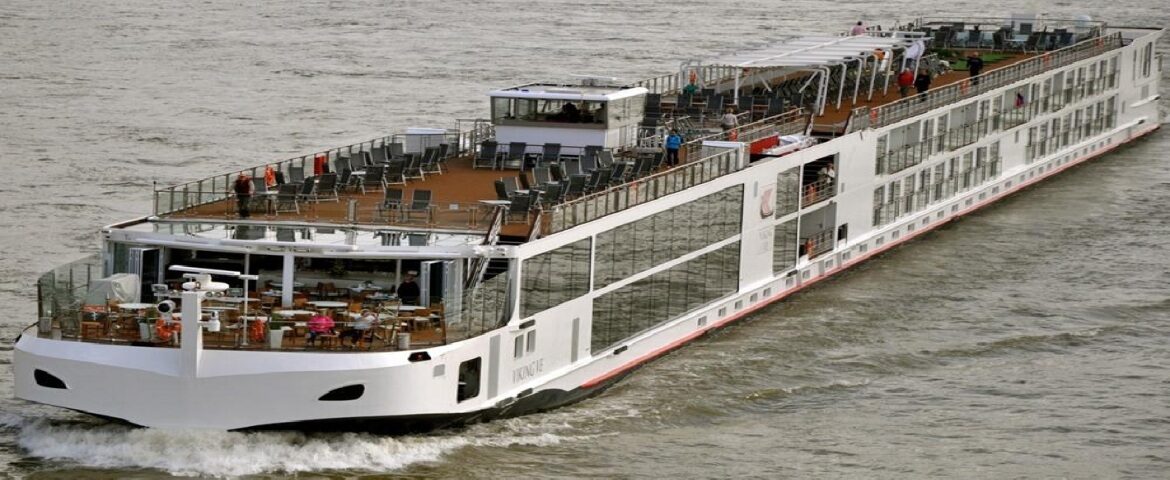
Viking Longships Ve
20 Cruises
| 25 March | 10 days | Round-trip from Amsterdam, Netherlands |
450-628-6241
Call us
|
| 25 March | 9 days | Round-trip Tulips Windmills |
450-628-6241
Call us
|
| 23 March | 10 days | Round-trip from Amsterdam, Netherlands |
450-628-6241
Call us
|
| 23 March | 9 days | Round-trip Tulips Windmills |
450-628-6241
Call us
|
Viking Sigrun
8 Cruises
| 23 March | 10 days | Round-trip from Amsterdam, Netherlands |
450-628-6241
Call us
|
| 23 March | 9 days | Round-trip Tulips Windmills |
450-628-6241
Call us
|

Middelburg, Netherlands | Cruise Port Guide
Frequently Asked Questions
Near the historic heart, which is reached on foot. The Zeeland capital is walked from canal to canal: more than 1,100 listed buildings are concentrated in its old centre.
The 90.5-metre steeple that locals nicknamed Long John. You spot it well before the quays, and it is what your steps naturally follow. Its staircase leads to a panorama over the roofs, the surrounding polders and, on a clear day, the North Sea.
A complex of courtyards, cloisters and churches founded in the twelfth century by Norbertine monks, around which the town grew. You enter through stone porches into surprisingly peaceful inner squares; the Zeeland museum there shows regional costume and history.
Yes, the town was one of its home ports. The Company's old building still stands near the water, alongside the domed Oostkerk and the Kloveniersdoelen, historic seat of the civic guard.
Along the Reigerstraatje lane and then the cobbled Kuiperspoort passage. There you cross a Golden Age setting that has survived almost intact, between restored warehouses and patrician houses. It is the most photogenic corner of the town.
Yes. A cruise of about 45 minutes runs the inner canals, with commentary on the days when those waterways carried goods from the Indies. The landing stage is near the central quays, easy to find by following the banks.
The town hall, with a Gothic façade bristling with turrets and statues, evidence of the wealth maritime trade already brought in the fifteenth century. Terraces spread at its feet, and on market days the stalls offer cheese, fish and flowers.
Half a day covers the abbey, the Lange Jan climb, the main square and a wander through Kuiperspoort. The canal cruise adds a welcome hour in the middle of all that walking.
The details up high: a gilded weathervane, a carved date, a coat of arms, and the façade stones that record old trades from cooper to cloth merchant. The town rewards those who look up.
No. The abbey bells still mark the day and the canals still reflect the gables, but contemporary life has slipped into the setting without spoiling it: bookshops, independent stores, full terraces and cyclists everywhere.


