Lemmer Netherlands Friesland
14
Cruises availables
At departure or passage at this port
CroisiEurope (14 Cruises)
MS Lafayette
12 Cruises


| 26 May | 5 days | Round-trip Cruise on the IJsselmeer, one of Hollands treasures |
450-628-6241
Call us
|
| 26 May | 6 days | Round-trip from Amsterdam, Netherlands |
450-628-6241
Call us
|
| 22 June | 5 days | Round-trip Cruise on the IJsselmeer, one of Hollands treasures |
450-628-6241
Call us
|
| 22 June | 6 days | Round-trip from Amsterdam, Netherlands |
450-628-6241
Call us
|
| 19 July | 5 days | Round-trip Cruise on the IJsselmeer, one of Hollands treasures |
450-628-6241
Call us
|
| 19 July | 6 days | Round-trip from Amsterdam, Netherlands |
450-628-6241
Call us
|
| 15 August | 5 days | Round-trip Cruise on the IJsselmeer, one of Hollands treasures |
450-628-6241
Call us
|
| 15 August | 6 days | Round-trip from Amsterdam, Netherlands |
450-628-6241
Call us
|
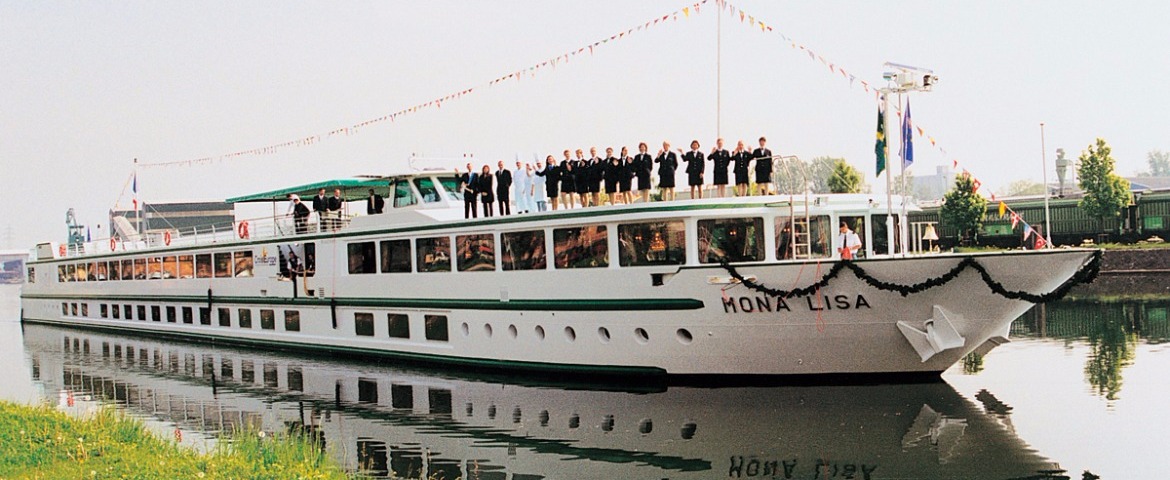


Port of Lemmer, Netherlands | Cruise Port Guide
Frequently Asked Questions
On the edge of the IJsselmeer, in this Frisian town set between the Frisian lakes and the open water. Ships moor near the centre, which can be walked in an easy hour.
It belongs to the Woudagemaal, the largest steam pumping station ever built and the only one of that power still in working order anywhere. Sixty metres of brick above the meadows with no factory around it — the town's first mystery for arriving passengers.
Yes. Commissioned in 1920 and inscribed on the UNESCO World Heritage list in 1998, it is visited with an introductory film and volunteer guides. Inside stand four paired steam engines driving eight pumps, beneath a roof structure inspired by the Amsterdam School.
Yes. When the waters rise, the boilers are relit and the monument goes back to work: it can move more than 4,000 cubic metres of water a minute. This is not a frozen museum piece but a standby installation still in service.
The Lemstersluis, the historic lock that cuts the centre in two. Yachts and motor cruisers pass literally between the terraces, at coffee-cup height. In high summer dozens of boats can go through in a single hour.
A flat-bottomed sailing craft with leeboards, designed at Lemmer in the nineteenth century for fishing the shallow Zuiderzee. Now a classic yacht, it races in closely followed regattas, and several are often moored in the harbour.
Herring and smoked eel, inherited from the old Zuiderzee ports and eaten standing up in front of the masts. The brown cafés along the quay — Dutch bars with dark woodwork — also serve the local beer.
Yes, a municipal beach on the IJsselmeer where Frisian families swim in summer. It is a lake beach, with no waves and no tide: simple, popular and well kept.
It claims its own language, Frisian, its own sporting traditions and a quiet pride that comes through in every conversation. Lemmer is an unpretentious gateway to it: a town that lives on water, with water, and sometimes against it.
Three to four hours is enough: an hour for the old streets and the lock, a good hour for the Woudagemaal with a guided visit, and the rest on a terrace or cycling the dykes. This is not a call with a crowded programme, and that is entirely the point.


