Vientiane Laos
Laos
61
Cruises availables
At departure or passage at this port
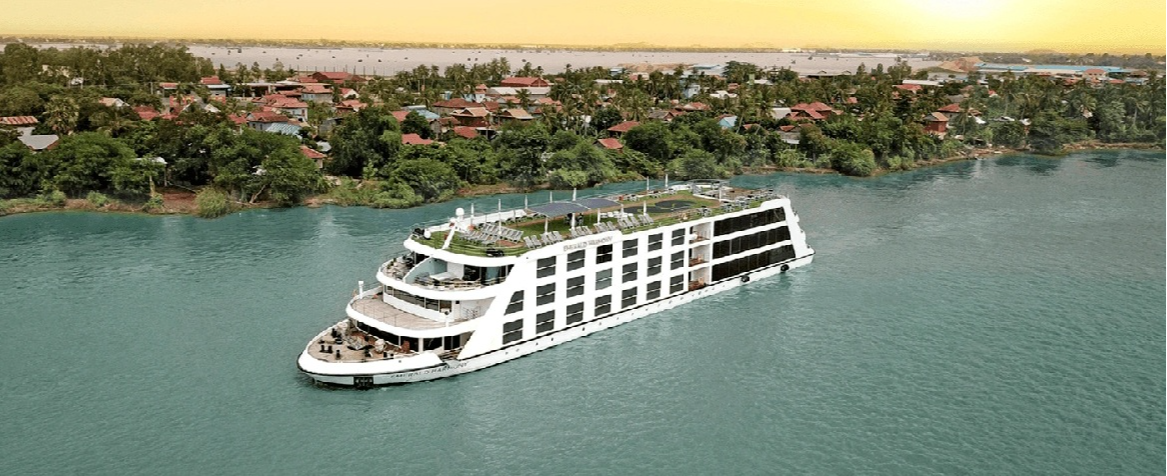
Emerald Waterways (28 Cruises)
Emerald Harmony
14 Cruises

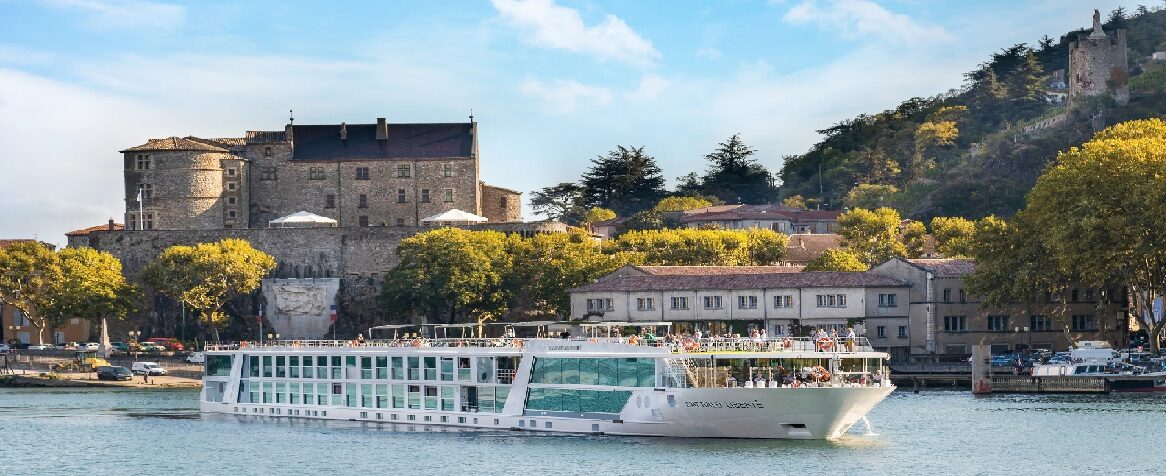
Emerald Liberte
14 Cruises
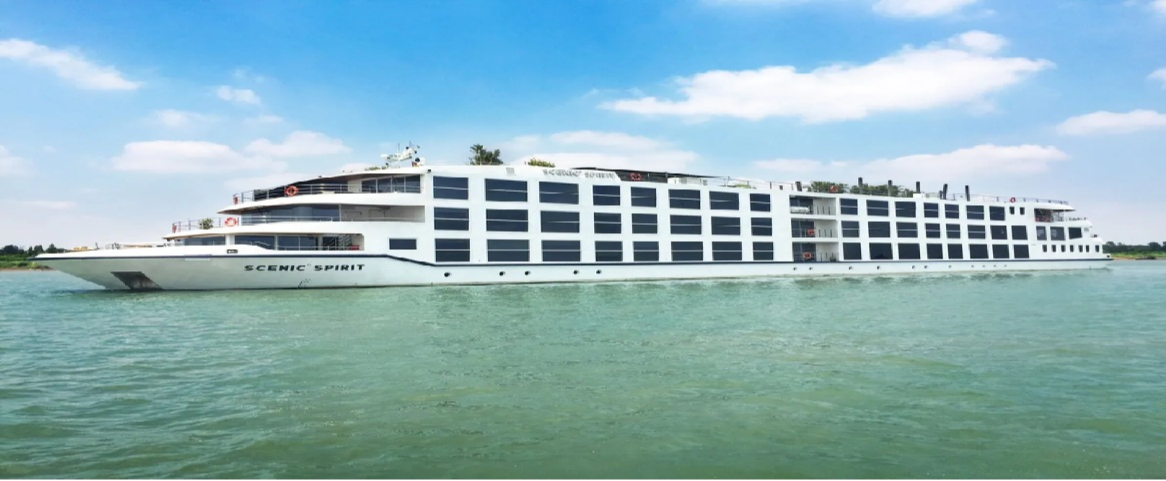
Scenic Cruises (33 Cruises)
Scenic Spirit
33 Cruises

| 15 January | 27 days | One-way from Hanoi to Laem Chabang |
450-628-6241
Call us
|
| 24 January | 18 days | One-way from Saigon to Laem Chabang |
450-628-6241
Call us
|
| 14 April | 22 days | One-way from Hanoi to Saigon |
450-628-6241
Call us
|
| 14 April | 23 days | One-way from Hanoi to Saigon |
450-628-6241
Call us
|
Port of Vientiane | Cruise Port Guide
Frequently Asked Questions
Against the bank, depending on the Mekong's water level, a short distance from the centre. A few minutes take you from the gangway to the first lanes. As everywhere on the Mekong, the exact mooring point shifts with the season and the draft.
Largely, yes. Fa Ngum quay, Chao Anouvong park, Wat Sisaket and Haw Phra Kaew link up easily on foot. For Patuxai and especially Pha That Luang, further out, a tuk-tuk makes more sense. Few capitals in the world feel this calm: you move around without any jostling.
Wat Sisaket and Haw Phra Kaew first, as they face each other and are visited together. Then Patuxai up Lane Xang avenue, and Pha That Luang to finish. The Xieng Khuan Buddha Park, about 25 km out, only fits if the call is long: it is a choice, not an add-on.
It is the oldest surviving temple in the capital. Its cloister holds thousands of small Buddha figures set into niches in the walls, lined up in a cool half-light that invites silence. Directly opposite, Haw Phra Kaew, a former royal sanctuary, long housed the Emerald Buddha before its transfer to Bangkok in the 18th century.
It is the huge gold-covered stupa that serves as Laos's national symbol, reproduced on banknotes and the coat of arms. Its tiered silhouette, ringed by galleries and royal statues, is genuinely dazzling in the last hours of the afternoon, when low sun sweeps the esplanade.
Yes, for the view. This Lao triumphal arch, its vaults decorated with deities, stands at the end of Lane Xang avenue, as wide as a drowsy Champs-Élysées. The terrace gives the best panorama over the green weave of the lower town, and the gardens below are a student meeting place.
Lao filter coffee over condensed milk, a bowl of noodle soup at the market, tamarind juice in the shade of a flame tree. The French period left bakeries whose smell of warm baguettes still surprises visitors on the banks of the Mekong. The pleasures are simple and inexpensive.
At Talat Sao, the big morning bazaar, two floors of goldsmiths, tailors and fabric sellers. The city's craft shops sell hand-woven silk and mulberry paper. In the evening, the riverfront night market covers the paths of Chao Anouvong park with textiles, clothing and grilled skewers.
The Lao kip and Lao. Bring cash for markets and tuk-tuks; cards are limited to hotels and a few restaurants. French survives with some older residents and on old shopfronts, but English is more useful day to day.
November to February, the dry and coolest season. It is also when you are most likely to catch the Mekong sunset, among the finest in Southeast Asia as the orange disc sinks behind the Thai bank. From March to May the heat becomes punishing.


