Luang Prabang Laos
Laos
165
Cruises availables
At departure or passage at this port
Aqua Expeditions (24 Cruises)
Aqua Mekong
24 Cruises


| 22 March | 14 days | One-way from Hanoi to Saigon |
450-628-6241
Call us
|
| 22 March | 13 days | One-way from Hanoi to Saigon |
450-628-6241
Call us
|
| 5 April | 14 days | One-way from Hanoi to Saigon |
450-628-6241
Call us
|
| 5 April | 13 days | One-way from Hanoi to Saigon |
450-628-6241
Call us
|
| 20 September | 13 days | One-way from Hanoi to Saigon |
450-628-6241
Call us
|
| 20 September | 14 days | One-way from Hanoi to Saigon |
450-628-6241
Call us
|
| 4 October | 14 days | One-way from Hanoi to Saigon |
450-628-6241
Call us
|
| 4 October | 13 days | One-way from Hanoi to Saigon |
450-628-6241
Call us
|
Emerald Waterways (98 Cruises)
Emerald Harmony
49 Cruises
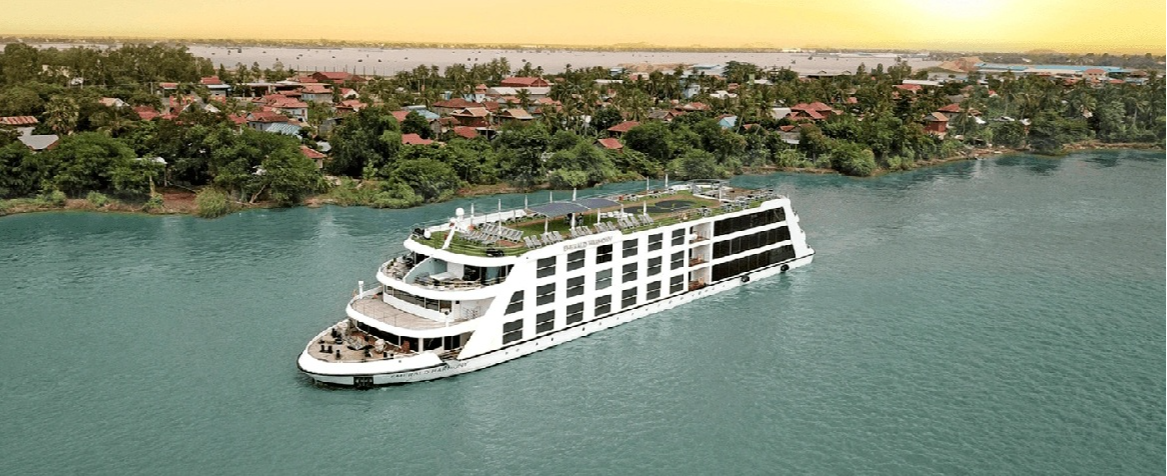

| 3 February | 24 days | One-way from Hanoi to Laem Chabang |
450-628-6241
Call us
|
| 11 February | 16 days | One-way from Saigon to Laem Chabang |
450-628-6241
Call us
|
| 22 September | 24 days | One-way from Hanoi to Laem Chabang |
450-628-6241
Call us
|
| 30 September | 16 days | One-way from Saigon to Laem Chabang |
450-628-6241
Call us
|
| 20 October | 24 days | One-way from Hanoi to Laem Chabang |
450-628-6241
Call us
|
| 28 October | 16 days | One-way from Saigon to Laem Chabang |
450-628-6241
Call us
|
Emerald Liberte
49 Cruises
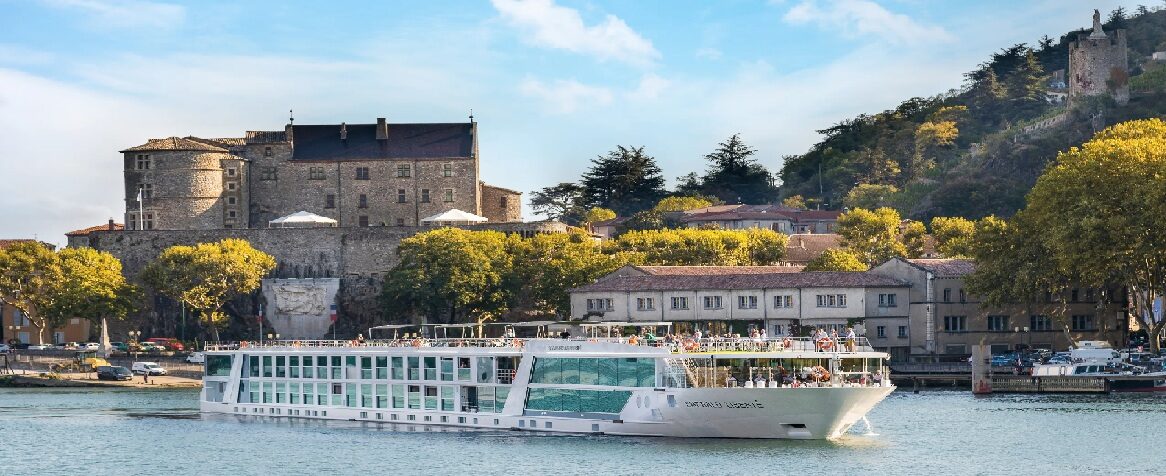
| 3 February | 24 days | One-way from Hanoi to Laem Chabang |
450-628-6241
Call us
|
| 11 February | 16 days | One-way from Saigon to Laem Chabang |
450-628-6241
Call us
|
| 22 September | 24 days | One-way from Hanoi to Laem Chabang |
450-628-6241
Call us
|
| 30 September | 16 days | One-way from Saigon to Laem Chabang |
450-628-6241
Call us
|
| 20 October | 24 days | One-way from Hanoi to Laem Chabang |
450-628-6241
Call us
|
| 28 October | 16 days | One-way from Saigon to Laem Chabang |
450-628-6241
Call us
|
Scenic Cruises (43 Cruises)
Scenic Spirit
43 Cruises
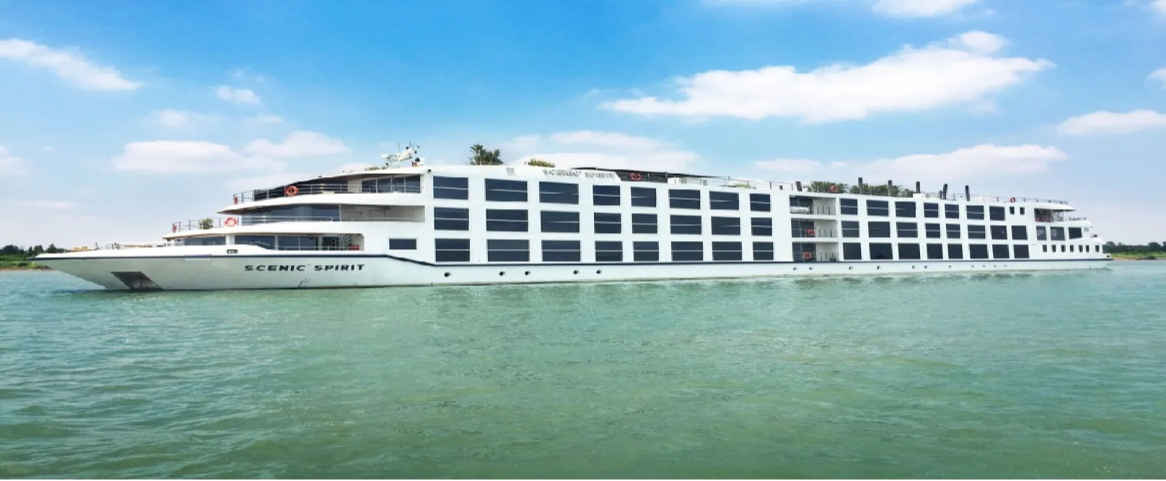

| 17 January | 28 days | One-way from Hanoi to Laem Chabang |
450-628-6241
Call us
|
| 26 January | 19 days | One-way from Saigon to Laem Chabang |
450-628-6241
Call us
|

Luang Prabang, Laos | Cruise Port Guide
Frequently Asked Questions
At the Mekong landings, a short walk from the old quarter. That is one of the great advantages of this call: few stops ask so little effort for so much. The old town starts practically at the foot of the gangway.
Yes, entirely. The old town, UNESCO World Heritage listed since 1995, occupies a peninsula between the Mekong and the Nam Khan, and the main street follows its spine. More than thirty Buddhist monasteries punctuate the lanes. No towers, no neon: only multi-tiered roofs sweeping low toward the gardens.
Wat Xieng Thong, Mount Phousi and a wander along the main street make a coherent half day, all on foot. If your boat offers an excursion to the Pak Ou caves or the Kuang Si falls, be aware that either one replaces the old town rather than adding to it.
It is the most revered monastery in Laos, founded in 1560, at the tip of the peninsula. Its layered roofs sweep almost to the ground in the classic Luang Prabang manner, and the rear chapel carries a tree-of-life mosaic in coloured glass that glitters in the morning sun. You reach it from the river by a monumental stairway, as the kings once did.
If your legs allow it, yes. The sacred hill has some 300 steps and the climb takes about fifteen minutes, punctuated by shrines that each open a new viewpoint. At the top, a full circle over the two rivers, the blue mountains on the horizon and the green and gold weave of the monasteries. A daytime call offers the same panorama as sunset, with far fewer people.
It is the daily alms ritual at dawn: residents kneel along the streets to place sticky rice into the monks' bowls. It unfolds in a silence that even visitors end up respecting. If your schedule allows you to witness it, keep a respectful distance and use no flash.
Shoulders and knees covered, shoes off at the chapel doors. These rules are not decorative: more than thirty working monasteries stand in the old town, and monks live their daily lives there. Photograph discreetly and ask before framing anyone.
The Lao kip and Lao. Bring cash: cards work in some hotels and restaurants, but not at the night market stalls or with the artisans. The French legacy still shows in the baguettes and filter coffee, but English is more useful than French in shops.
Sa paper, made from mulberry bark, and hand-woven silk. Artisans work in front of visitors in several workshop-boutiques in the old town, and the night market starts setting up along the main street in the late afternoon.
November to February: the dry, cool season, the most pleasant for walking the old town and climbing Mount Phousi. From March to May the heat turns heavy. The rainy season greens the landscape and fills the Kuang Si falls, at the cost of daily downpours.


