Ulsan Gyeongju, Korea
Korea
12
Cruises availables
At departure or passage at this port
Lindblad Expeditions (12 Cruises)
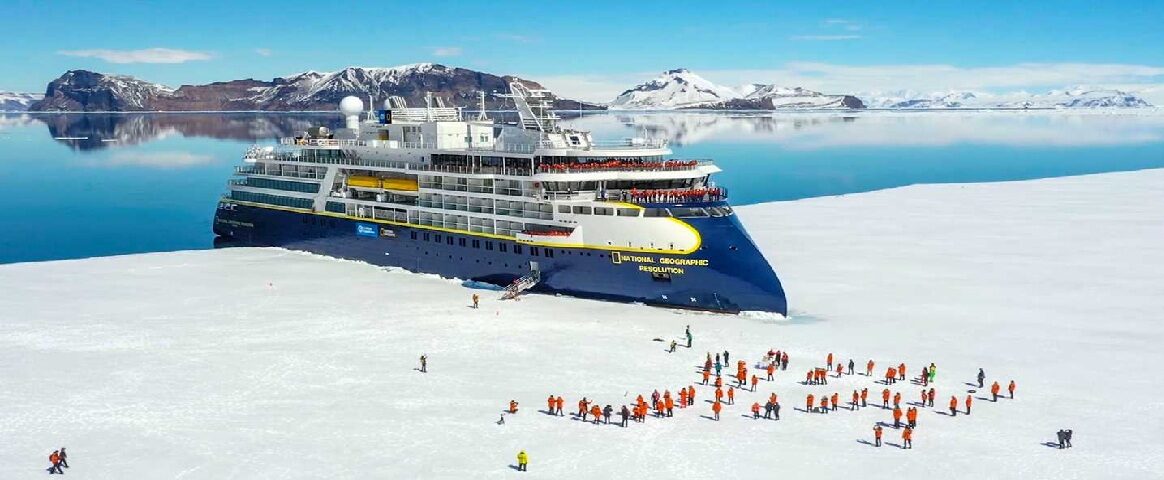
National Geographic Resolution
12 Cruises

Ulsan, South Korea | Cruise Port Guide
Frequently Asked Questions
In the industrial port area, in the middle of the world's largest shipyard. You arrive among hulls under construction, gantries as tall as buildings, flare stacks and LNG carriers. It is not a postcard pier, and nothing is walkable: shuttles and coaches connect to the centre and to excursions.
For Gyeongju, an hour's drive away. Ulsan is Korea's industrial capital and the home of the Hyundai group, but the real reason for the call is the ancient capital of the Silla kingdom, which Koreans call the museum without walls. Most passengers give it their whole day.
Yes, if historic sites interest you. For nearly a thousand years the Silla kingdom ruled the peninsula from this valley, and Gyeongju holds a concentration of remains unmatched anywhere in the country. The drive itself, through pine hills and rice paddies, eases you into the change of era.
Two clusters, and you often have to choose. On the wooded slopes to the southeast, Bulguksa temple raises its 8th-century pavilions on great stone terraces, UNESCO listed, and higher up the Seokguram grotto holds a granite Buddha that has contemplated the East Sea for twelve centuries. In town, Daereungwon park lines up the huge grassy mounds of the royal tombs, with the Cheomseongdae observatory and Wolji pond a few minutes' walk away.
There is enough to fill the day without the drive. Daewangam park lines up twisted pines and reddish rocks linked by a walkway above the waves. The Taehwa river runs alongside a vast bamboo forest where the light falls in stripes. And the Jangsaengpo district, a former whaling port, houses Korea's only whale museum.
They are the tombs of the Silla kings: enormous grassed domes rising between the streets like tamed hills. The park lets you walk among them and step inside one, opened up to show the burial chamber and its gold ornaments. The effect is startling: you walk through a district where every lawn hides a king.
A fair amount, yes. Bulguksa spreads over terraces linked by stone stairways, and the Seokguram grotto is reached by a short uphill forest path. Daereungwon park, on the other hand, is flat and easy. A full day there calls for good shoes.
The South Korean won and Korean. Credit cards work everywhere, including in Gyeongju's tea houses and bakeries. English appears on signage at the major historic sites but remains limited in everyday conversation.
Spring and autumn. In April, Gyeongju's cherry blossoms draw crowds; in October and November, coloured maples wrap around Bulguksa. Summer is hot and humid, which makes a full day of sightseeing harder than it looks, and winter stays dry but cold.
It depends on the ages. The Jangsaengpo whale museum and the walkway at Daewangam park appeal to younger children. Gyeongju, though, means an hour out, an hour back, and a good deal of walking between sites: it is a demanding day for small children.


