Motobu Okinawa, Japan | Cruise Port Guide

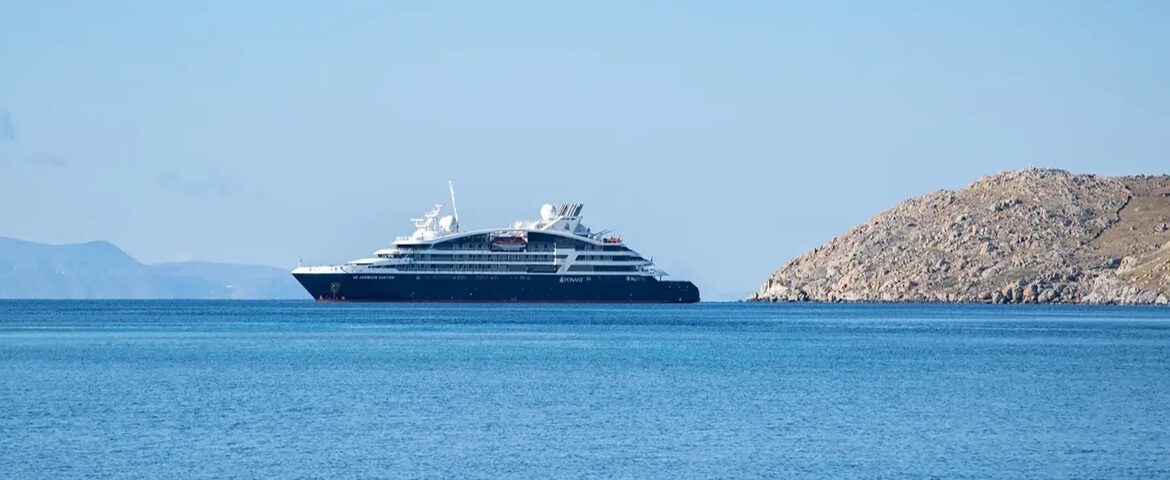
Northern Okinawa is unlike the south. Far from the bustle of Naha, the Motobu Peninsula juts into a coral sea dotted with islets, between forest-covered hills and villages where time slows down. The ship docks in this rural setting, and the stop feels like an interlude: everything here is close, the roads are quiet, the sea takes on hues the south could envy, and Japan's most famous aquarium is fifteen minutes from the pier.

Cruise lines generally organize shuttles and excursions; taxis and local buses round out the options for independent travellers.

Churaumi, the Aquarium That Made the North Famous

About eight kilometres from the port, in the large Ocean Expo Park, the Churaumi Aquarium remains the tourist engine of the entire region. Its main tank, dedicated to the Kuroshio Current, ranks among the largest in the world: whale sharks several metres long cross paths with manta rays in a wall of blue water that leaves visitors speechless. The neighbouring halls showcase Okinawa's coral life, from tiny shrimp to reef sharks, with plenty of explanations about the warm current that makes Okinawa a marine garden. The whole site deserves a lingering visit: tropical gardens, a dolphin theatre and a constant view of Ie Island and its solitary peak.

Emerald Beach and the Bise Avenue

At the end of the park, Emerald Beach lives up to its name: a crescent of white sand in green water, supervised in season, perfect for a swim between visits. Past the tip of the park, the hamlet of Bise hides one of the most peaceful walks on the island: sandy lanes shaded by rows of fukugi trees, planted generations ago to protect houses from typhoons. You get around on foot or by rental bike, between coral walls and gardens, with the sea appearing at the end of every lane. Noodle lovers will find several renowned counters of local soba on the peninsula, served in a clear pork broth: the region has made it a specialty, and a lunch stop almost suggests itself.

The Walls of Nakijin

On the heights of the peninsula, the ruins of Nakijin Castle spread their long limestone walls, a UNESCO World Heritage Site along with the other gusuku sites of the Ryukyu Kingdom. The fortress once dominated this entire part of the island; what remains are curves of rampart hugging the ridge, grassy esplanades and a wide view over the East China Sea. In late January, early-blooming cherry trees, the first in Japan to flower, tinge the site deep pink, and locals come to picnic beneath the branches well before the rest of the country.

Getting Around From the Pier

  • Churaumi Aquarium: about 8 km, or roughly fifteen minutes by taxi or bus from the pier.
  • Bise and Emerald Beach: beyond the Expo site, a few more minutes by car.
  • Nakijin Castle: about 20 to 30 minutes by road from the pier.
  • Yen in cash is useful for buses and small rural shops; taxis become scarce late in the day, so it is best to arrange your return in advance.

Many passengers bring back the same image from this day: the deep blue of the great tank, or the green light filtered through the fukugi of Bise. Motobu doesn't raise its voice. It shows, in a single port call, that Okinawa is best savoured where the island breathes slowly.

Frequently Asked Questions

In a rural setting on the Motobu peninsula in northern Okinawa, far from the bustle of Naha. Cruise lines generally arrange shuttles and excursions; taxis and local buses fill the gap for independent travellers.
Japan's most famous aquarium, about eight kilometres from the port inside the Ocean Expo memorial park. Its main tank, devoted to the Kuroshio current, is among the largest in the world: whale sharks several metres long pass manta rays in a wall of blue water.
A half-day at minimum. The aquarium alone takes two hours, and the surrounding site deserves lingering: tropical gardens, a dolphin theatre and a constant view of Ie island and its solitary peak.
Yes, at Emerald Beach at the far end of the Expo park: a crescent of white sand in green water, lifeguarded in season. It is ideal for a swim between visits, with no extra transport once you are on site.
One of Okinawa's most peaceful walks, just past the park's headland: sandy lanes shaded by rows of fukugi trees, planted generations ago to shield the houses from typhoons. You go through on foot or by rental bicycle, between coral walls and gardens.
Ruins with long limestone walls on the heights of the peninsula, inscribed on the UNESCO World Heritage list along with the other gusuku sites of the Ryukyu kingdom. What remains are rampart curves following the ridge and a wide view over the East China Sea.
Late January: they are the first in Japan to flower, tinting the site dark pink. Residents picnic under the branches well before the rest of the country, which makes it a curiosity for winter itineraries.
Okinawa soba, served in a clear pork broth. The peninsula has made it a specialty and has several well-known counters: the lunch stop almost arranges itself between the aquarium and Bise.
By agreeing on your return in advance: taxis grow scarce late in the day in this rural part of the island. Churaumi is about fifteen minutes from the quay, Bise and Emerald Beach a few minutes further, Nakijin 20 to 30 minutes.
Yes, yen in cash is useful for buses and small rural businesses. The aquarium and major sites take cards, but soba counters and village shops often work on cash.