Palmarola Island Italy | Wild Mediterranean Nature Guide

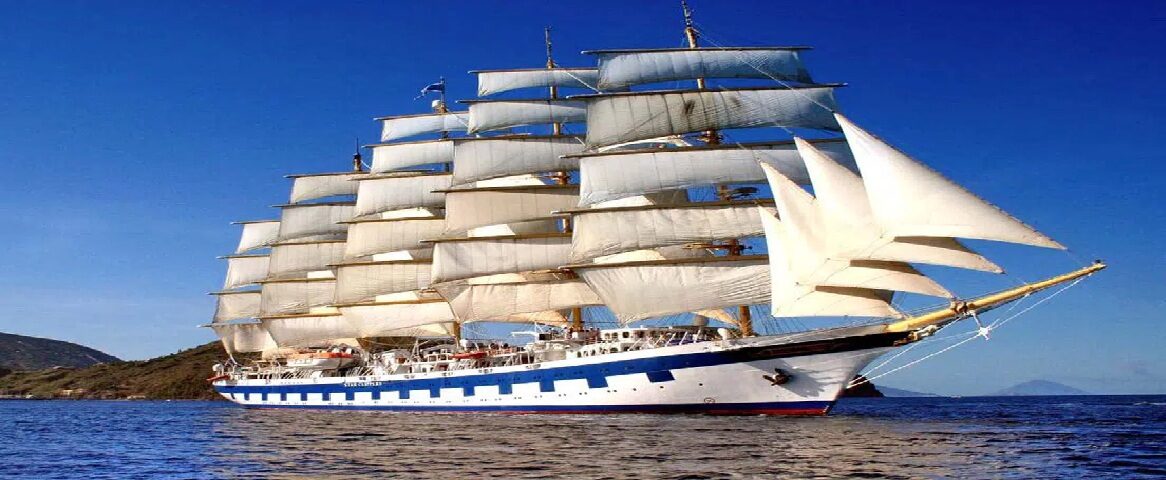
No roads, almost no residents, not a single streetlight: Palmarola still lives as on the first morning of the world. This island in the Pontine archipelago, about ten kilometres northwest of Ponza and off the coast of Lazio, can be reached only by boat — a crossing of about thirty minutes from the port of Ponza. Expedition ships and small vessels anchor off volcanic cliffs covered in maquis, and Zodiacs drop passengers on the only inhabited beach. The port call is an immersion, in the literal sense, in a Mediterranean from before tourism.

A volcanic island sculpted by the sea

Palmarola was born of fire: its pale, jagged rocks, cathedrals of tuff and obsidian, plunge into waters whose transparency surprises even seasoned sailors. The coast is fringed with sea caves, arches and needles; the faraglioni on the north side, nicknamed "the cathedrals" for their walls ribbed like organ pipes, rank among the most striking seascapes in Italy. The entire island is protected, and most of the day is spent admiring it from the water, by boat or swimming. Since prehistoric times, however, this rock has mattered: its obsidian, the black volcanic glass sought after for making blades and tools, circulated throughout Neolithic Italy — one of the few deposits in the western Mediterranean.

Cala del Porto, the only inhabited shore

Landing usually takes place at Cala del Porto, on the east coast: a beach of sand and pebbles, a handful of cave houses carved into the tuff and a single seasonal restaurant with its feet in the water. Behind the beach, a path climbs to the small chapel dedicated to St. Silverius. The whole area can be explored in little time; the luxury here is to slow down, sit facing the bay and listen to the surf.

A pope in exile

The island has a singular history: Pope Silverius, deposed and banished in the 6th century, is said to have ended his days here in 537. Now the patron saint of the archipelago, he is honoured every year by the people of Ponza, who cross over in a procession of boats to the chapel. This tiny white sanctuary, perched above the cove, sums up the spirit of the place: an austere rock where humans have only ever passed through.

Caves, coves and swimming

A boat tour around the island reveals its wonders one by one: Cala Brigantina and its cavities that you enter by swimming, walls streaked with black obsidian, and fish-rich seabeds that delight snorkellers. The waters, among the clearest in the Tyrrhenian Sea, turn turquoise above the pale seabed. Groupers, salema and schools of damselfish frequent the drop-offs; with luck, dolphins escort the boats in the channel between the two islands. Seabirds nest by the hundreds in the cliffs, and their cries accompany every Zodiac passage beneath the arches.

Tips for the day

  • Bring a hat, water and sun protection: shade is rare and services almost nonexistent
  • Water shoes recommended for the pebble beaches and rocks
  • A mask and snorkel are essential: the seabed is the main attraction
  • No shops apart from the seasonal restaurant at Cala del Porto; bring what you need
  • Plan more time in the water than on land: swimming remains the best way to get to know the place

When the Zodiac heads back to the ship, the blond cliffs recede and the island becomes once again what it has never stopped being: a refuge for seabirds, silent divers and dreamers. Palmarola is hard to describe; it is experienced, and then missed. That is the nature of places that have remained intact.

Frequently Asked Questions

By zodiac, and only in calm seas. Expedition ships and small vessels anchor off the volcanic cliffs and set passengers down on the island's one inhabited beach, Cala del Porto. There is no pier and no road: if the sea picks up, the landing is cancelled.
Almost nothing. Cala del Porto has a handful of cave dwellings cut into the tuff and a single seasonal restaurant at the water's edge. No other shops, no ATM, no street lighting. Bring whatever you will need.
Spend more time in the water than on land. The boat circuit of the island strings together sea caves, arches and faraglioni, including the northern stacks nicknamed the cathedrals for their organ-pipe ribbing. Mask and snorkel are the heart of the day.
In the Pontine archipelago, about 10 km northwest of Ponza off the coast of Lazio. It is reachable only by boat: roughly thirty minutes' crossing from Ponza harbour.
Yes, and that is the point of the call. The water is among the clearest in the Tyrrhenian, with grouper, salema and shoals of damselfish along the drop-offs. Cala Brigantina and its cavities can be entered by swimming. Water shoes are recommended — the beaches are pebble.
Honestly, no. Landing is by zodiac onto a pebble beach, with no pier and no ramp, and the paths climb through volcanic rock. The call is mostly experienced from the water, which remains possible by staying aboard the tender.
Hat, water, sun protection, mask and snorkel, water shoes. Shade is scarce and services are close to non-existent beyond the seasonal restaurant. Bring cash too — do not count on cards in a place like this.
Because the whole island is an intact natural site, with no road and no development. Seabirds nest by the hundred in its cliffs, and the seabed supports wildlife that heavy visitation would quickly damage. Viewing from the water is encouraged; building is not.
It is dedicated to Saint Silverius, a pope deposed and exiled in the 6th century, said to have died on the island in 537. Now patron saint of the archipelago, he is honoured each year by the people of Ponza, who cross in a procession of boats to the little white sanctuary above the cove.
June to September, when the sea is most workable and swimming is pleasant. Outside that window the anchorage becomes unreliable and the Cala del Porto restaurant closes. Even in summer, a northwest swell can cancel the landing.