Marsala Sicily | Wine & Mediterranean Cruise Guide

In 1773, an English merchant named John Woodhouse had a few casks of a local wine fortified with brandy loaded aboard his ship, so it would withstand the voyage to Liverpool. England fell for the drink, and the name of this city in Sicily's far west travelled around the world: Marsala. The port of call tells this story of vines, salt and seafarers.

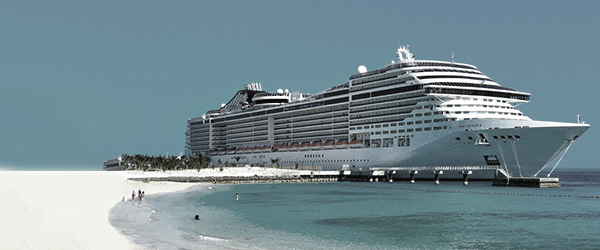
Docking at the Gates of the Centre

Only modest-sized vessels moor here, in the basin next to the old town; from the jetty, a few minutes' walk leads to the first streets of the Baroque centre, where Piazza della Repubblica brings together the Senate Palace with its loggia and the mother church, dedicated — a reminder of Norman ties with England — to Thomas Becket of Canterbury. It was also on this shore that Giuseppe Garibaldi landed on May 11, 1860, with his thousand Redshirts, the first act of Italian unification: the gate bearing his name guards the southern entrance to the city and reminds passers-by of the event.

A Punic Ship in a Museum

On the waterfront, the regional archaeological museum, housed in a former winery, the Baglio Anselmi, holds a unique treasure: the wreck of a Carthaginian warship sunk during the First Punic War, found offshore in the 1970s. Its wooden ribs, astonishingly well preserved, tell of the naval battles fought in these waters more than two thousand years ago. All around, amphorae and recovered objects complete the picture of a strategic sea between Africa and Sicily, and the Lilybaeum Archaeological Park extends its open-air excavations over the remains of the ancient city.

The Wine That Bears the City's Name

The great wine houses line up their cellars along the coast, and several can be visited: vaulted cellars where the casks rest, guided tastings that reveal the full range of Marsala, from the dry version served chilled to the long-aged amber. The historic wineries, some founded in the 19th century by the great merchant families, carry on traditions that the Englishmen of Woodhouse's time would still recognize. In town, wine bars in the old centre offer a quicker introduction, glass in hand on a small Baroque square.

The Salt Pans and the Island of the Phoenicians

North of the city begins the Stagnone lagoon: checkerboard salt pans, restored windmills and mountains of salt that turn pink at sunset; kitesurfers' sails now streak the lagoon's flat waters, the new face of a site worked since Antiquity. A boat crosses the shallow waters in a few minutes to the island of Mozia, a former Phoenician trading post whose museum holds a marble statue famous the world over, the Youth of Mozia. The excursion combines archaeology and scenery, a handful of kilometres from the quays; in the off-season, pink flamingos take over the ponds.

From Quay to Wine Bar

  • Docking reserved for modest-sized ships, historic centre accessible on foot.
  • Baglio Anselmi Museum and its Punic ship on the waterfront.
  • Historic wineries open for visits, tastings by reservation or drop-in depending on the house.
  • Stagnone salt pans and the island of Mozia a short distance to the north, with regular boats.

One Last Glass

As the coast recedes, the windmills of the salt pans still turn in the evening and you think back to that English merchant who suspected nothing. Some cities export their products; this one exported its name. The taste of amber and walnut lingering at the bottom of the glass extends the visit long after Sicily has left the horizon.

Frequently Asked Questions

In the basin adjoining the old town. Only smaller vessels berth here: from the mole, a few minutes' walk reaches the first streets of the baroque centre.
For its wine. In 1773 the English merchant John Woodhouse shipped a few casks of a local wine fortified with brandy so it would survive the voyage to Liverpool. England took to the drink, and the town's name travelled the world.
Yes. The great houses line their cellars along the coast and several are open: vaulted cellars where the casks sleep, guided tastings revealing the range of marsala, from dry served chilled to long-aged amber. In town, wine bars offer a quicker introduction.
A unique piece: the wreck of a Carthaginian warship sunk during the First Punic War, found offshore in the 1970s. The wooden ribs, astonishingly preserved, tell of the naval battles fought in these waters more than two thousand years ago.
The centre on foot: piazza della Repubblica with its loggia senatorial palace and mother church, the Garibaldi gate, the Baglio Anselmi museum and the Lilybaeum archaeological park. Then a wine cellar, or the Stagnone salt pans to the north.
A lagoon north of the town: chequerboard salt pans, restored windmills and mountains of salt turning pink at sunset. Kitesurfers' sails now streak these flat waters, the new face of a site worked since antiquity.
A small boat crosses the shallow waters of the Stagnone in a few minutes. Mozia is a former Phoenician trading post whose museum holds a world-famous marble statue, the Youth of Mozia. The outing combines archaeology and landscape, a handful of kilometres from the quays.
It was from this shore that Giuseppe Garibaldi landed on 11 May 1860 with his thousand redshirts, the first act of Italian unification. The gate bearing his name guards the town's southern entrance and reminds passers-by of the event.
The euro and Italian, with Sicilian. English is spoken in the wine cellars that receive visitors, less elsewhere. Keep cash for the boats to Mozia and shops in the centre.
In the off season, when they take over the Stagnone salt pans. In high season it is kitesurfers who occupy the water: two very different faces of the same site depending on the month of the call.