Kangaamiut, Greenland | Cruise Port Guide

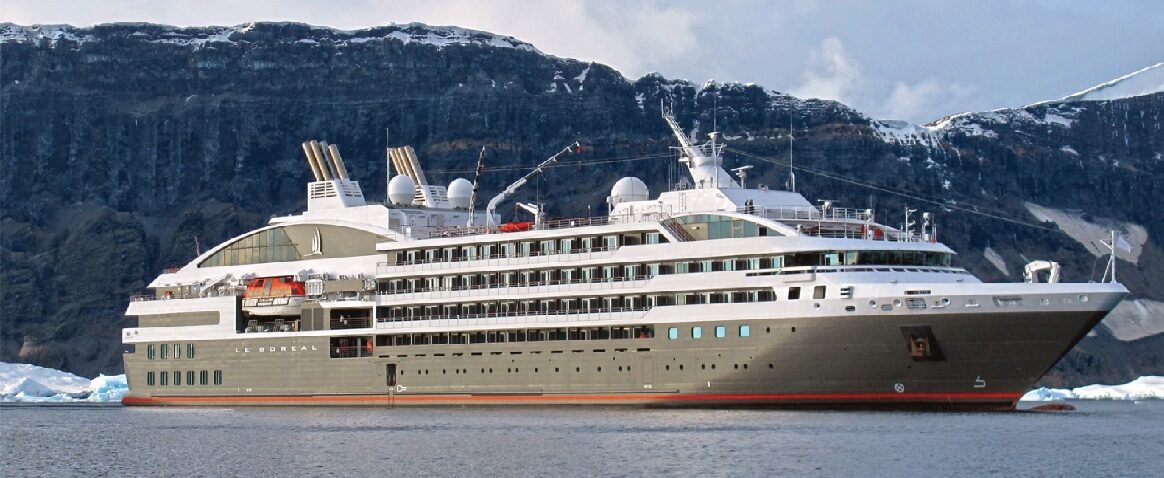
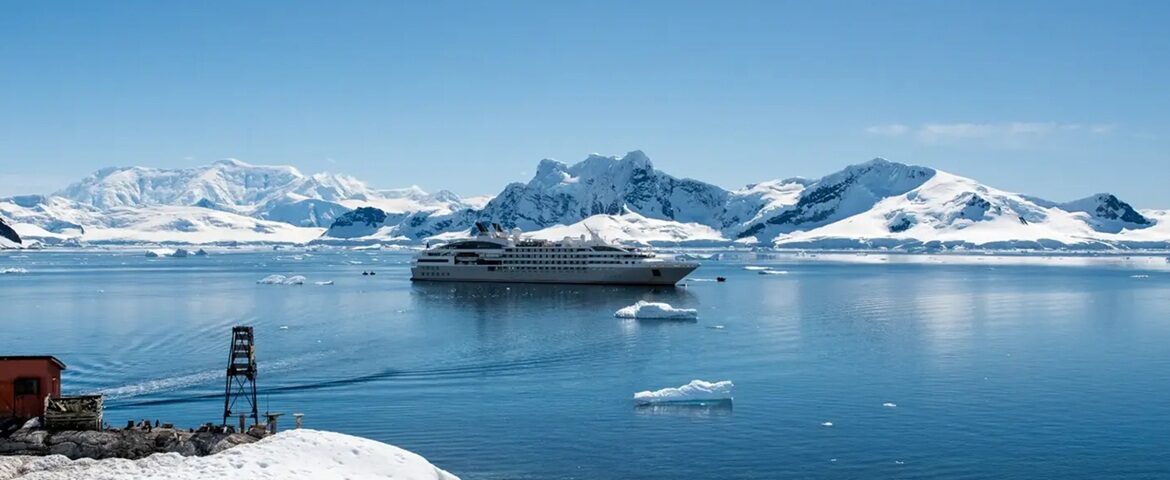
The houses appear all at once, splashes of red, blue, and yellow clinging to a granite amphitheatre facing the Davis Strait. Kangaamiut, a village of about 300 people in western Greenland, has no dock for large ships and no road to anywhere else: expedition ships anchor off the shore and Zodiacs drop passengers at the small harbour, among the fishermen's boats and fish-drying racks. Within minutes, you go from the comfort of the ship to one of the most endearing communities on the west coast.

A Village of Artists

Kangaamiut holds a particular reputation in Greenland: that of a community of artists. Stone and bone carvers, painters, and embroiderers here carry on skills passed down from generation to generation, and the small local museum displays their work alongside old objects from the hunting life. Visitors can buy a carved tupilak or traditional beads directly from the hands of the creators, with the rare certainty that the piece really does come from here. The homes opened to cruise passengers often display crafts and costumes, in an atmosphere more of encounter than of commerce.

A Taste of the Land

During stops, the community often organizes a tasting of local products: shrimp from the nearby cold waters, dried cod, smoked halibut, dried muskox meat, and, for the curious, a piece of mattak, the whale skin Greenlanders consider a delicacy. Every bite tells the story of the pantry of a people who live off the sea and the tundra. Locals accompany it all with explanations, sometimes a song, often laughter: there's no script to the welcome here.

The Climb to the Heliport

The signature walk climbs via wooden stairs and paths up to the heliport platform, perched above the rooftops. From up there, the view takes in the colourful roofs, the surrounding islands, and, in the warmer season, the strait dotted with icebergs. The path takes about twenty minutes with no major difficulty, and each landing offers a new angle on the façades stacked up the slope. On a clear day, the Arctic light gives the colours an intensity cameras struggle to capture. It's the photo every passenger brings home, and it earns its reputation.

A Life Set by Hunting and Fishing

Walking through the lanes, you can read the daily rhythm of life with no need for a guide: nets being mended outside houses, split fish drying in the wind, sleds stored away waiting for the sea ice, children playing ball among the rocks. The local shop, tiny but well stocked, can also help out visitors looking for a chocolate bar or a stamp. Only about 1,500 cruise passengers land here in an average year, so the visit still carries the feel of an event for both sides. People greet each other, smile, understand one another through gestures; this is how Greenland is first learned.

Tips for the Visit

  • Bring shoes with good grip: the village's paths and stairs are steep in places.
  • Bring Danish kroner in small bills for crafts; there's no ATM on site.
  • Ask permission before photographing people, and respect the fishermen's work areas.

Heading Back Down to the Zodiacs

The trip back to the ship is often made in silence, each passenger busy taking stock of what they've just experienced: a tiny village, a living art, and a generous table set at the edge of the inhabited world. Kangaamiut appears on no official list of wonders, and that's just as well. It offers something more lasting: proof that people can live, create, and laugh at the edge of the Davis Strait, and a lingering urge to come back and check.

Frequently Asked Questions

Nowhere: the village has no pier for large ships. Expedition vessels anchor offshore and Zodiacs land passengers at the small harbour, among the fishing skiffs and the drying racks.
No. No road reaches Kangaamiut, as in almost every Greenlandic village. You arrive by sea or by helicopter.
Its reputation as a village of artists. Carvers in stone and bone, painters and beadworkers keep alive skills handed down through generations, and the small local museum shows their work alongside older objects from the hunting life.
Yes, and often straight from the maker's hands: a carved tupilak, traditional beadwork. It is one of the few places where you can be certain the piece really came from here.
The community often lays out a tasting of local products: cold-water shrimp, dried cod, smoked halibut, dried musk ox and, for the curious, mattak, the whale skin Greenlanders treat as a delicacy.
The climb to the heliport, by wooden stairs and footpaths: about 20 minutes to the platform, where the view takes in the coloured roofs, the surrounding islands and the Davis Strait dotted with icebergs in season.
Nothing severe, but the village paths and stairways are steep in places. Shoes with good grip make all the difference.
Yes. Bring Danish kroner in small notes for the craft work: there is no ATM in the village.
Only about 1,500. That is why the visit still feels like an event, for residents as much as for passengers.
Yes, and children are often the best passport: village kids play ball among the rocks and the encounter happens through gestures and smiles. The heliport climb is within reach of any child who can walk.