Ikaria Island Agios Kirykos, Greece

2 Cruises availables At departure or passage at this port
Ikaria Agios Kirykos Greece | Authentic Aegean Island Guide

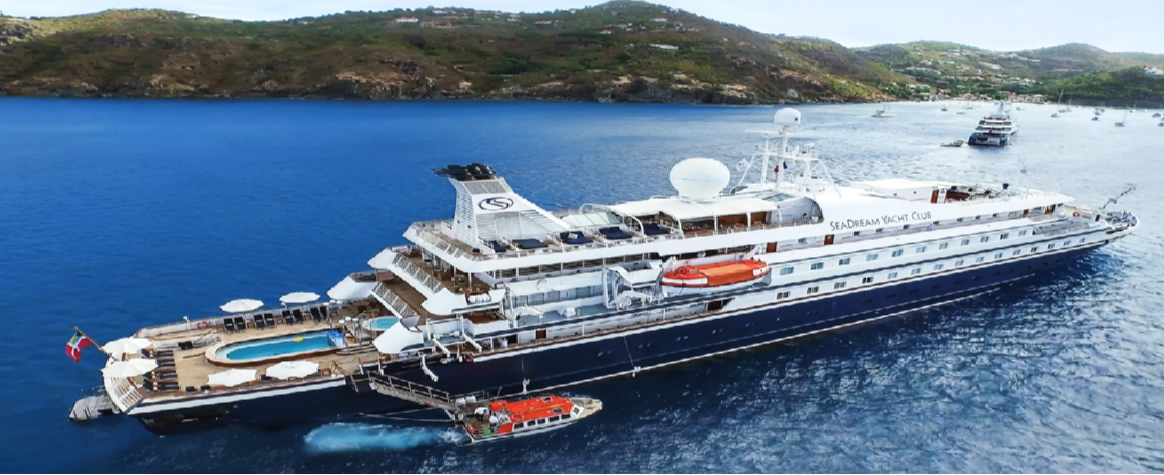
Legend has it that Icarus fell into these waters, his wax wings melted by the sun, and that the island took its name from him. Ikaria has carried something of that mythological baptism into its own relationship with time: people live long here, and hurry little. Ships drop anchor off Agios Kirykos, the small capital on the southeast coast, and tenders drop passengers just steps from a shaded square where the days seem to pass more slowly than elsewhere.

Agios Kirykos, a Human-Scaled Capital

The town is best explored with no map at all. Two- or three-storey neoclassical houses, flower-filled balconies, and slate roofs frame stepped lanes climbing up from the shore. The central square gathers cafés, pastry shops, and small boutiques; fishermen unload their catch here in the early morning, under the watchful eye of regulars who comment on the day's haul. Nothing here seems to have changed in decades, and no one seems to mind. Climbing toward the church crowning the hill rewards you with an open view over the Aegean and, on a clear day, the nearby Fournoi archipelago.

In the former harbourmaster's building, the small Archaeological Museum displays pieces ranging from prehistory to Byzantium. A short visit, but one that's a reminder this isolated land was inhabited long before the myths took hold.

Afterward, take the time to sit at a waterfront café. The tavernas serve the morning's fish, goat cheese from the hills, and the island's red wine, dense and generous, already celebrated by the ancients. No one will rush you to give up your table: the very idea would make the waiters smile.

Therma, the Hot Springs of the Ancients

2 km from the landing, the cove of Therma holds thermal springs that bubble up warm, straight into the sea. People came here for healing in antiquity; they still do, towel in hand, slipping into the warm water between the rocks. The hamlet keeps a pleasantly old-fashioned charm, with its handful of tavernas and modest guesthouses. A taxi or a thirty-minute coastal walk gets you there; the swim itself needs no reservation. Slip a swimsuit and towel into your bag before leaving the ship: the water, heated by the island's volcanic depths, stays pleasant even off-season, and the experience ranks among the most distinctive in the Aegean.

The Island Where People Live Long

Ikaria ranks among the planet's rare "Blue Zones," those places where longevity far exceeds the average. Researchers point to diet, the hills climbed on foot, the afternoon naps, the strong social bonds. Travellers, for their part, pick up on the concrete signs: elders deep in conversation at café tables, vegetable gardens clinging to the hillsides, a collective rhythm that pays no attention to the clock. Tasting soufiko, that slow-cooked stew of garden vegetables, or a spoonful of local honey, is a small taste of that invisible recipe.

A Few Ideas Depending on the Ship's Schedule

  • Two hours: the town, the square, the hilltop church view, and a coffee on a terrace.
  • Half a day: add the Therma springs and a taverna meal.
  • With more time: a taxi ride to the mountain villages reveals the island's pines, vineyards, and inland gorges.

The time to head back aboard always comes too soon here, and that's probably the paradox of this stop: the island that teaches slowness grants us only a few hours. Watching Agios Kirykos shrink behind the wake, you carry away less a set of images than a question, the kind that stays with you: what if they were the ones who had it right, sitting there on their terraces?

Frequently Asked Questions

By tender. Ships anchor off Agios Kirykos, the small capital on the southeast coast, and passengers land a few steps from a shaded square.
The town, the square and the hilltop church in two hours, then the hot springs at Therma and a taverna meal. With more time, a taxi ride to the mountain villages reveals the pines, vines and gorges of the interior.
Thermal springs that rise directly into the sea, 2 km from the landing. People came here to be treated in antiquity; they still slip in among the rocks, into water warmed by the island's volcanic depths.
A taxi or a coastal walk of about thirty minutes. No booking is needed for the bathing: slip a swimsuit and towel into your bag before leaving the ship.
Because it is one of the few places on earth where longevity far exceeds the averages. Researchers point to the diet, the slopes people climb on foot, the naps and the social bonds.
From the legend of Icarus, who fell into these waters when his wax wings melted in the sun. The island kept from that mythological baptism a singular relationship with time: people live long here and hurry little.
Two- and three-storey neoclassical houses with flowering balconies and slate roofs, stepped lanes, and a small Archaeological Museum housed in the former harbourmaster's building. Climbing to the hilltop church opens a panorama over the Aegean.
Soufiko, a stew of garden vegetables, the morning's fish, goat cheeses from the uplands, local honey and the dense, generous island red wine the ancients already praised.
Yes for a quiet call. The town needs no map, the springs at Therma amuse children, and nobody hurries anybody. The stepped lanes do make strollers awkward, though.
The euro and Greek. The island sits off the main tourist routes: bring cash. English is spoken in the waterfront tavernas, less so in the mountain villages.