Nienburg-Weser Germany Lower Saxony

22 Cruises availables At departure or passage at this port

CroisiEurope (22 Cruises)

Port of Nienburg, Germany | Cruise Port Guide

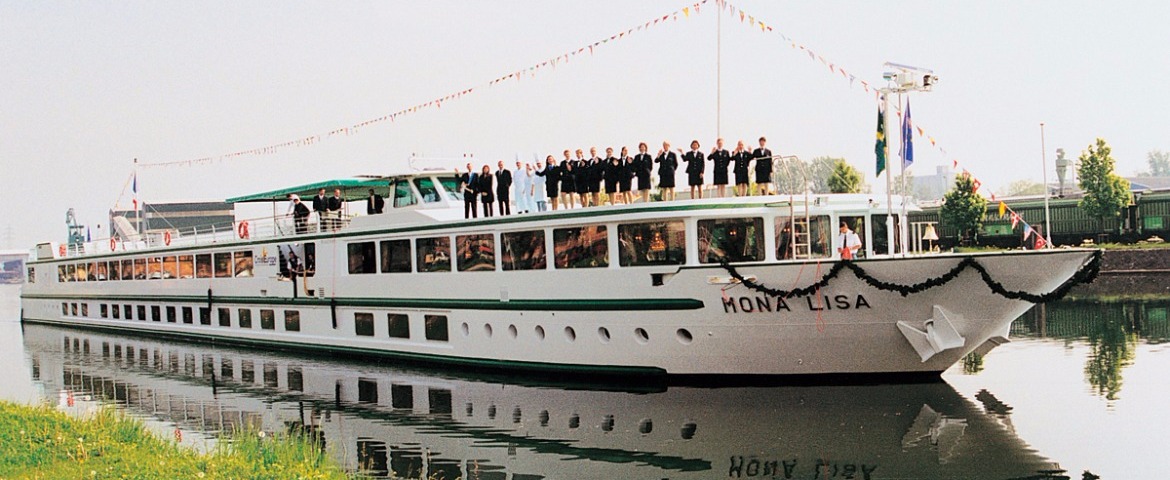
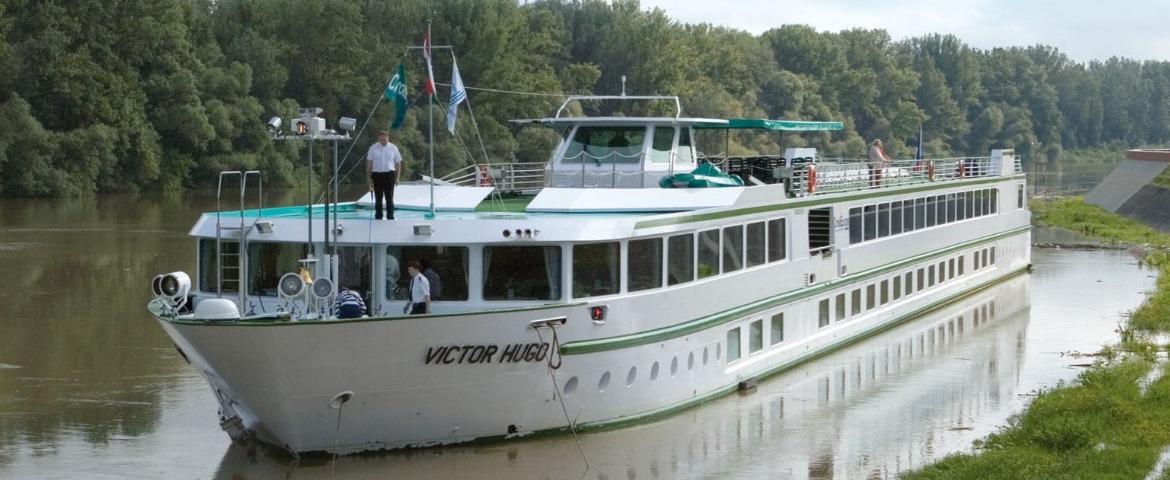
Bear paw prints, painted or cast in bronze, dot the sidewalks of Nienburg. The animal appears on the town's coat of arms, and this 3.3-kilometre trail — the "bear trail" — is the friendliest way to explore: you simply follow the tracks. Boats sailing down the river dock at the promenade, at the foot of the old town; the port call then plays out on foot, with no transportation or detours.

A thousand years on the Weser

Mentioned as early as the 11th century, the town owes everything to its river: tolls, the grain trade and market halls. The half-timbered façades of the centre, often adorned with inscriptions and carved rosettes, bear witness to this prosperity. Nienburg is also on the German Half-Timbered House Route, an itinerary linking the finest ensembles of the style. The pedestrian main street lines up shops, cafés and pastry shops — more than one window features the emblematic bear in biscuit or candy form.

The Fresenhof and the regional collections

In the heart of the old quarter, the Fresenhof, a large 16th-century half-timbered residence, houses the regional museum. Archaeology, furniture and river trades: the rooms trace the history of the middle valley with a care that is surprising for a town of this size. Nearby, St. Martin's Church, 13th-century brick Gothic, raises its tower above the rooftops; the sober interior holds some fine old pieces.

Asparagus, queen of spring

The region grows one vegetable with particular fervour: asparagus. The sandy soils of the area suit it so well that an entire exhibition house is devoted to it, the only one of its kind in Lower Saxony. There you learn the history of "white gold," its tools and its rituals — and if the port call falls between April and June, the town's tables serve it every which way, from melted butter to vinaigrette. Out of season, the museum keeps the nostalgia alive.

The riverbank promenade

Before re-embarking, the riverbanks deserve one last loop: lawns, willows, footbridges and benches facing the current. The boats of the "Weser Fleet" offer narrated outings, and cyclists on the Weser cycle route stop here by the hundreds on fine days. You then realize how the river, once a trade route, has become the residents' favourite leisure space.

Details worth looking up for

The stroll rewards the observant. The historic town hall sports an ornate gable typical of the Weser Renaissance, all scrolls and carved stone; the beams of the merchants' houses bear pious mottos or construction dates, and more than one façade hides a peaceful inner courtyard. Those curious about unusual stories will step into the Lower Saxony Police Museum, located in town — you do not expect to find it there, and that is precisely what makes it interesting.

The pleasure of simple things

A farmers' market on certain mornings, children counting bear prints, an Italian ice cream shop on the corner of the main street: the stop comes down to these unpretentious images. This is precisely what many river travellers are looking for — an everyday Germany, welcoming and with no lineups.

Port call pointers

ItemPointer
Dockingriverbank promenade, centre a 5-minute walk away
Bear trail3.3 km marked loop
Fresenhof Museumin the heart of the old town
Asparagus seasonApril to late June

Leaving the bear trail

The last bronze print leads naturally back to the riverbank. Nienburg will have asked nothing of its visitors: a few steps, a little attention and an appetite for tasting. It is the kind of port call that makes no noise in an itinerary — and yet one people talk about again at supper, comparing their photos of bear prints.

Frequently Asked Questions

At the Weser riverside promenade, at the foot of the old centre. The centre is five minutes walk away, and the whole visit is then done on foot, with no transport or detour.
A marked 3.3 km route lined with bear paw prints painted or cast in bronze into the pavements. The bear appears on the town coat of arms; you simply follow the tracks to tour the town.
Follow the bear trail, visit the Fresenhof regional museum, look into St Martin church, then loop back along the riverside promenade. All of it on flat ground.
A large sixteenth-century half-timbered house in the heart of the old quarter, home to the regional museum: archaeology, furniture and river trades. The collections are surprisingly well cared for in a town this size.
Because the sandy soils nearby suit it so well that an entire exhibition house is devoted to it, the only one in Lower Saxony. It covers the history of white gold, its tools and its rituals.
April to the end of June. Outside that window local tables do not serve it fresh and only the museum keeps the nostalgia alive. Worth knowing before building a day around it.
The historic town hall with its ornate Weser Renaissance gable, the carved beams of the merchant houses, and the Lower Saxony police museum in town. You do not expect to find it there, which is exactly what makes it interesting.
Yes. Counting bear prints keeps children busy the whole way, the Italian ice-cream shop on the main street does the rest, and the flat riverbanks suit pushchairs.
The euro, and bring cash. In a town this size, several patisseries, market stalls and small shops do not take cards.
Yes to both. The Weser cycle route runs along the banks and draws cyclists by the hundred in fine weather; local excursion boats offer commentated trips on the river.