Magdeburg Germany Saxony-Anhalt

20 Cruises availables At departure or passage at this port

CroisiEurope (20 Cruises)
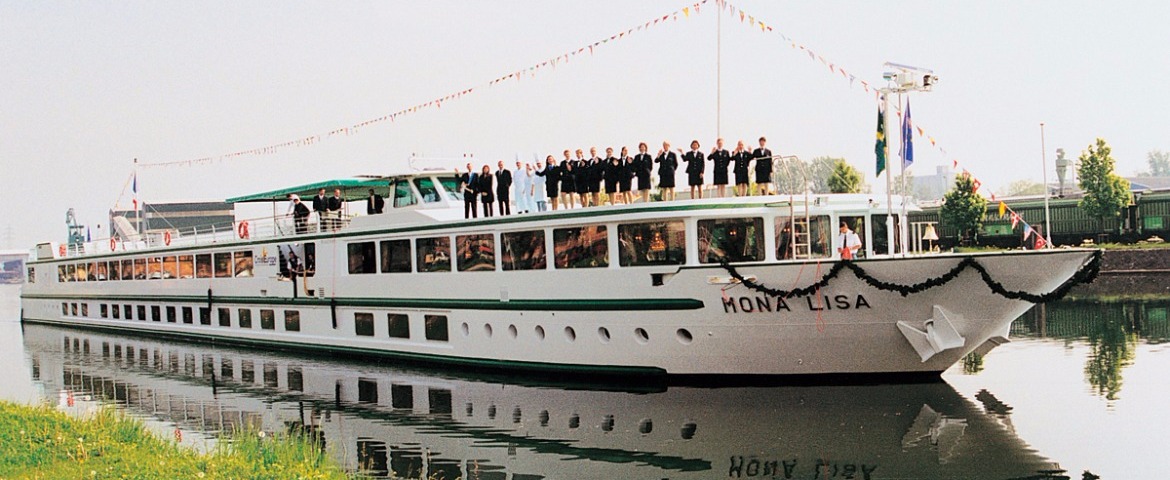
Port of Magdeburg | Cruise Port Guide

From the river, Magdeburg announces itself with two grey spires that dominate everything else. The cathedral has watched over the Elbe for eight centuries, and river boats moor at the Petriförder, a landscaped quay just below the centre. Cafés, a beer garden and a tree-lined promenade border the landing: rarely does a large German city get its passengers to the heart of things so quickly. The capital of Saxony-Anhalt, destroyed several times over its history, Magdeburg has reinvented itself each time, and the port call tells precisely this story of new beginnings.

Germany's First Gothic Cathedral

A few minutes' walk is enough to reach the Cathedral of St. Maurice and St. Catherine, begun in 1209: the first Gothic building of this scale in the country. Beneath its bright vaults lies Emperor Otto the Great, who made Magdeburg one of the Empire's strongholds in the 10th century. The sculptures are worth slowing down for, especially the figures of the Wise and Foolish Virgins, with their strikingly lifelike expressions. Admission is free, and the silence of the nave contrasts with the bustle of the quays.

Hundertwasser's Green Citadel

Two streets away, a complete change of world: undulating pink façades, irregular columns, golden domes and trees growing on the roofs. The Grüne Zitadelle, the last project of Austrian artist Friedensreich Hundertwasser, completed in 2005, houses apartments, shops, a café and a theatre in an architecture that rejects straight lines. You can wander freely through its courtyards, where every window differs from its neighbour. The building has become one of the city's emblems, a joyful reply to the sober façades around it.

From the Old Market to Traces of the Past

The walk continues to the Alter Markt, the old market square, where a copy of the Magdeburg Rider stands, a gilded 13th-century equestrian statue whose original is housed in the Museum of Cultural History. The Baroque town hall closes off the square, patios set up there on fine days, and stalls of fruit and flowers bring a little colour between the rebuilt façades on certain mornings. A little farther north, the Monastery of Our Lady, one of the oldest Romanesque complexes in eastern Germany, now houses an art museum in its bare stone galleries, around a cloister of soothing simplicity.

The River on Show

The walk back to the ship can follow the riverbanks, where Magdeburg nurtures its relationship with the Elbe. Bridges follow one another, barges head upstream, and locals take over the lawns of Rotehorn Park, on the island opposite, as soon as the sun comes out. Civil engineering enthusiasts will note that north of the city, a water bridge nearly a kilometre long carries a canal over the river, one of the most spectacular waterway crossings in Europe; some port call excursions go there by coach.

Port Call Pointers

  • Mooring at the Petriförder, at the foot of the centre; the spires are a few minutes' walk away.
  • Cathedral: Germany's first major Gothic building, tomb of Otto the Great, free admission.
  • Grüne Zitadelle: Hundertwasser architecture, courtyards open to strollers.
  • Alter Markt and Monastery of Our Lady: rebuilt historic heart, Romanesque art museum.
  • Wasserstrassenkreuz water bridge: north of the city, accessible on an excursion.

Before Heading Back on Board

At the Petriförder, the port call often ends over a drink facing the current, where the beer garden tables almost touch the water. Magdeburg is like no other stop on the Elbe: neither entirely old nor quite new, it layers a 10th-century emperor, postwar façades and the colours of a dreamy artist. The river, for its part, links these eras effortlessly, and you go back on board curious to see what it will tell at the next bend.

Frequently Asked Questions

At the Petriförder, a quay just below the centre. Cafés, a beer garden and a tree-lined promenade line the landing, and the cathedral spires are a few minutes walk away.
On foot for the most part. Cathedral, Grüne Zitadelle, Alter Markt and the Monastery of Our Lady form a compact circuit from the quay. Only the canal bridge north of town requires a coach.
The cathedral, Hundertwasser Grüne Zitadelle, then the Alter Markt and the Monastery of Our Lady, returning along the riverbank. A comfortable plan that still leaves time for the quayside beer garden.
It is the first great Gothic building project in Germany, begun in 1209. Emperor Otto the Great is buried there. Admission is free, and the sculpted Wise and Foolish Virgins are worth slowing down for.
The final project of Austrian artist Friedensreich Hundertwasser, completed in 2005: undulating pink façades, irregular columns, gilded domes and trees growing on the roofs. Its courtyards are freely open, two streets from the cathedral.
Largely rebuilt. The city was destroyed several times in its history, and the Alter Markt is mostly post-war façades. The cathedral, the Monastery of Our Lady and a few Romanesque ensembles survived; the rest tells a story of starting over.
Yes, but not on foot. The Wasserstrassenkreuz, a canal bridge nearly a kilometre long carrying a canal over the Elbe, lies north of the city and is visited by coach excursion.
Yes. The Grüne Zitadelle courtyards amuse children, Rotehorn park on the island opposite offers lawns and space, and the central circuit is short. The water bridge fascinates engineering fans of any age.
The euro. Cards work in city-centre shops and restaurants, but keep cash for market stalls and quayside kiosks.
May to September: the Petriförder terraces are open, the Rotehorn lawns fill up the moment the sun appears, and the days are long enough to combine cathedral and riverbank.