Linz am Rhein Germany Rhineland-Palatinate

45 Cruises availables At departure or passage at this port

Tauck Cruises (34 Cruises)

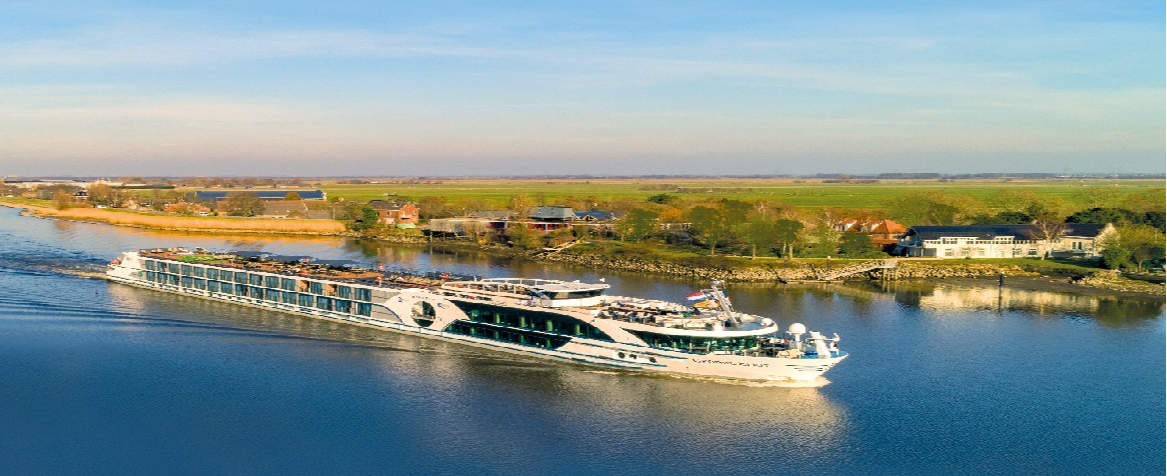
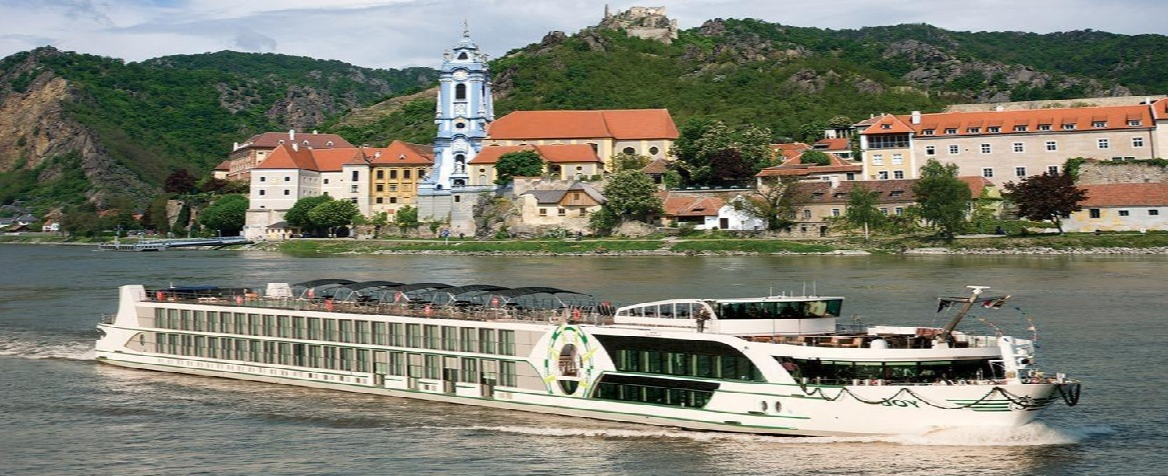
ms Savor.

ms Savor

173 Passengers
Visit the ship's page

Port of Linz am Rhein | Cruise Port Guide

Pink, sky blue, almond green, saffron yellow: the façades of Linz am Rhein seem to have been painted by a happy child. Germans call it "die Bunte Stadt am Rhein," the colourful town on the Rhine, and the nickname proves true from the gangway. The river pontoons almost touch the first houses: two minutes after docking, you pass through a medieval gate and five centuries of half-timbering unfold in a maze of pedestrian lanes. Between Bonn and Koblenz, this small town on the right bank offers one of the most immediate port calls on the river, the kind where no shuttle is needed and the pleasure begins with the first step.

Through the Rhine Gate

You enter through the Rheintor, a remnant of the 14th-century town wall, whose round towers frame the passage as in the days of tolls. On the other side, the show begins: half-timbered houses with carved and painted beams, ornate signs, balconies overflowing with geraniums in summer. The main street climbs gently to the Buttermarkt, the old butter market square and the town's beating heart, where patios vie for the shade of the town hall, in use since 1517 and one of the oldest in the Rhineland still in service. A carillon plays melodies there several times a day, and everyone looks up at the first chime.

A Prince-Elector's Castle

On the edge of the old core, Burg Linz has stood guard since 1365. The Archbishop-Electors of Cologne built it to lock down the southern border of their territory and monitor river traffic, a source of considerable customs revenue. Its thick walls now house a restaurant and activities; the inner courtyard and the wall walk can be explored in passing. A little higher up, St. Martin's Church, founded in the 12th century, watches over the rooftops from its promontory: from its forecourt, the view opens onto the river and the wooded hills opposite.

Colours, Vines and Artisan Shops

Linz is wonderful for leisurely window-shopping: ceramics studios, confectioners, a regional wine cellar where you can taste whites from the Ahr and the Middle Rhine, with the Ahr valley and its renowned Pinot Noirs just a few kilometres downstream. Food lovers stop for a slice of cake in a café with exposed beams or an ice cream enjoyed on the ramparts. Every street corner composes a different picture; photographers don't know where to point their lenses, especially in the late afternoon, when the low-angled light brightens the ochres and reds of the façades.

The River in the Leading Role

The riverside promenade completes the visit. Benches and lawns face the constant barge traffic, with the first foothills of the Siebengebirge, the seven-peaked massif that heralds Bonn, in the background. A ferry regularly links Linz to Remagen opposite, whose bridge, a famous episode at the end of the Second World War, has left surviving piers and a small peace museum. The excursion can be completed in an hour or two for those interested in modern history.

Port Call Pointers

  • Pontoons right at the foot of the historic quarter; everything is done on foot.
  • Compact pedestrian centre: half a day is enough for the highlights, strolling included.
  • Ferry to Remagen to extend the port call with a modern-history angle.
  • Cobbled lanes and gentle slopes; accessible to most walkers.

Before Heading Back on Board

At departure, the painted façades parade one last time behind the trees on the bank, like the pages of a picture book you close with regret. Linz needs neither superlatives nor long explanations: it simply adds colour to the day, and that cheerfulness travels far in passengers' memories.

Frequently Asked Questions

The pontoons practically touch the first houses, on the right bank of the Rhine between Bonn and Koblenz. Two minutes after tying up you pass through the Rheintor, the medieval gate, and enter the pedestrian lanes.
None at all. This is one of the most immediate calls on the river: everything is on foot from the pontoons, and the pleasure starts with the first step.
Because its half-timbered facades are painted pink, sky blue, almond green and saffron yellow. Germans call it die Bunte Stadt am Rhein, and the name proves itself from the gangway onward.
The Rheintor and the main street up to the Buttermarkt, the old butter market square, then Burg Linz and St Martin's church. The riverside promenade and the craft shops fill the remaining time.
The former butter market square, the beating heart of the town, where terraces compete for the shade of the town hall, in service since 1517 and one of the oldest still in use in the Rhineland. A carillon plays there several times a day.
A castle built in 1365 by the archbishop-electors of Cologne to seal the southern edge of their territory and watch river traffic, a considerable source of toll revenue. The thick walls now hold a restaurant and events; the courtyard and wall walk can be explored in passing.
The whites of the Middle Rhine and the wines of the Ahr, including its well-regarded Pinot Noirs: the Ahr valley lies a few kilometres downstream. Cellars in the centre pour them by the glass in beamed houses.
The euro. Ceramic workshops, confectioners and cafés in the centre often prefer cash, as in small German towns generally. Keep a few notes for ice cream and souvenirs.
Yes, a ferry links the two banks regularly. The Remagen bridge, a famous episode from the end of the Second World War, left standing piers and a small peace museum. The excursion takes an hour or two.
Reasonably. The pedestrian centre is compact and the slopes are gentle, but the lanes are cobbled. The call remains accessible to most walkers, provided cobbles are acceptable.