Lehnitz-Oranienburg Germany Brandenburg

49 Cruises availables At departure or passage at this port

CroisiEurope (49 Cruises)

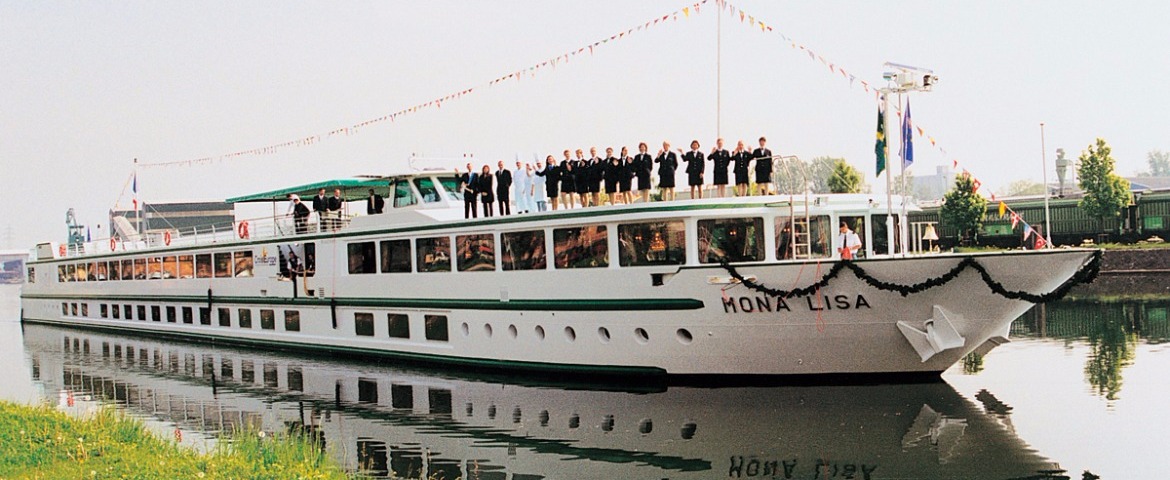
Cruise CE Croisieurope MS Mona Lisa ship

MS Mona Lisa

92 Passengers
Visit the ship's page
Cruise CE Croisieurope MS Victor Hugo ship

MS Victor Hugo

86 Passengers
Visit the ship's page

Port of Lehnitz-Oranienburg | Cruise Port Guide

The canal cuts between two walls of pines, the water takes on the colour of weak tea, and traffic grows patient: in front of the Lehnitz lock, one of the busiest on the Oder-Havel Canal, barges and boats wait their turn the way people line up at the bakery. We are at Berlin's northern gates, in the Brandenburg of lakes and forests. The stop serves Oranienburg, a town of water and memory, where a baroque palace inherited from a Dutch princess stands alongside one of Germany's most important places of remembrance.

The Canal, the Pines and the Lake

Even before going ashore, the setting deserves attention. The Oder-Havel Canal, completed in 1914 to link Berlin to the Oder, crosses the Lehnitzsee here, an elongated lake lined with discreet beaches and wooden docks. The banks lend themselves to walking: paths under the trees, a motionless heron at the edge of a cove, the scent of sun-warmed resin. This blend of hard-working infrastructure and peaceful nature sums up Brandenburg well, where water connects everything, people and landscapes alike.

A Palace from the Netherlands

In the centre of Oranienburg, a few kilometres from the stop, stands the oldest baroque palace in Brandenburg. Louise Henriette of Orange, the Dutch wife of the Great Elector Frederick William, received these lands in the 17th century and had a residence built that recalled her homeland: the town took her name, Oranienburg, the "town of Orange." According to local chronicles, the princess also introduced potato growing to Brandenburg. The rooms now house a museum showcasing porcelain, paintings and ceremonial royal silver among the richest in Prussia. The 30-hectare park, redesigned for a horticultural show, blends classical flower beds, an orangery and contemporary gardens; families will find playgrounds, fountains and welcoming lawns.

Sachsenhausen, Necessary Remembrance

Oranienburg also carries a darker history, which it acknowledges with gravity. To the north lies the Sachsenhausen Memorial, a former Nazi concentration camp where more than 200,000 people were imprisoned between 1936 and 1945. The site, preserved as a national place of remembrance, can be visited freely and at no charge: reconstructed barracks, exhibitions, silent paths. The visit requires time and a certain inner readiness; many passengers rightly consider it one of the most significant moments of their trip. It sheds light on German history as much as it honours the victims.

Between Town and Nature

For a lighter port call, the centre of Oranienburg offers shops, cafés and a pleasant marina on the Havel, where sailboats bob in front of the patios. Cyclists enjoy the network of trails that follow canals and lakes toward Malz or the green suburbs of Berlin, about 35 kilometres away. In season, an ice cream by the palace basin pleasantly rounds out the walk, while children count the boats passing through the lock.

Port Call Pointers

  • River stop on the Lehnitz side; Oranienburg town centre a few kilometres away, accessible by shuttle, taxi or regional train.
  • Palace and park in the centre of Oranienburg; allow half a day for both.
  • Sachsenhausen Memorial: free admission, allow 2 to 3 hours and dress appropriately for a place of remembrance.
  • Berlin is about 35 km to the south; some cruises offer a full-day excursion.

Before Heading Back on Board

On the way back, as the lock slowly fills its chamber, everyone gathers their impressions: the straw-yellow façade of the princely residence, the silent paths of the memorial, the pines lined up along the lake. Few port calls bring together so many facets of European history. This one does so quietly, at water level, and leaves travellers a little more attentive to the world than when they arrived.

Frequently Asked Questions

On the Lehnitz side, at one of the busiest locks on the Oder-Havel Canal, at the northern edge of Berlin. Oranienburg town centre lies a few kilometres away, reached by shuttle, taxi or regional train.
No, several kilometres separate the mooring from the centre. A shuttle, taxi or regional train is needed. The shores of the Lehnitzsee, however, can be walked straight from the quay.
Two very different options. The baroque palace of Oranienburg and its 30-hectare park for a light call, or the Sachsenhausen memorial for a sober visit. The latter needs two to three hours and a certain inner readiness.
The oldest baroque palace in Brandenburg. Louise Henriette of Orange, the Dutch wife of the Great Elector Frederick William, received these lands in the 17th century and built a residence recalling her homeland: the town took her name, Oranienburg, the town of Orange.
Porcelain, paintings and a royal ceremonial silver collection among the richest in Prussia. The 30-hectare park, redesigned for a horticultural show, mixes formal parterres, an orangery and contemporary gardens, with playgrounds and fountains for families.
The former Nazi concentration camp north of town where more than 200,000 people were held between 1936 and 1945. The site is preserved as a national place of remembrance: reconstructed barracks, exhibitions, the silence of its paths. Entry is free.
Allow two to three hours and dress appropriately for a place of remembrance. The visit takes time and a certain inner readiness. Many passengers consider it, rightly, one of the most significant moments of their journey.
The Oder-Havel Canal, completed in 1914 to link Berlin to the Oder, crosses the Lehnitzsee here, a long lake edged with quiet beaches and wooden jetties. Paths under the pines, herons at the water's edge, the smell of warm resin: this is the Brandenburg of lakes and forests.
The euro. Shops in the centre and the palace take cards, but cafés by the marina and kiosks often prefer cash. The Sachsenhausen memorial charges no admission.
Berlin lies about 35 kilometres to the south, and some cruises offer a full-day excursion. Check the onboard programme: it is not a trip to improvise alone if the call is short.