Lauterbach-Rugen Rugen Island Germany

43 Cruises availables At departure or passage at this port

CroisiEurope (43 Cruises)

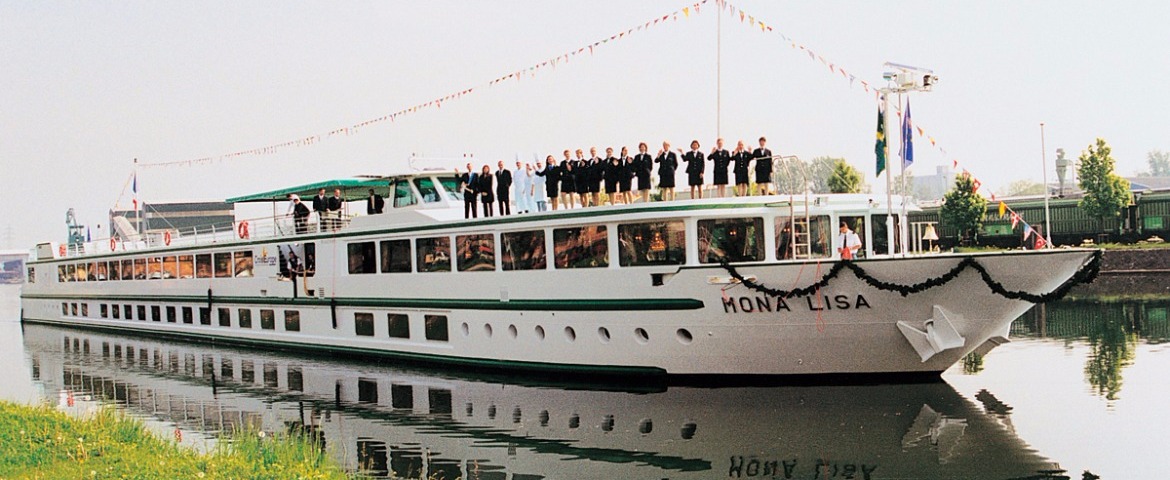
Cruise CE Croisieurope MS Mona Lisa ship

MS Mona Lisa

92 Passengers
Visit the ship's page

Port of Lauterbach, Germany | Cruise Port Guide

A whistle blast, a plume of steam above the trees: in Lauterbach, the journey continues by rail. This small harbour on the island of Rügen, on Germany's Baltic coast, is the terminus of the Rasender Roland, a narrow-gauge railway that has served Rügen's seaside resorts since 1895. River and coastal cruise ships that moor here thus offer their passengers a double port call: a peaceful shoreline and a locomotive from another century.

The Port of Putbus

Lauterbach was founded in 1816 as Rügen's first seaside resort by Prince Wilhelm Malte of Putbus, the great developer of the region. The harbour that followed served the nearby princely residence; today it welcomes a marina, smoked-fish restaurants and the small cruise vessels that ply the Baltic. From the quay, the view takes in the calm waters of the Greifswalder Bodden and a nearby wooded island, Vilm.

Aboard the Rasender Roland

The station is right at the end of the jetty: hard to resist. "Raging Roland," as Germans nickname it, runs on its 750 mm tracks through woods and fields to the great beaches of the east coast, serving the princely town, then Binz, Sellin, Baabe and Göhren. Wooden carriages, open windows, the smell of coal: the ride itself is the attraction. Many passengers go as far as Binz or Sellin to discover the white seaside architecture and the long bathing piers stretching out into the sea.

Putbus, the White Town

Two kilometres from the harbour, on foot or by train, the prince's residence lines up its immaculate neoclassical façades around a tree-planted circular square. Prince Malte dreamed of a residence worthy of the capitals; what remains is a columned theatre, rows of white houses and an immense landscaped park where peacocks and fallow deer roam among the oaks. A stroll through this orderly setting, almost unreal amid the countryside, is among the most unusual pleasures of the port call.

Vilm, the Forbidden Island Turned Reserve

Facing the marina, the island of Vilm long remained closed to the public: the leaders of the former East Germany vacationed there, away from prying eyes. Now a strictly protected nature reserve, it is home to one of the oldest unlogged beech forests in the country. Boat tours, limited to a small number of participants per day, leave from the marina and allow a guided walk around the island. Book as soon as possible if the idea appeals.

The Port Call in Practice

  • Rasender Roland station: at the foot of the jetty; tickets at the station or on board.
  • Putbus: 2 km, accessible on foot via a tree-lined avenue or one train stop.
  • Binz and Sellin: at the end of the line, allow half a day round trip.
  • Vilm Island: boat excursions with limited numbers, departing from the jetty.
  • On the quays: smoked fish and cafés facing the marina.

The Baltic of Seaside Resorts

Rügen is Germany's great holiday island, celebrated by Romantic painters for its chalk cliffs and pale beaches. Lauterbach occupies its quiet side: no crowds, reeds, sailboats, a shoreline where you can walk for a long time without meeting many people. It's another way to approach the island, through its original gateway, that of the first bathing resort.

As the ship casts off, a final locomotive whistle sometimes drifts through the trees, like a farewell. You then leave Lauterbach with a thought for the builder prince who, two centuries earlier, had it right: this corner of the Baltic was well worth getting out of the car — or off the ship — to take the train.

Frequently Asked Questions

At Lauterbach harbour, on the German Baltic, facing the calm waters of the Greifswalder Bodden. The marina also holds smoked fish restaurants and small cruise vessels, and the wooded island of Vilm lies close by.
A narrow-gauge railway serving Rügen's seaside resorts since 1895. Its station stands at the head of the pier. Wooden carriages, open windows, the smell of coal: the journey itself is the attraction.
On its 750-millimetre track, through woods and fields, it serves the princely town of Putbus, then Binz, Sellin, Baabe and Göhren, out to the big beaches of the east coast. Allow half a day round trip for Binz or Sellin.
Take the Rasender Roland to Putbus, just one stop, for the white town and its park. If time allows, continue to Binz or Sellin for the white resort architecture and the long bathing piers.
The white town, residence of Prince Wilhelm Malte of Putbus, 2 kilometres from the harbour, reachable on foot along an avenue or in one train stop. Immaculate neoclassical facades around a circular square, a colonnaded theatre and a vast landscaped park where peacocks and fallow deer roam.
A strictly protected nature reserve holding one of the oldest unmanaged beech forests in the country. It was long closed to the public: the leaders of former East Germany took their holidays there away from prying eyes.
Yes, but the boat visits leaving the marina are limited to a small number of participants per day and run as guided groups. Book as early as you can if the idea appeals: places go quickly.
The euro. The train and restaurants generally take cards, but the smoked fish counters on the quay often work in cash. Bring notes, especially for train tickets bought on board.
No, and that is the point. Rügen is Germany's great holiday island, but Lauterbach occupies its quiet side: no crowds, reeds, sailing boats, a shore where you can walk a long way without meeting many people.
The place was founded in 1816 as Rügen's first sea-bathing resort by Prince Wilhelm Malte of Putbus. The harbour that followed served the nearby princely residence; it remains the island's original doorway, that of the first bathing establishment.