Lahnstein Germany Rhineland-Palatinate
253
Cruises availables
At departure or passage at this port
AmaWaterways (252 Cruises)
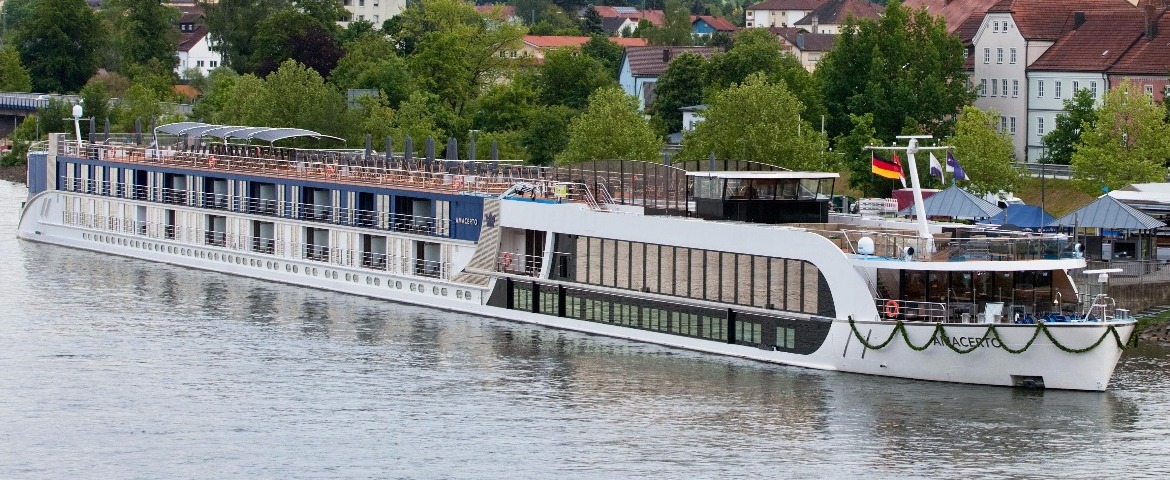
AmaCerto
26 Cruises

| 13 March | 12 days | One-way from Amsterdam to Basel |
450-628-6241
Call us
|
| 31 March | 8 days | One-way from Nuremberg to Luxembourg City |
450-628-6241
Call us
|
| 12 May | 8 days | One-way from Nuremberg to Luxembourg City |
450-628-6241
Call us
|
| 26 May | 8 days | One-way from Basel to Amsterdam |
450-628-6241
Call us
|
| 3 July | 12 days | One-way from Amsterdam to Basel |
450-628-6241
Call us
|
| 21 July | 8 days | One-way from Nuremberg to Luxembourg City |
450-628-6241
Call us
|
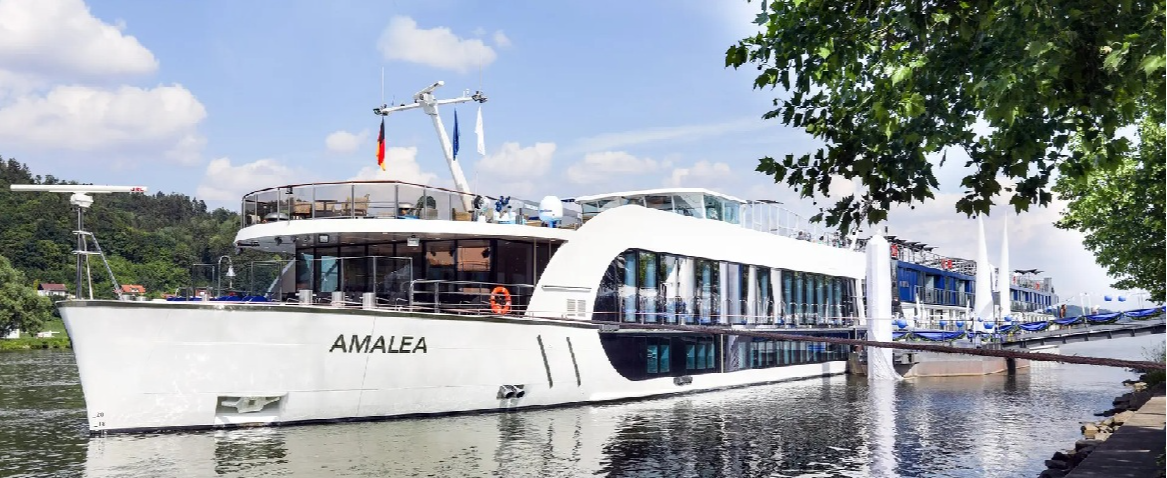
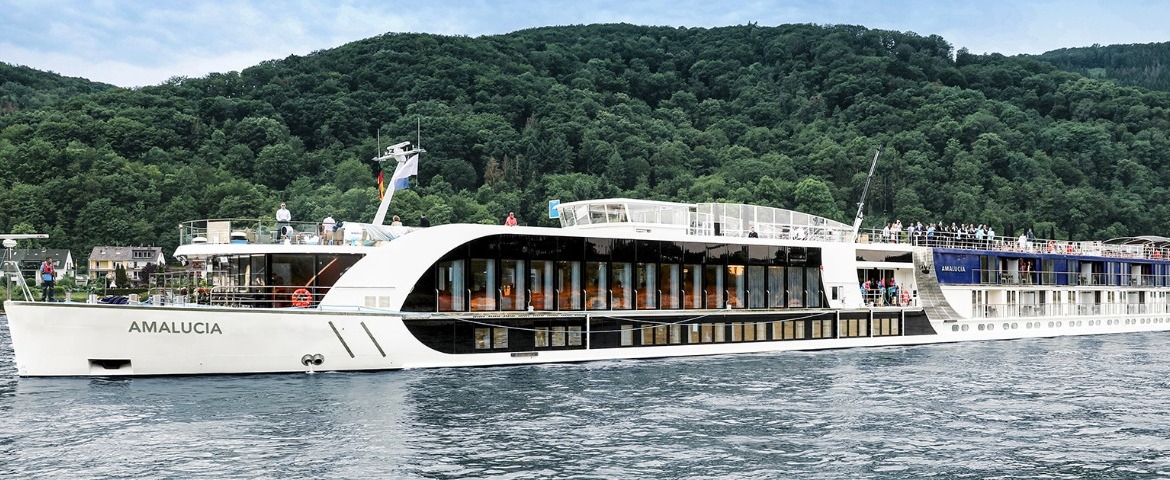
AmaLucia
26 Cruises
| 6 May | 8 days | One-way from Basel to Amsterdam |
450-628-6241
Call us
|
| 20 May | 8 days | One-way from Basel to Amsterdam |
450-628-6241
Call us
|
| 3 June | 8 days | One-way from Basel to Amsterdam |
450-628-6241
Call us
|
| 17 June | 8 days | One-way from Basel to Amsterdam |
450-628-6241
Call us
|
| 1 July | 8 days | One-way from Basel to Amsterdam |
450-628-6241
Call us
|
| 29 July | 8 days | One-way from Basel to Amsterdam |
450-628-6241
Call us
|
| 12 August | 8 days | One-way from Basel to Amsterdam |
450-628-6241
Call us
|
| 26 August | 8 days | One-way from Basel to Amsterdam |
450-628-6241
Call us
|
| 9 September | 8 days | One-way from Basel to Amsterdam |
450-628-6241
Call us
|
| 23 September | 8 days | One-way from Basel to Amsterdam |
450-628-6241
Call us
|
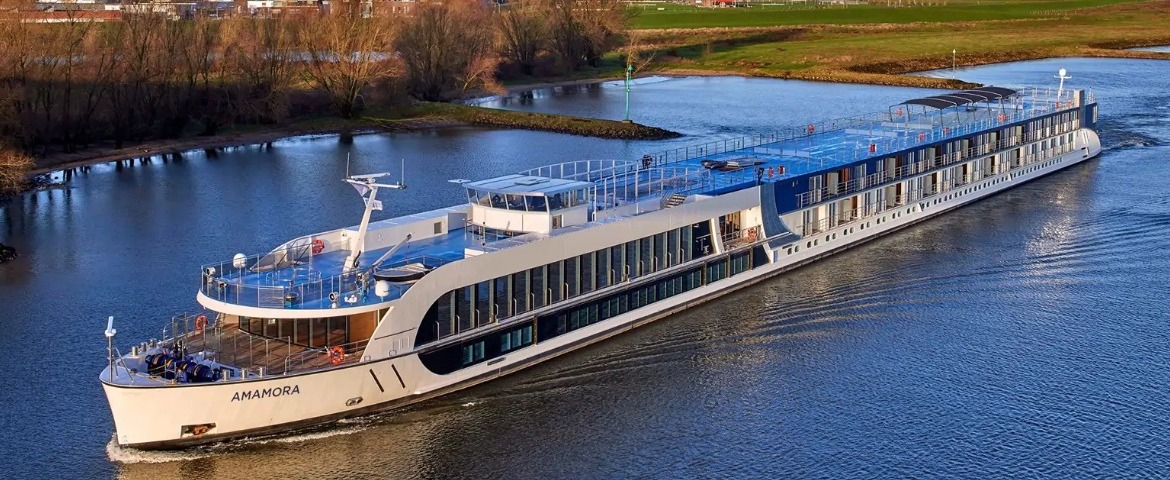
AmaPrima
33 Cruises
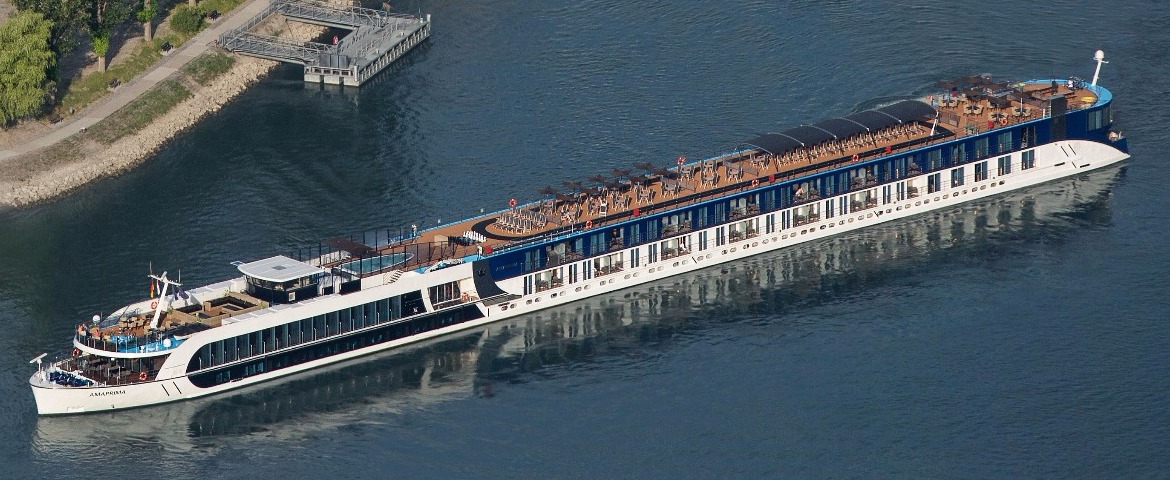
| 12 June | 12 days | One-way from Amsterdam to Basel |
450-628-6241
Call us
|
| 30 June | 8 days | One-way from Nuremberg to Luxembourg City |
450-628-6241
Call us
|
| 4 September | 12 days | One-way from Amsterdam to Basel |
450-628-6241
Call us
|
| 22 September | 8 days | One-way from Nuremberg to Luxembourg City |
450-628-6241
Call us
|
| 23 October | 8 days | One-way from Basel to Amsterdam |
450-628-6241
Call us
|
| 30 October | 12 days | One-way from Amsterdam to Basel |
450-628-6241
Call us
|
| 10 June | 12 days | One-way from Amsterdam to Basel |
450-628-6241
Call us
|
| 28 June | 8 days | One-way from Nuremberg to Luxembourg City |
450-628-6241
Call us
|
AmaSerena
31 Cruises
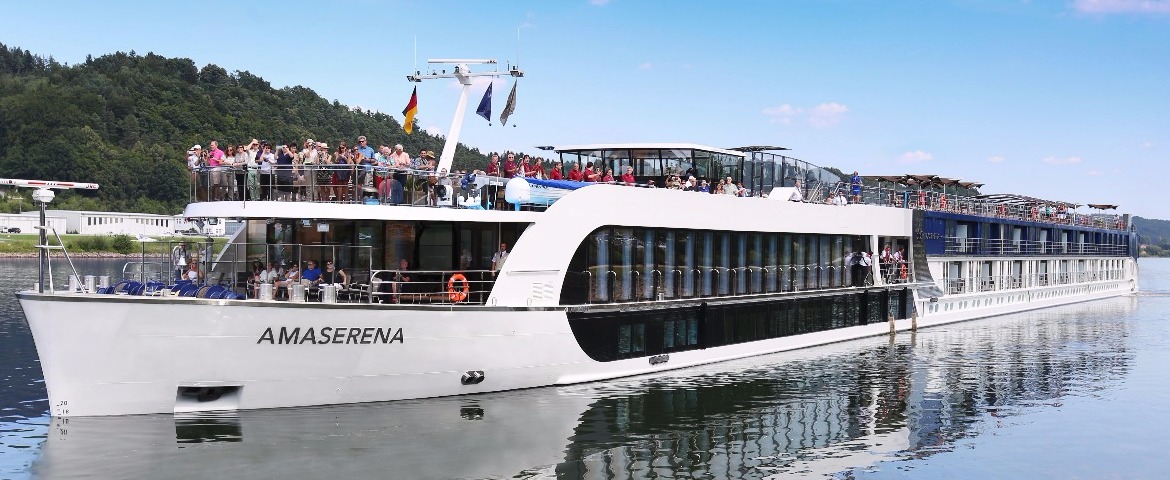
| 27 October | 8 days | One-way from Basel to Amsterdam |
450-628-6241
Call us
|
| 27 October | 7 days | One-way from Basel to Amsterdam |
450-628-6241
Call us
|
| 11 May | 8 days | One-way from Basel to Amsterdam |
450-628-6241
Call us
|
| 25 May | 8 days | One-way from Basel to Amsterdam |
450-628-6241
Call us
|
| 8 June | 8 days | One-way from Basel to Amsterdam |
450-628-6241
Call us
|
| 22 June | 8 days | One-way from Basel to Amsterdam |
450-628-6241
Call us
|
| 6 July | 8 days | One-way from Basel to Amsterdam |
450-628-6241
Call us
|
| 20 July | 8 days | One-way from Basel to Amsterdam |
450-628-6241
Call us
|
| 14 September | 8 days | One-way from Basel to Amsterdam |
450-628-6241
Call us
|
| 28 September | 8 days | One-way from Basel to Amsterdam |
450-628-6241
Call us
|
| 12 October | 8 days | One-way from Basel to Amsterdam |
450-628-6241
Call us
|
| 26 October | 8 days | One-way from Basel to Amsterdam |
450-628-6241
Call us
|
AmaSiena
30 Cruises
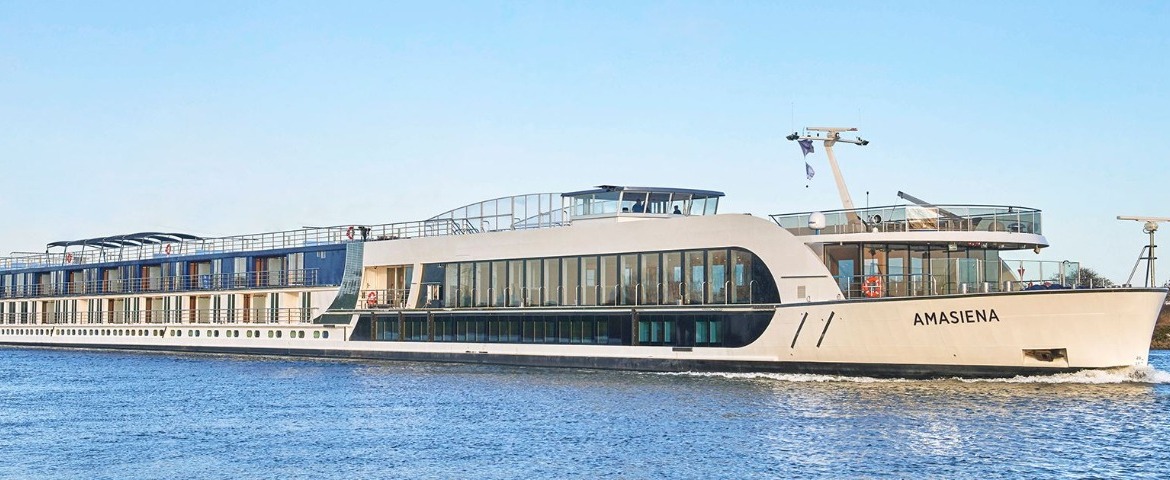
| 13 May | 8 days | One-way from Basel to Amsterdam |
450-628-6241
Call us
|
| 27 May | 8 days | One-way from Basel to Amsterdam |
450-628-6241
Call us
|
| 5 August | 8 days | One-way from Basel to Amsterdam |
450-628-6241
Call us
|
| 19 August | 8 days | One-way from Basel to Amsterdam |
450-628-6241
Call us
|
| 12 March | 8 days | One-way from Basel to Amsterdam |
450-628-6241
Call us
|
| 12 March | 7 days | One-way from Basel to Amsterdam |
450-628-6241
Call us
|
| 20 July | 7 days | One-way from Basel to Amsterdam |
450-628-6241
Call us
|
| 20 July | 8 days | One-way from Basel to Amsterdam |
450-628-6241
Call us
|
AmaStella
38 Cruises
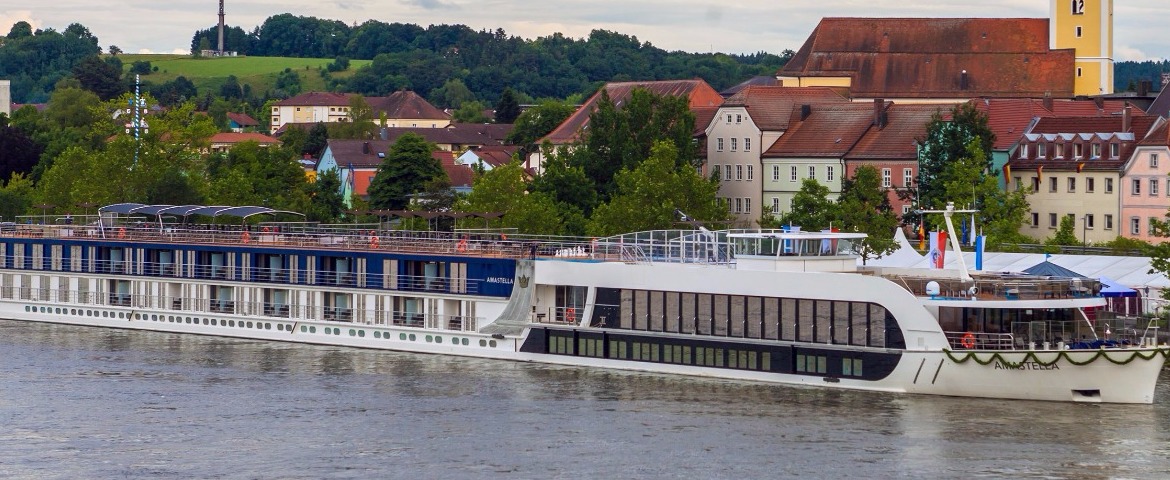
| 14 March | 8 days | One-way from Basel to Amsterdam |
450-628-6241
Call us
|
| 28 March | 8 days | One-way from Basel to Amsterdam |
450-628-6241
Call us
|
| 11 April | 8 days | One-way from Basel to Amsterdam |
450-628-6241
Call us
|
| 25 April | 8 days | One-way from Basel to Amsterdam |
450-628-6241
Call us
|
| 9 May | 8 days | One-way from Basel to Amsterdam |
450-628-6241
Call us
|
| 23 May | 8 days | One-way from Basel to Amsterdam |
450-628-6241
Call us
|
| 6 June | 8 days | One-way from Basel to Amsterdam |
450-628-6241
Call us
|
| 20 June | 8 days | One-way from Basel to Amsterdam |
450-628-6241
Call us
|
| 12 September | 8 days | One-way from Basel to Amsterdam |
450-628-6241
Call us
|
| 26 September | 8 days | One-way from Basel to Amsterdam |
450-628-6241
Call us
|
| 13 August | 8 days | One-way from Basel to Amsterdam |
450-628-6241
Call us
|
| 13 August | 7 days | One-way from Basel to Amsterdam |
450-628-6241
Call us
|
AmaVenita
31 Cruises
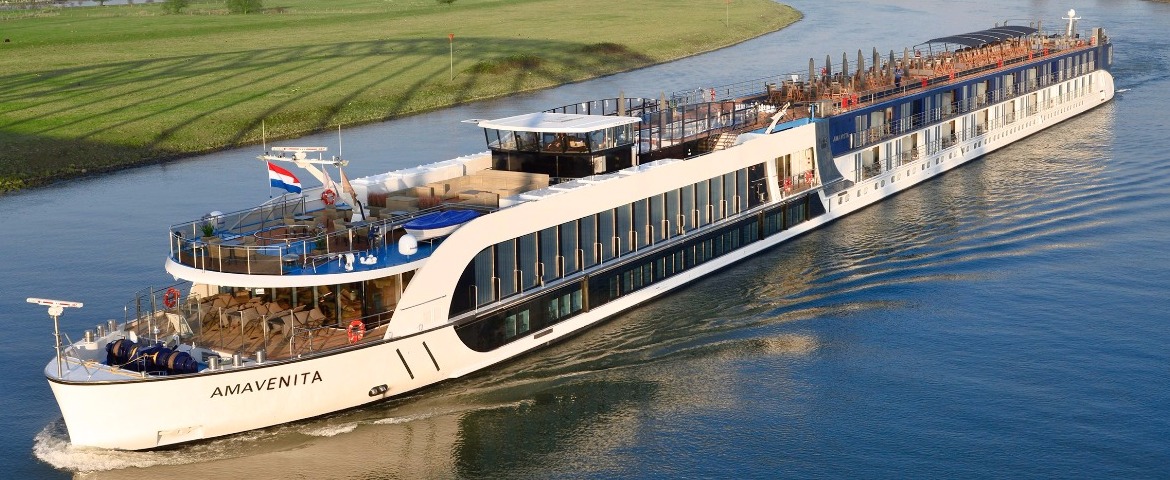
| 13 July | 8 days | One-way from Basel to Amsterdam |
450-628-6241
Call us
|
| 27 July | 8 days | One-way from Basel to Amsterdam |
450-628-6241
Call us
|
| 10 August | 8 days | One-way from Basel to Amsterdam |
450-628-6241
Call us
|
| 24 August | 8 days | One-way from Basel to Amsterdam |
450-628-6241
Call us
|
| 7 September | 8 days | One-way from Basel to Amsterdam |
450-628-6241
Call us
|
| 21 September | 8 days | One-way from Basel to Amsterdam |
450-628-6241
Call us
|
AmaViola
31 Cruises
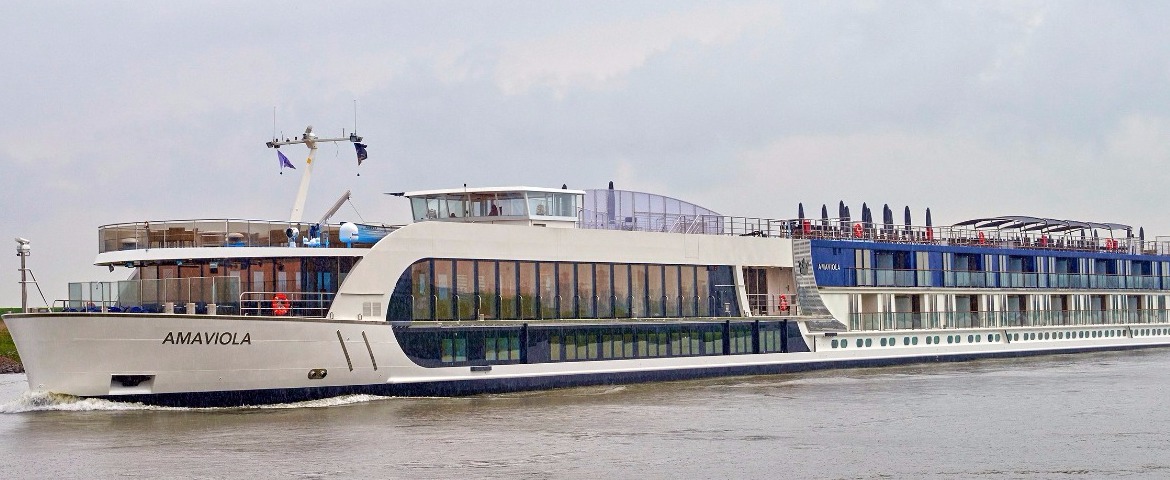
| 13 June | 8 days | One-way from Basel to Amsterdam |
450-628-6241
Call us
|
| 27 June | 8 days | One-way from Basel to Amsterdam |
450-628-6241
Call us
|
| 11 July | 8 days | One-way from Basel to Amsterdam |
450-628-6241
Call us
|
| 25 July | 8 days | One-way from Basel to Amsterdam |
450-628-6241
Call us
|
| 8 August | 8 days | One-way from Basel to Amsterdam |
450-628-6241
Call us
|
| 22 August | 8 days | One-way from Basel to Amsterdam |
450-628-6241
Call us
|
| 5 September | 8 days | One-way from Basel to Amsterdam |
450-628-6241
Call us
|
| 19 September | 8 days | One-way from Basel to Amsterdam |
450-628-6241
Call us
|
CroisiEurope (1 Cruises)


Port of Lahnstein | Cruise Port Guide
Frequently Asked Questions
Along the Rhine, at the mouth of the Lahn, less than 10 kilometres upstream from Koblenz. The old quarter of Oberlahnstein is a walk from the quay.
A fortress built in the 13th century by the Archbishop of Mainz to guard the edge of his territory, perched on a spur above the Lahn. It has kept its pentagonal keep, its Gothic chapel and rooms furnished with panelling and armour.
On foot, by a steady climb from town, or by a short taxi ride. Visits are guided and depend on the season: check on board before setting out. From the terraces the view drops onto the confluence and the slate roofs.
Travelling up the Lahn in 1774, Goethe was struck by the silhouette of the then-ruined castle and dedicated his poem Geistesgruß to it. The castle still carries that memory, and guided tours also recount the house legends.
Whole sections of the medieval wall, punctuated by towers including the pointed-roofed Hexenturm, the witches' tower. The lanes gather half-timbering, courtyards of former wine estates and terraced squares. The old timber-framed town hall is among the prettiest in the region.
The only hilltop castle on the Middle Rhine never destroyed in seven centuries, on the right bank above Braubach, about 3 kilometres away. The tour, guided only, passes through the medieval kitchen, knights' hall, armoury and gun battery.
It calls for proper shoes: uneven stairs and cobbles throughout, and the visit is by guided group only. It is not an outing suited to anyone who has trouble walking.
The old quarter of Oberlahnstein and the riverside Martinsburg, then Burg Lahneck or the Marksburg depending on your legs. Many cruises run their main excursion to Braubach and the Marksburg.
The euro. Castles and restaurants generally take cards, but cafés in the Oberlahnstein lanes often prefer cash. Keep a few notes.
Yes. The Rheinsteig ridge trail on the right bank passes directly by Burg Lahneck. The Lahn valley, quieter and less known, unfolds meadows and wooded slopes toward Bad Ems. An hour beside the Lahn is enough to change the mood entirely.


