Konigswinter Germany North Rhine-Westphalia

38 Cruises availables At departure or passage at this port

CroisiEurope (38 Cruises)
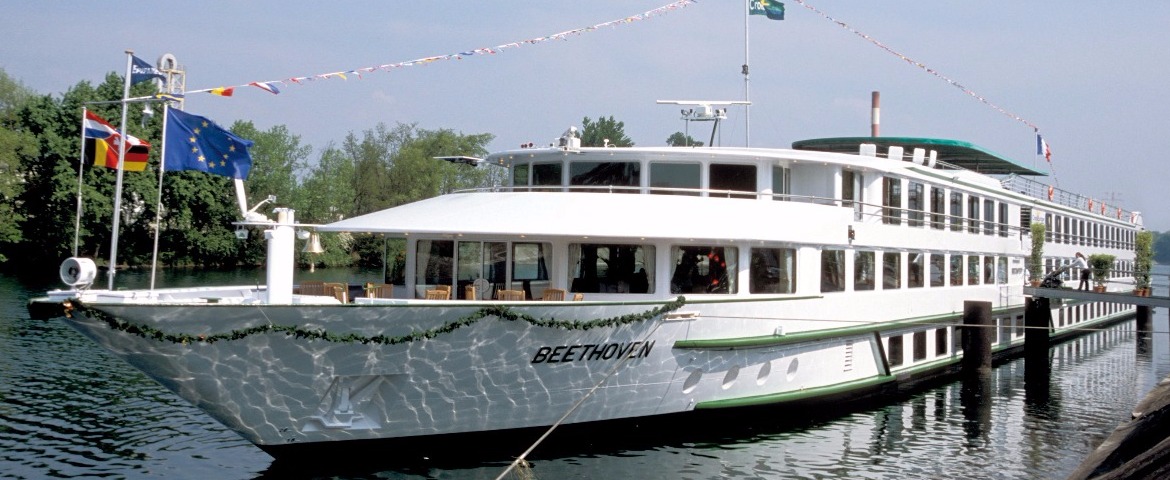
Cruise CE Croisieurope MS Symphonie ship

MS Symphonie

105 Passengers
Visit the ship's page

Port of Königswinter | Cruise Port Guide

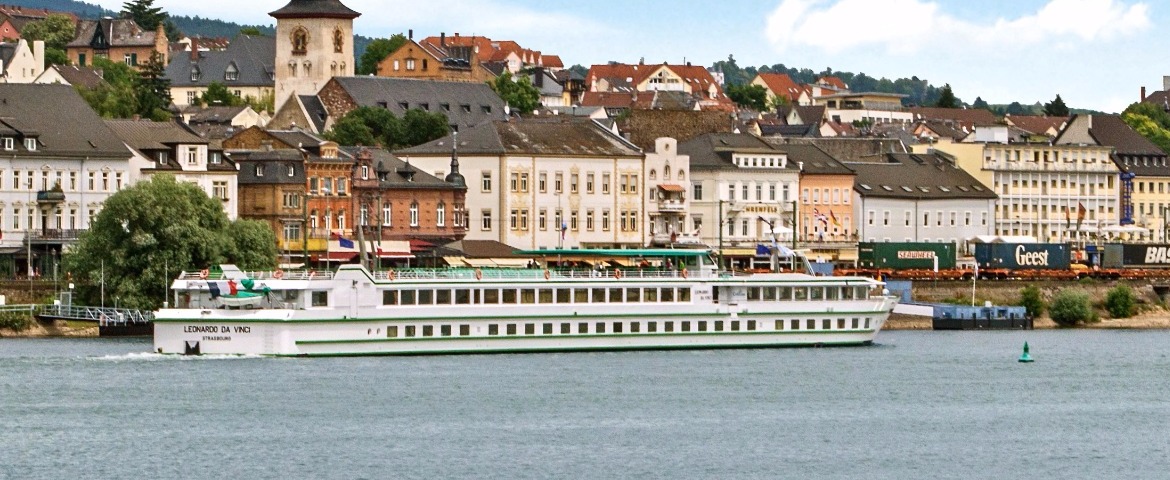
Long before docking, one silhouette draws every eye on the upper deck: a rocky peak crowned with a ruin, rising above vineyards and forests. This is the Drachenfels, the "Dragon's Rock," the most famous summit of the Siebengebirge, the Seven Mountains range that borders the right bank of the Rhine opposite Bonn. At its foot, Königswinter lines its pale façades along the river. The pontoon is right in front of the small town: a few steps are all it takes to leave the gangway and enter the story of a legend.

A Dragon, a Hero and a Mountain

According to the Nibelungen legend, it was in a cave on this hill that Siegfried slew the dragon before bathing in its blood to become invulnerable. The tale fuelled the German Romantic imagination, inspired Heine and Turner, drew generations of poets and made this mountain one of the most visited places in the region since the 19th century, when the first English tourists travelled up the valley aboard steamboats. The ruin crowning the summit is very real: a 12th-century castle, dismantled during the Thirty Years' War, whose lone arch stands out against the sky.

Germany's Oldest Rack Railway

To reach the summit, one means of transport is a heritage site in itself: the Drachenfelsbahn, a rack railway opened in 1883, the oldest still in service in the country. Its lower station can be reached on foot from the landing, through the streets of the old town. The glass-windowed cars climb about a kilometre and a half through woods and vineyards, and the ascent reveals ever-wider views over the valley. The combined ticket lets you stop halfway and then continue up on the next train, an ideal option for a port call. Walkers can also take the paved trail that winds beneath the trees, a steady climb of about 45 minutes.

Drachenburg, a Dream Castle

Halfway up, a stop at Schloss Drachenburg is a must. Built in barely two years, between 1882 and 1884, for a financier who never slept there, this palace piles up turrets, gables and state rooms in an unabashed blend of neo-Gothic and Romantic styles. The restored interiors, terraces and park open up sweeping views toward Bonn and the river; the stained-glass windows of the great hall, reconstructed after the war, alone deserve a moment's attention. The railway's middle station serves the estate entrance directly, making it easy to combine the castle and the summit in a single outing.

Up Top, the Rhine as Far as the Eye Can See

From the platform crowning the mountain, more than 300 metres above sea level, the river traces a wide silvery curve between the hills. On clear days, the view reaches all the way to the spires of Cologne. Barge convoys seem motionless, vineyards cling to the slopes, and you understand why Grand Tour travellers considered this panorama one of the most beautiful in Europe. A modern pavilion, the Drachenfelsplateau, offers a restaurant and terraces to prolong the view.

Port Call Pointers

RouteApproximate time
River pontoon → Drachenfelsbahn station5- to 10-minute walk
Rack railway ride to the topAbout ten minutes
Middle station → Schloss DrachenburgShort walk
Footpath to the ruinAbout 45 minutes

Before Heading Back on Board

Back down by the river, there is often time left to stroll along the riverside promenade, ice cream in hand, watching the ships go by. Königswinter can be visited in half a day, but the dragon's mountain stays with those who have climbed it for a long time. At departure time, as the rock slowly recedes in the wake, everyone takes away their own version of the legend.

Frequently Asked Questions

The pontoon lies directly in front of the small town, on the right bank of the Rhine opposite Bonn. A few steps take you from the gangway into the old town streets.
The dragon's rock, the best-known summit of the Siebengebirge, the Seven Mountains range along the right bank of the Rhine. The ruin on top is a 12th-century castle, dismantled during the Thirty Years' War, whose lone arch stands against the sky.
By the Drachenfelsbahn, a rack railway opened in 1883, the oldest still running in Germany. Its lower station is a walk from the landing stage. Walkers can also take the paved path, a steady climb of about 45 minutes.
The Rhine drawing a wide silver curve between the hills, from more than 300 metres up. In clear weather the view reaches the spires of Cologne. A modern pavilion offers a restaurant and terraces for lingering.
A palace built in barely two years, between 1882 and 1884, for a financier who never slept there. Turrets, gables and state rooms pile up in an unapologetic blend of neo-Gothic and Romantic styles. The railway's middle station serves its entrance directly.
The rack railway to the summit, with a stop halfway for Schloss Drachenburg. The combined ticket lets you continue on the next train. That still leaves time for the riverside promenade before departure.
According to the Nibelungen legend, it was in a cave on this hill that Siegfried slew the dragon before bathing in its blood to become invulnerable. The story fed German Romantic imagination and inspired Heine and Turner.
The euro. The rack railway and the castle take cards, but ice cream stands and cafés on the riverside promenade often prefer cash. Bring a few notes.
Very much so. The rack railway appeals to children straight away, the dragon legend gives the outing a thread, and the summit is reached effortlessly if you take the train rather than the path.
Not necessarily. The rack railway handles the climb, and the old town crosses in a few minutes. The paved path to the summit remains an option for those who want the effort: allow about 45 steady minutes.