Dresden Germany Saxony
326
Cruises availables
At departure or passage at this port
Emerald Waterways (14 Cruises)
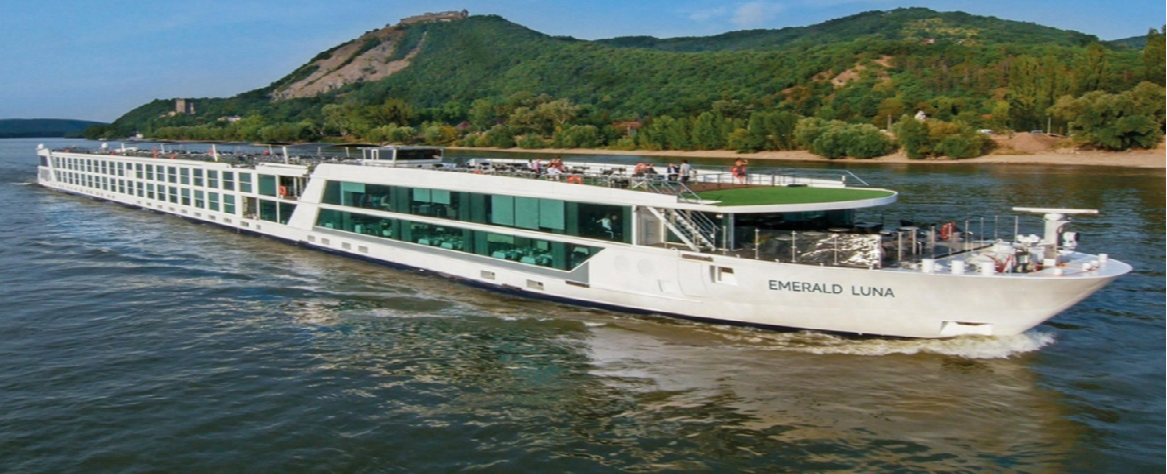

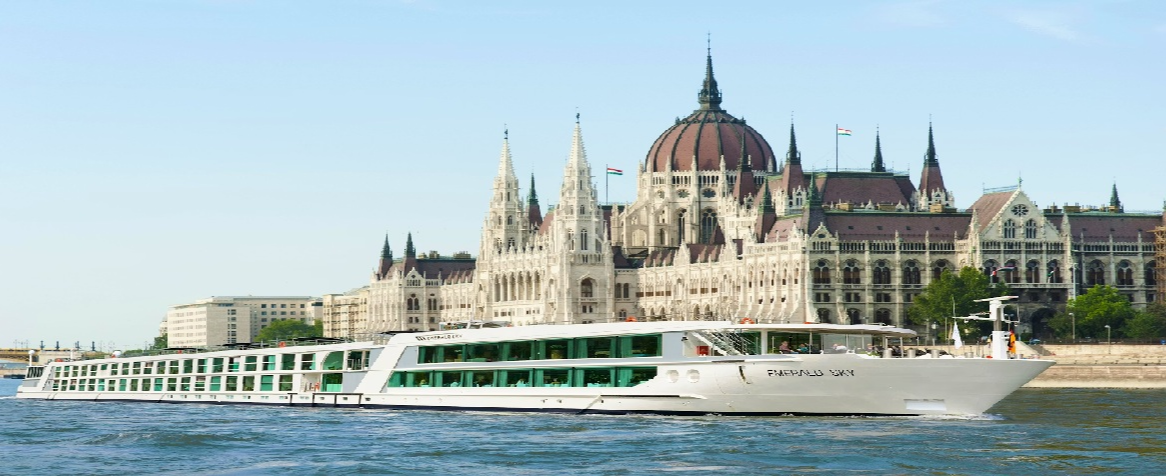
Emerald Star
6 Cruises
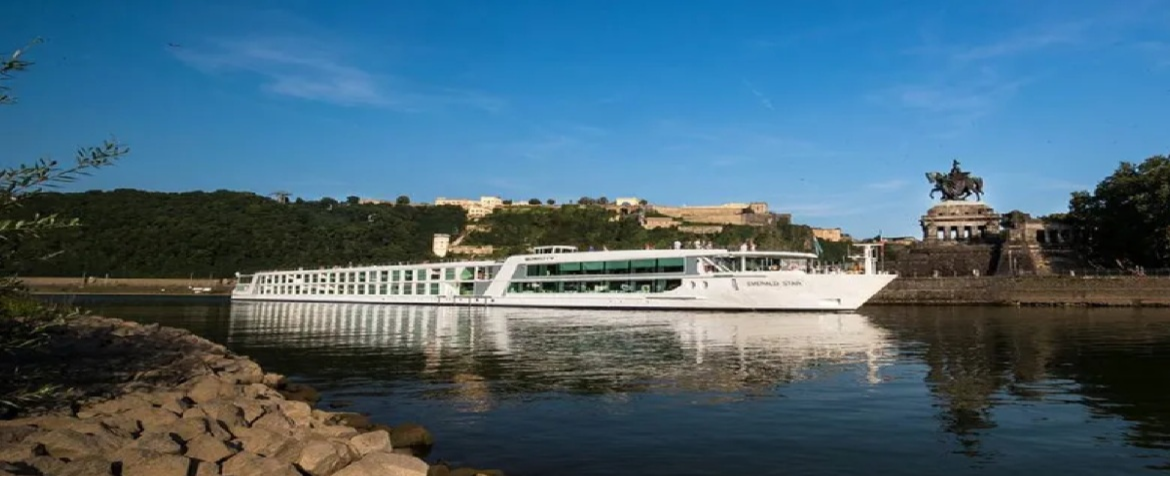
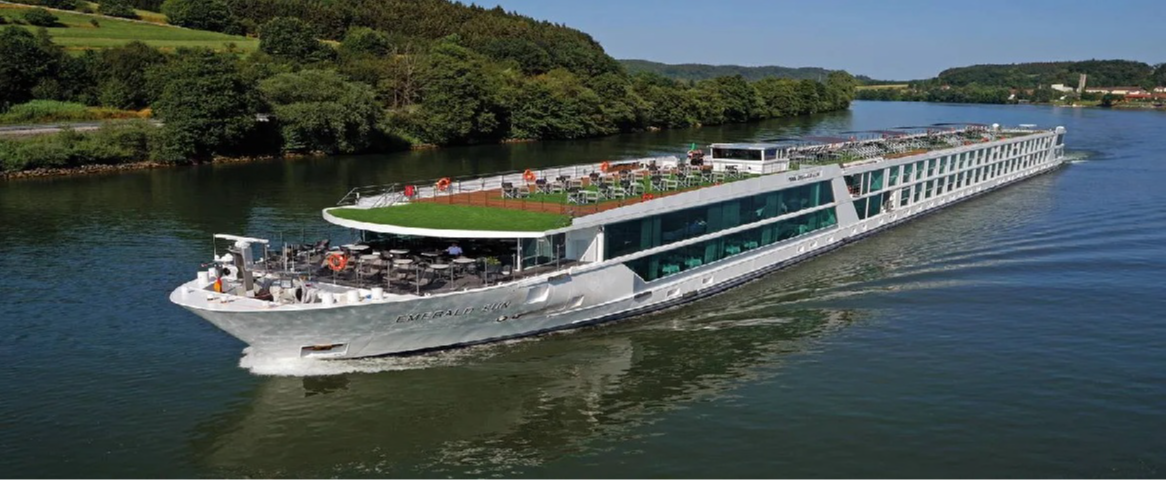
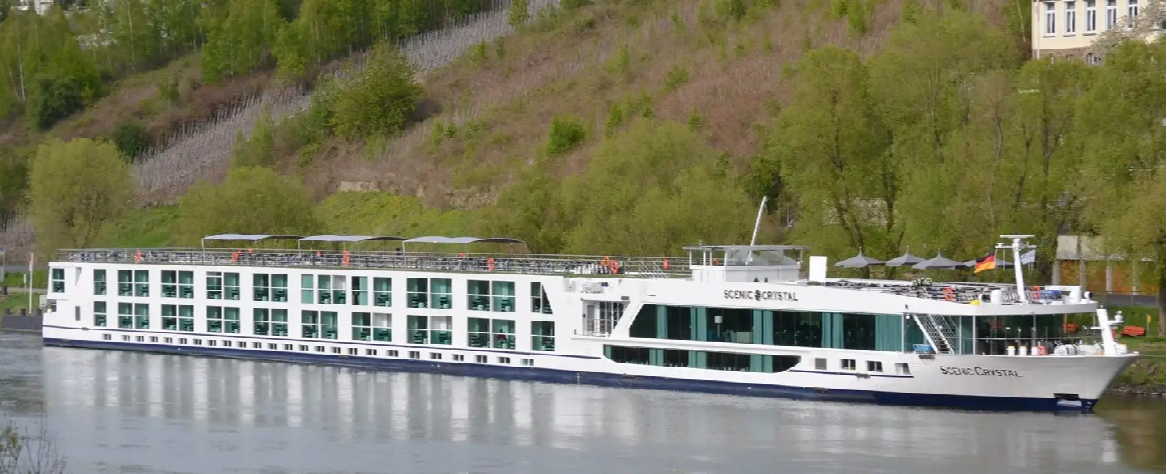
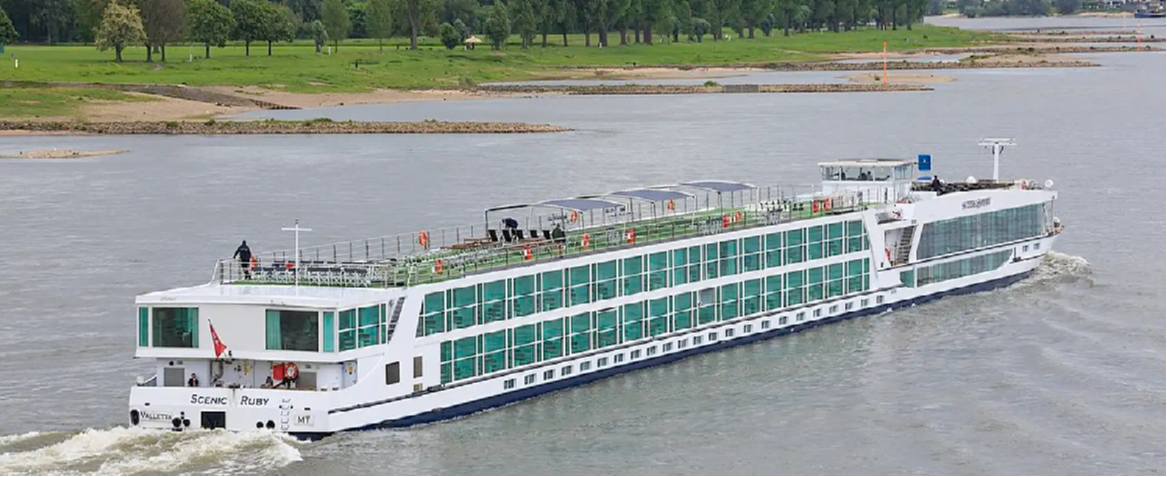
Scenic Cruises (12 Cruises)

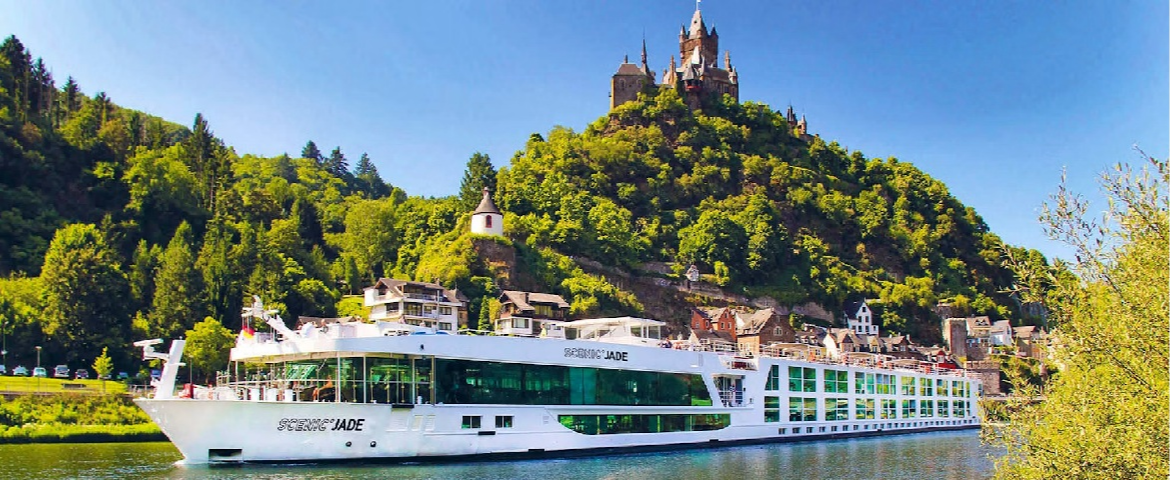
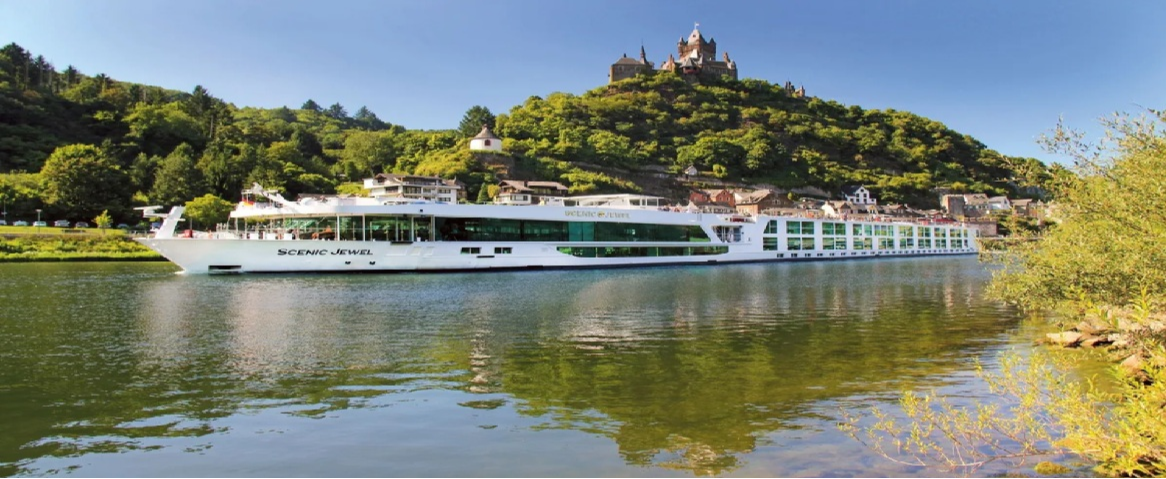
Scenic Jewel
6 Cruises
Viking River Cruises (300 Cruises)
Viking Longships Astrid
149 Cruises
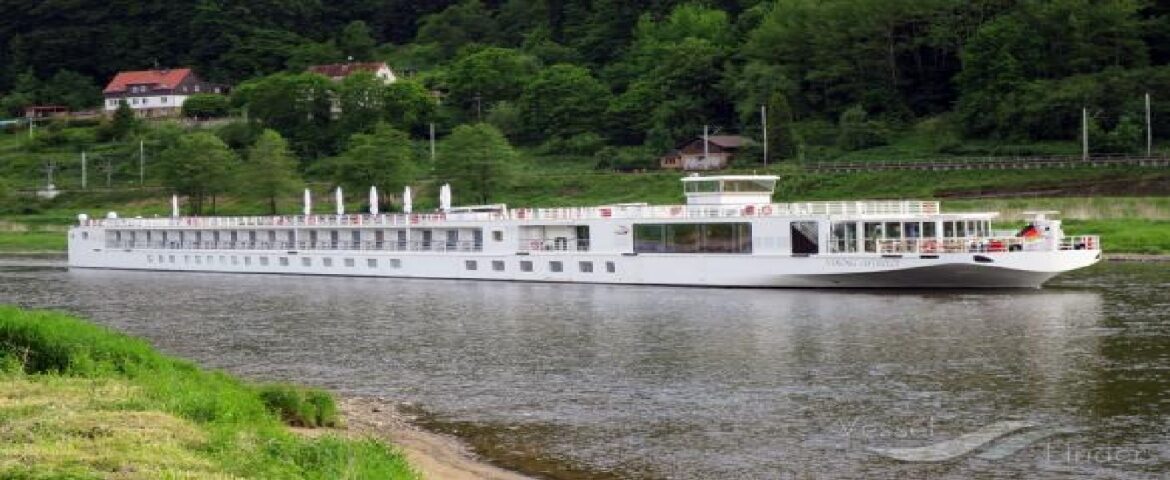

| 24 October | 5 days | One-way from Decin to Lutherstadt Wittenberg |
450-628-6241
Call us
|
| 29 October | 6 days | One-way from Lutherstadt Wittenberg to Decin |
450-628-6241
Call us
|
Viking Longships Beyla
151 Cruises
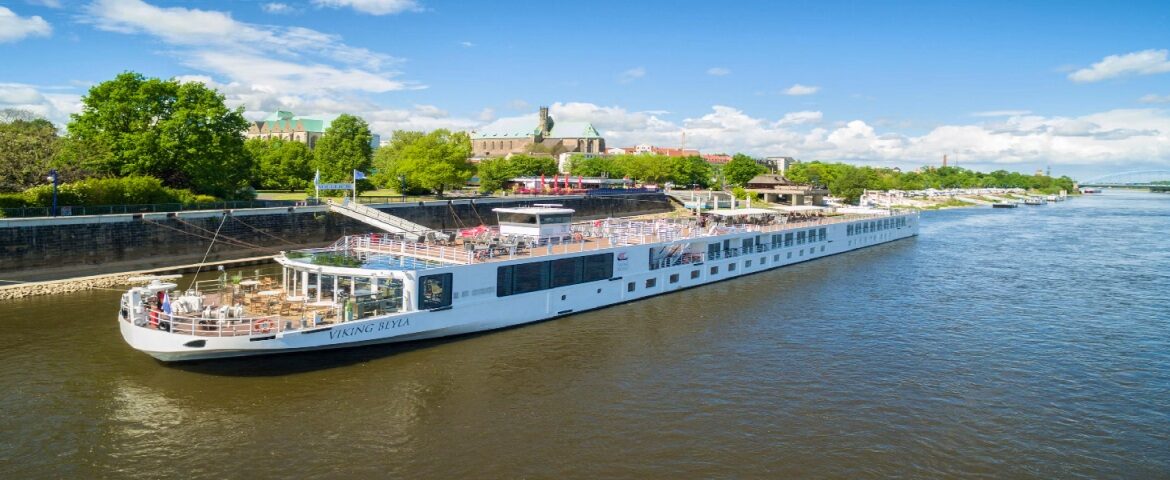
| 24 October | 5 days | One-way from Lutherstadt Wittenberg to Decin |
450-628-6241
Call us
|
| 29 October | 5 days | One-way from Decin to Lutherstadt Wittenberg |
450-628-6241
Call us
|
Port of Dresden, Germany | Cruise Port Guide
Frequently Asked Questions
At the Terrassenufer, in the heart of the historic centre. The Frauenkirche, the palace and the opera house are less than five minutes' walk from the landing stage. Few cultural capitals offer such direct access.
Because of the skyline that 18th-century Venetian painters fixed forever: domes, spires and palaces ranged above the river, reflected in still water. Arriving by the Elbe, you find exactly the view Canaletto set down on canvas.
This baroque masterpiece collapsed after the fire caused by the bombing of February 1945, then stood for half a century as a preserved ruin serving as a memorial. Its reconstruction, completed in 2005 thanks to donations from around the world, mixed thousands of blackened blocks recovered from the rubble with new stone: the light and dark chequerboard is clearly visible on the facade.
Yes, the dome can be climbed for a full panorama over the rebuilt rooftops. The interior, with its milky, gilded elegance, surprises with its light: you sit for a few minutes in silence, even with no intention of prayer.
A garden in stone designed for the festivities of the Saxon court, with pavilions, fountains and statue-lined balustrades, a few streets from the Frauenkirche. Its galleries hold first-rank collections, including Raphael's Sistine Madonna and a dazzling porcelain collection.
Because it was the consuming passion of Augustus the Strong, who made Meissen, upstream on the river, the birthplace of European porcelain. The Zwinger collection bears witness, and the Procession of Princes is another spectacular proof.
The Procession of Princes, a mural about a hundred metres long on the street beside the palace, showing eight centuries of Saxon rulers on horseback, made of thousands of Meissen porcelain tiles. Miraculously, it came through the war almost intact.
A raised promenade above the river, once nicknamed the balcony of Europe: paddle steamers, hillsides and bridges make up the scene. It is the natural extension of a walk through the historic quarter, steps from the landing stage.
Century-old paddle steamers visible from the Brühl Terrace, among the oldest such fleets still operating anywhere. Their excursions run up the Elbe toward the vineyards and castles of the surrounding area.
The Neustadt, with its bourgeois baroque facades, student cafés, the alternative Kunsthofpassage quarter of artists' courtyards, and a famous 19th-century dairy. It is the living counterpoint to the solemnity of the historic bank.


