La Voulte-sur-Rhone France
70
Cruises availables
At departure or passage at this port
CroisiEurope (70 Cruises)
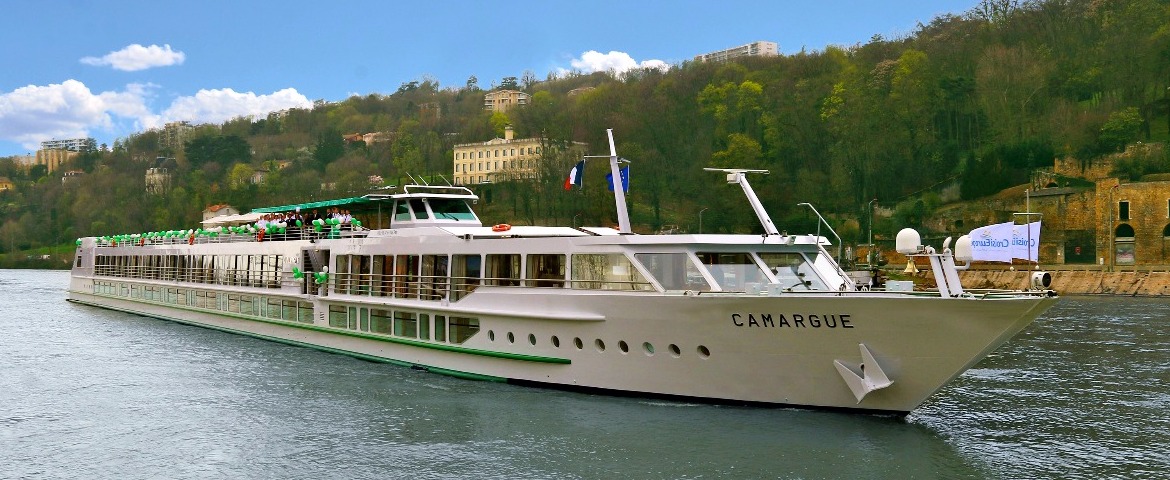
MS Camargue
25 Cruises

| 1 April | 6 days | Round-trip from Lyon, France |
450-628-6241
Call us
|
| 6 April | 6 days | Round-trip from Lyon, France |
450-628-6241
Call us
|
| 18 April | 7 days | Round-trip from Lyon, France |
450-628-6241
Call us
|
| 6 May | 7 days | Round-trip from Lyon, France |
450-628-6241
Call us
|
| 19 May | 6 days | Round-trip from Lyon, France |
450-628-6241
Call us
|
| 24 May | 7 days | Round-trip from Lyon, France |
450-628-6241
Call us
|
| 9 June | 7 days | Round-trip from Lyon, France |
450-628-6241
Call us
|
| 22 June | 7 days | Round-trip from Lyon, France |
450-628-6241
Call us
|
| 15 September | 7 days | Round-trip from Lyon, France |
450-628-6241
Call us
|
| 28 September | 7 days | Round-trip from Lyon, France |
450-628-6241
Call us
|
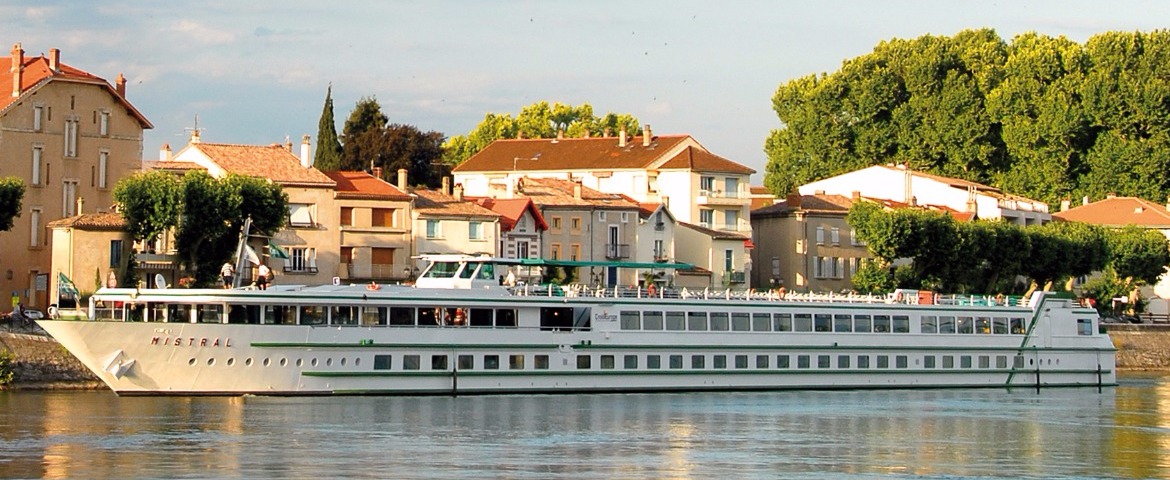
MS Mistral
9 Cruises
MS Princesse d'Aquitaine
19 Cruises

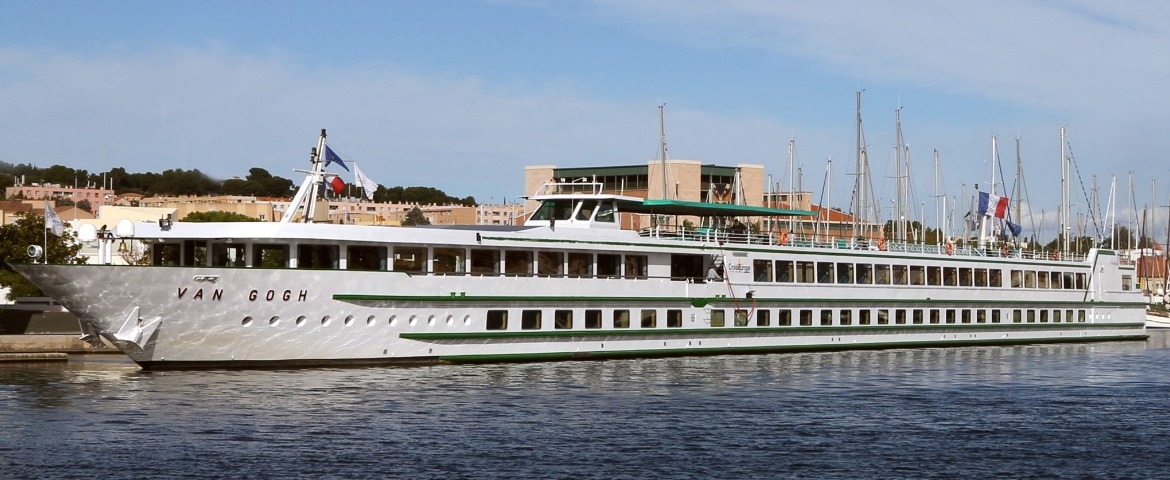
MS Van Gogh
17 Cruises
| 20 July | 7 days | Round-trip from Lyon, France |
450-628-6241
Call us
|
| 26 July | 6 days | Round-trip from Lyon, France |
450-628-6241
Call us
|
| 31 July | 7 days | Round-trip from Lyon, France |
450-628-6241
Call us
|

La Voulte-sur-Rhône France | Rhône River Cruise & Ardèche Guide
Frequently Asked Questions
Right at the foot of the old town, on the Ardèche bank of the Rhône. The landing is a few minutes from the first lanes, so no shuttle is needed.
Climb to the castle through the lanes of the old castral village, see the Chapelle des Princes if it is open, then the remains of the former foundries by the river. Half a day is plenty.
It is the castle's treasure: a chapel built around 1487 and listed as a historic monument since 1923. Under its ribbed vaults the carving mixes Renaissance and Mannerist work, with a Resurrection of Christ, evangelist medallions and angels' heads.
It is short but steep and cobbled, so wear proper shoes. The terraces then open wide views over the river and the hills of the Drôme on the far bank.
Not always. Access depends on municipal opening hours or guided tours. Ask when you land rather than climbing for nothing.
Because the town was a centre of French iron and steel in the 19th century. A company founded in 1823 built four coke-fired blast furnaces here, working from 1828. The plant closed in 1889 and the mines in 1892.
The remains, protected as historic monuments, still stand near the river like a silent industrial cathedral. They are a rare witness to France's early steel industry.
No, and that is the usual disappointment here. The Jurassic fossil bed at La Voulte, which yielded the oldest known octopus, is famous among palaeontologists, but the collections are displayed at the Muséum de l'Ardèche further south at Balazuc.
Yes. The banks hold the Printegarde nature reserve, where herons and kites fly over the backwaters. Riverside paths lead up the Eyrieux valley, through orchards and hilltop villages.
It suits children who are happy to walk. The town is tiny and has no attraction built for them; the appeal is the lanes, the views and the riverside. In summer, free concerts and festivals regularly liven up the village.


