Kotka Finland

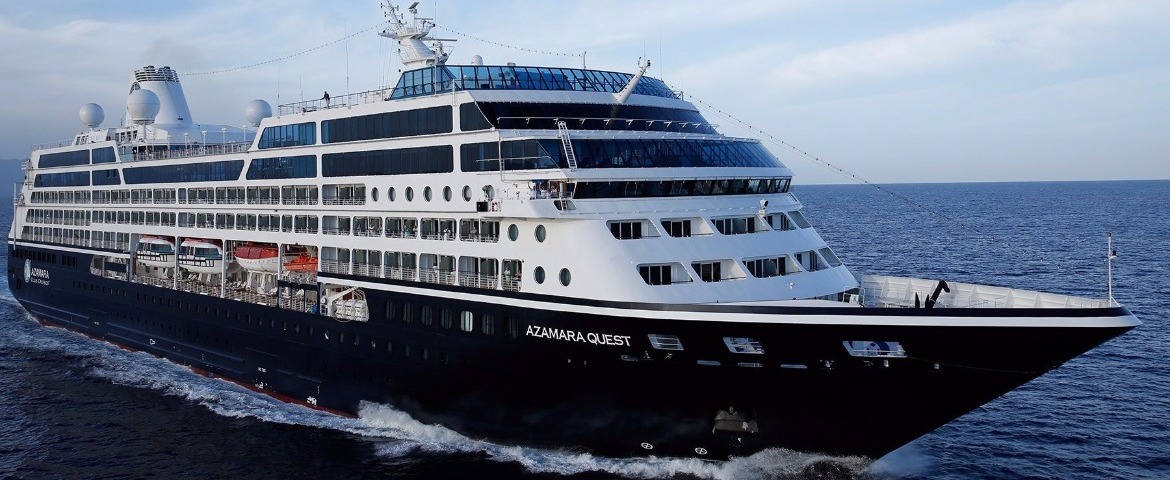
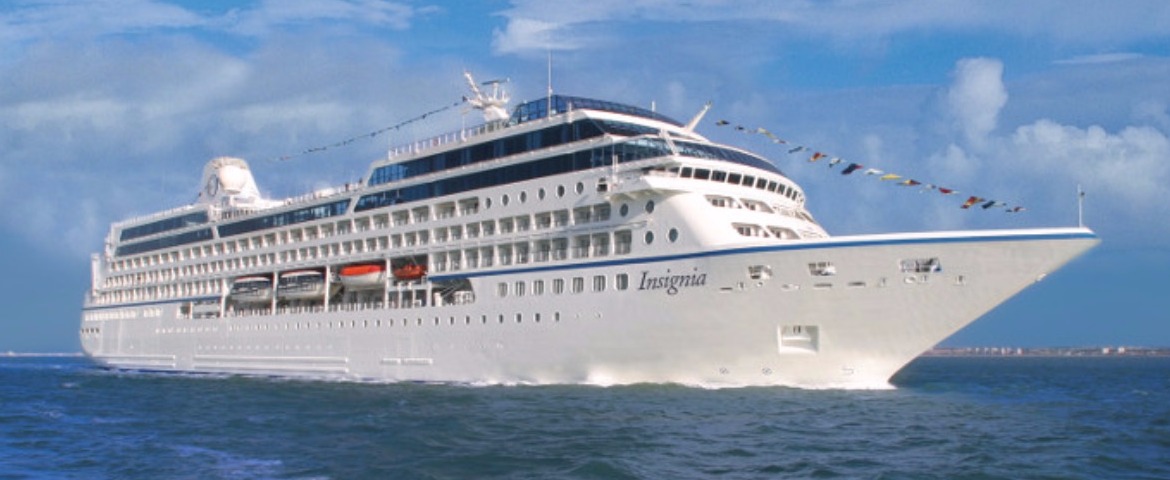
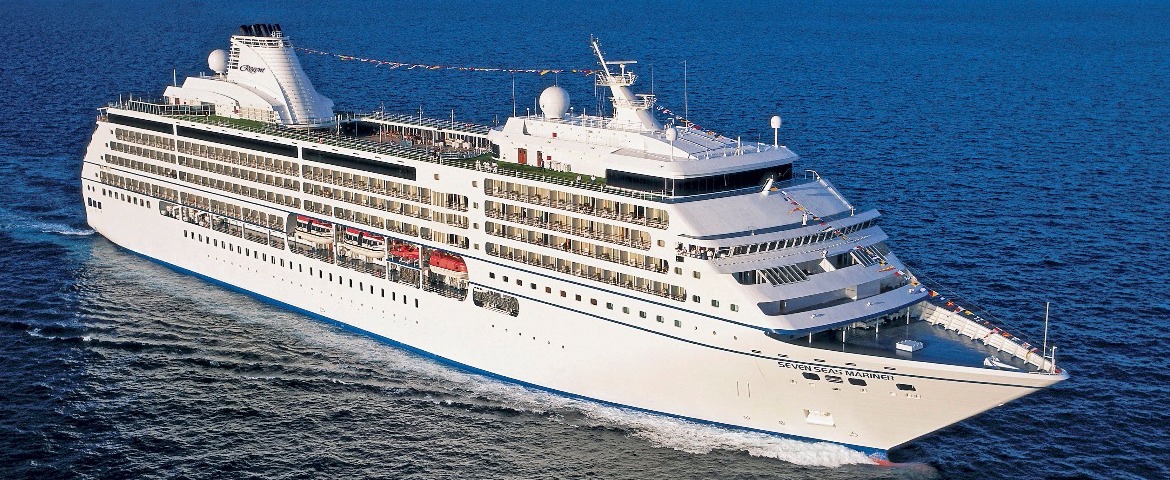
16 Cruises availables At departure or passage at this port

Discover Kotka, Finland, with Sapokka Water Garden, Maritime Centre Vellamo, the Gulf of Finland archipelago and beautiful coastal parks

Kotka was built on an island, where the Kymijoki River meets the Baltic. That location explains everything: the sawmills of the past, the large export port, and the locals' habit of living facing the water. For passengers stepping ashore, the surprise lies elsewhere: behind the cranes and warehouses hides a city of parks and well-tended gardens, regularly honoured for its green spaces.

Two Possible Piers

Depending on the size of the ship, docking takes place downtown, on Kotka Island, about 600 m from the market square, or at the Mussalo terminal, from which shuttles take passengers to the centre. In the first case, everything is done on foot; in the second, the ride takes only a few minutes. Once at the market square, the main attractions are within an easy radius to cover during a port call.

Vellamo, Finland's Maritime Memory

On the docks of the old Kantasatama harbour, a contemporary building with a wave-shaped roof houses the Vellamo Maritime Centre. A single ticket gives access to the Maritime Museum of Finland, the Kymenlaakso regional museum and the coast guard museum. Navigation, shipwrecks, fishing and lighthouse life: the collections tell the story of a country that has always earned its living from the water. Models and restored boats captivate enthusiasts and hurried visitors alike, and the rooftop terrace offers a wide view over the harbour basins.

Sapokka Water Garden

A short walk from the centre, around a sheltered cove, Sapokka Water Garden is the city's pride and joy. A waterfall tumbles down a granite wall, footbridges span ponds and flowerbeds, and polished stones dot the lawns like so many sculptures. The garden has won several landscaping awards, and you quickly understand why: every season creates a different picture. The benches facing the small marina invite a pause before moving on.

Beneath the Surface, the Maretarium

Close by, the Maretarium presents the fish of Finland's lakes and coasts in some thirty aquariums. Pike, salmon, whitefish and burbot swim in water drawn directly from the nearby sea. The visit is especially popular with families and rounds out the maritime theme of the port call nicely.

Strolling Through a Green City

Between visits, Kotka's streets lead from one park to the next: flower gardens, shaded paths and scattered sculptures. St. Nicholas Orthodox Church, surrounded by trees, recalls the era when the region lived to the rhythm of the Russian Empire, while the market stalls liven up the heart of the city on weekdays. Here are a few useful landmarks:

  • Market square: cafés, stalls and the starting point for visits.
  • Kantasatama and Vellamo: about 1 km from the square.
  • Sapokka and the Maretarium: to the south, within walking distance.
  • Orthodox church: in Isopuisto Park, between the centre and Sapokka.

The River and the Rapids

The excursions offered during port calls often head to the Kymijoki Valley, known for its rapids and salmon fishing. The river long served as the border between Sweden and Russia, and its banks still feature imperial pavilions and workers' villages. It's a great way to grasp the region's strategic role, provided you have a few hours.

Heading back to the gangway, many passengers carry one specific image: a waterfall amid the granite, just steps from the port cranes. Kotka cultivates this contrast between industry and garden, and it is what gives this Finnish port call its special flavour.

Frequently Asked Questions

Depending on size, downtown on Kotka island about 600 metres from the market square, or at the Mussalo terminal, from which shuttles reach the centre in a few minutes.
Because the Kymijoki river meets the Baltic there. That position explains everything: the sawmills of old, the great export port, and the local habit of living facing the water.
A contemporary building with a wave-shaped roof, on the quays of the old Kantasatama harbour about a kilometre from the market square. One ticket covers the Maritime Museum of Finland, the Kymenlaakso regional museum and the coastguard museum.
Navigation, shipwrecks, fishing, lighthouse life: the collections tell the story of a country that has always made its living on the water. The models and restored boats hold the attention of enthusiasts and hurried visitors alike, and the roof terrace opens over the basins.
The water garden that is Kotka's pride, a short walk from the centre around a sheltered inlet. A waterfall drops down a granite wall, walkways cross pools and flowerbeds, and polished stones punctuate the lawns like sculptures.
Yes, and it has the awards to back it. Behind the cranes and warehouses lies a town of parks and carefully kept gardens, regularly honoured: the streets lead from one green space to the next, scattered sculptures included.
An aquarium presenting the fish of Finland's lakes and coasts in some thirty tanks, close to Sapokka. Pike, salmon, whitefish and burbot swim in water drawn directly from the sea next door. Families do well here.
Because the region long lived under the rhythm of the Russian Empire. St Nicholas church, ringed by trees in Isopuisto park between the centre and Sapokka, bears witness to it.
The Kymijoki valley, known for its rapids and salmon fishing. The river long formed the border between Sweden and Russia, and its banks keep imperial pavilions and workers' villages. It takes a few hours to make the most of it.
Start at the market square, then Vellamo, then Sapokka and the Maretarium to the south: everything is within walking distance. It is the contrast between industry and garden that gives the call its flavour, a granite waterfall a stone's throw from the harbour cranes.