Klaksvik Bordoy, Faroe Islands
Faroe Islands

42 Cruises availables At departure or passage at this port

Seabourn Cruise Line (42 Cruises)

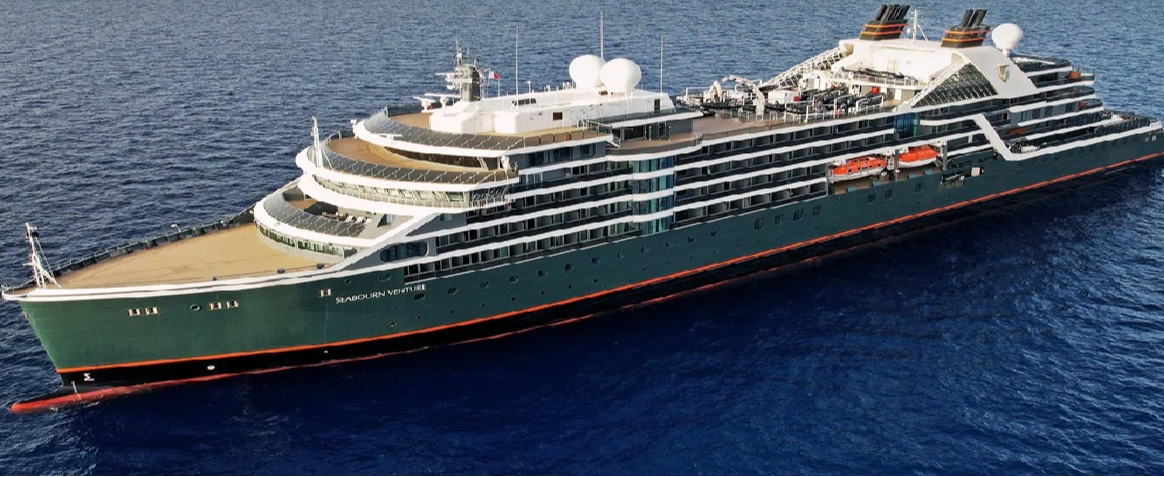
Seabourn Venture

Seabourn Venture

Visit the ship's page

Port of Klaksvík, Faroe Islands | Cruise Port Guide

The ship slows between two rows of mountains that drop straight into the sea. At the head of the inlet, dark-roofed houses cling to the slopes of Borðoy, and fishing boats glide slowly back to their berths. Klaksvík, the second-largest town in the Faroe Islands with some 5,000 residents, lives first and foremost from fishing, and it shows the moment you arrive: stacked nets, colourful hulls, the smell of salt and fresh fish.

From Ánir Pier to Downtown

Cruise ships usually dock at the north basin, near the hamlet of Ánir, about 3 km from the centre. A free shuttle links the pier to the tourist information office in the heart of town; most cruise lines also run their own service. The ride takes about ten minutes and follows the shoreline, with the island's peaks as a backdrop. Those who prefer to walk can follow the coastal road, which is flat and open.

A Town Born of the Sea

Klaksvík sits on a narrow isthmus between two bays, which explains its nickname as the fishing capital of the Faroes. The working harbour remains the real highlight of the call: trawlers under repair, crates of cod, fishers chatting on the docks. Strolling along the basins offers a close look at an industry that has sustained the archipelago for generations. The shopping streets, clustered around the centre, are lined with wool shops, cafés and small grocery stores where you can find locally knitted sweaters.

Christianskirkjan, the Stone Church

You can't miss the massive silhouette of Christianskirkjan, built in 1963. It is the largest church in the Faroe Islands, and its architecture draws on the old Nordic farm churches: rough stone walls, a soaring roof and an interior bathed in soft light. A traditional boat hanging from the ceiling recalls the enduring bond between faith and the sea on these islands. The church is just a few minutes' walk from the centre.

A Laboratory Frozen in Time

The town holds an unexpected discovery: a former chemistry laboratory turned museum. The building first housed a fabric shop that opened in 1919, before serving as a laboratory from 1932 to 1961. Bottles, instruments and shelves have been left in place, as if the chemist had just stepped out. An adjoining room displays traditional Faroese tools, from fishing gear to everyday objects. The visit is short, but it says a great deal about island life in the last century.

Mountains All Around

Wherever you are in Klaksvík, green slopes close off the horizon. Fit hikers can climb the heights above the town to take in the bays, the rooftops and the neighbouring islands in a single sweep; the trail is steep and the weather changes quickly, so good shoes and a rain jacket are a must. Others can settle for a stroll along the waterfront, where the play of light on the hillsides is enough to hold the eye. On clear days, the outlines of Kunoy and Kalsoy stand out to the north.

Tips for Your Port Call

  • Bring warm, waterproof clothing, even in summer: wind and drizzle are part of the scenery.
  • Both the Danish krone and the Faroese króna are accepted; credit cards are taken almost everywhere.
  • On Sundays, many shops close; churches and trails, however, remain open.
  • Allow half a day for the highlights, more if you add a hike.

By the time you head back on board, the town already feels familiar: a few streets, a stone church, boats returning to port. Klaksvík doesn't try to impress. It simply shows how people have always lived, between the mountains and the North Sea — and that is exactly what stays with you as the peaks of Borðoy fade into the ship's wake.

Frequently Asked Questions

Usually at the north basin near the hamlet of Ánir, about 3 kilometres from the centre. A free shuttle links the quay to the tourist information office downtown in about ten minutes.
Yes, along the coast road, flat and open, with the island's peaks behind. It is 3 kilometres from the quay: perfectly walkable, though the free shuttle exists for anyone who would rather save their legs for the town.
Fishing, and you see it on arrival: stacked nets, painted hulls, the smell of salt and fresh fish. The second town of the Faroe Islands with some 5,000 people, it sits on a narrow isthmus between two bays, which earned it the nickname of the Faroese fishing capital.
The working harbour, which remains the real spectacle of the call: trawlers under repair, crates of cod, fishermen talking on the quays. Wandering along the basins means watching an industry that has supported the archipelago for generations.
The largest church in the Faroe Islands, built in 1963, a few minutes' walk from the centre. Its architecture draws on old Nordic farm churches: rough stone walls, a soaring roof, soft light. A traditional boat hung from the vault recalls the bond between faith and the sea.
Yes, and it surprises people: a former chemistry laboratory turned museum. The building held a fabric shop opened in 1919, then a laboratory from 1932 to 1961. Bottles, instruments and shelves remain in place as though the chemist had just stepped out. A neighbouring room displays old Faroese tools.
Yes, up to the heights above the town, for a single view over the bays, the roofs and the neighbouring islands. The path climbs steeply and the weather turns fast: proper shoes and a waterproof are essential.
A stroll along the water, where the shifting light on the slopes is enough to hold the eye, then the shopping streets in the centre: wool shops, cafés and small grocers selling locally knitted sweaters. On a clear day, Kunoy and Kalsoy stand out to the north.
Half a day for the essentials, more if a hike is added. The town fits into a few streets: this is a call that asks nobody to rush.
Both the Danish and the Faroese króna are used, and cards are accepted almost everywhere. On Sundays several shops close; the churches and the trails stay open.