Cabrits Dominica
Dominica

40 Cruises availables At departure or passage at this port

Star Clippers (40 Cruises)

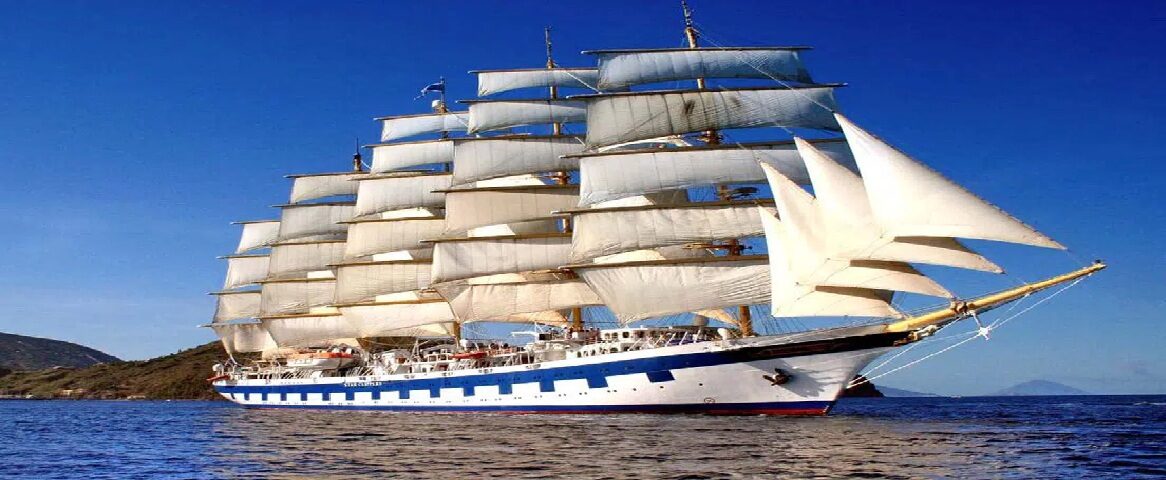
Royal Clipper

Royal Clipper

333 Passengers
4425 tons
Visit the ship's page

Port of Cabrits, Dominica | Cruise Port Guide

Two extinct volcanic hills, linked to the mainland by a marshy isthmus: the Cabrits Peninsula guards the northern edge of Prince Rupert Bay, in northwestern Dominica. Its name is thought to come from the goats ("cabrits") that passing sailors once left to graze here, a walking larder for the next crossing. The port of call sits right inside a national park, a near-unique arrangement in the Caribbean. No sooner has the gangway been crossed than the tone is set: the forest runs right down to the water, frigatebirds circle above the anchorage, and the first military ruins emerge from the trees just five minutes' walk away.

Fort Shirley, a Garrison Reclaimed from the Undergrowth

The British fortified these heights starting in 1765 to keep watch over the channel separating Dominica from French Guadeloupe. Fort Shirley housed up to six hundred soldiers spread across barracks, powder magazines, and gun batteries. Long swallowed by jungle, the site has been patiently cleared and restored: today visitors wander its parade grounds, cisterns, and volcanic stone walls in the company of lizards. From the ramparts, the view takes in the entire harbour, where sailboats trace white commas across the water; a single glance is enough to understand why strategists once fought over this stretch of sea. The site's history goes well beyond a military footnote. In 1802, Caribbean soldiers of the 8th West India Regiment mutinied here against their conditions; that uprising weighed on London's decision, five years later, to free all enslaved soldiers serving in the British army.

Trails to the Two Peaks

From the garrison, marked trails climb toward the peninsula's twin heights. The climb to West Cabrits takes about thirty minutes beneath tall trees, amid birdsong and gleaming roots; gaps in the canopy open onto views of the bay, the village of Portsmouth, and the surf whitening at the foot of the slopes. Hikers will recognize this as the endpoint of the Waitukubuli National Trail: this 185-kilometre hiking route, the longest in the Caribbean, crosses the entire island and completes its final stretch right here at the Cabrits.

Reefs and Wetlands

The park also protects what's less obvious at first glance. The isthmus wetlands are home to herons and land crabs, while coral formations line Douglas Bay, just north of the peninsula. A mask and snorkel are all that's needed to spot parrotfish and sea fans just metres from shore, in water that's generally calm and sheltered from the trade winds. The ruined batteries that once guarded this cove now sleep beneath strangler figs, just steps from beach towels — artillery and swimming have rarely made such easy neighbours.

Portsmouth, Across the Bay

Three kilometres from the landing point, Portsmouth lines up its low houses between the beach and the hills. Visitors come here for the market, for the fishing boats, and above all for the mouth of the Indian River, where licensed oarsmen guide their wooden canoes beneath a canopy of mangroves. The outing, short and quiet, pairs easily with a visit to the fortifications within the same half-day.

Later in the day, many walk back on their own, with no shuttle and no lineup, as the low light warms the garrison's walls. Few ports of call offer such a shortcut: stepping, in just a few strides, from a ship's deck into the heart of a protected space where history and forest have called a truce.

Practical Notes

  • The dock sits within Cabrits National Park: an entrance fee applies to the sites, often included in excursions.
  • Fort Shirley is a five-minute walk away, along a gently sloping path.
  • Closed-toe shoes are recommended: the trails stay damp for much of the year.
  • Taxis and guides wait just outside the landing point; agree on the price before setting off.

Frequently Asked Questions

At the quay located inside Cabrits National Park itself, an arrangement close to unique in the Caribbean. Barely off the gangway, the forest runs down to the water and the first military ruins emerge from the trees a five-minute walk away.
Yes. Fort Shirley is five minutes away on a gently sloping path, and the trails to the twin peaks start at the garrison. Only Portsmouth, three kilometres off, needs a taxi — or a good walk for the hardy.
Fort Shirley and its esplanades, the climb to West Cabrits — about thirty minutes — then snorkelling in Douglas Bay just to the north. The Indian River trip from Portsmouth fits comfortably into the same half day.
A British garrison fortified from 1765 to watch the channel separating Dominica from French Guadeloupe. It housed up to six hundred soldiers across barracks, powder magazines and gun batteries. Long swallowed by jungle, it has been patiently cleared and restored: you now walk the esplanades and cisterns in the company of lizards.
The West Indian soldiers of the 8th West India Regiment rose here against their condition. That mutiny weighed on London's decision, five years later, to free all enslaved soldiers in the British army. The history of the place goes well beyond military anecdote.
The climb to West Cabrits takes about thirty minutes under tall trees, among birdsong and glossy roots. It is not technical, but the paths stay damp much of the year: closed shoes are recommended. Gaps in the canopy open onto the bay and the village of Portsmouth.
Yes. Coral formations line Douglas Bay just north of the peninsula. Mask and snorkel are enough to see parrotfish and sea fans a few metres from shore, in generally calm water sheltered from the trade winds. Ruined gun batteries sleep under strangler figs, steps from the beach towels.
The East Caribbean dollar. US dollars are widely accepted. Bring cash: a national park site access fee applies, often included in excursions, and taxis and guides wait at the pier exit — agree the price before setting off.
English is the official language. You will also hear a French-based creole, a legacy of French presence and the closeness of Guadeloupe and Martinique. A few words of French sometimes land, but English remains the language of exchange.
The longest hiking trail in the Caribbean, 185 kilometres crossing the whole of Dominica and finishing its final section precisely at Cabrits. Passing walkers often cover its last few metres without realising, heading from the garrison up to the twin peaks.