Paphos Cyprus | Ancient Heritage & Mediterranean Cruise Guide

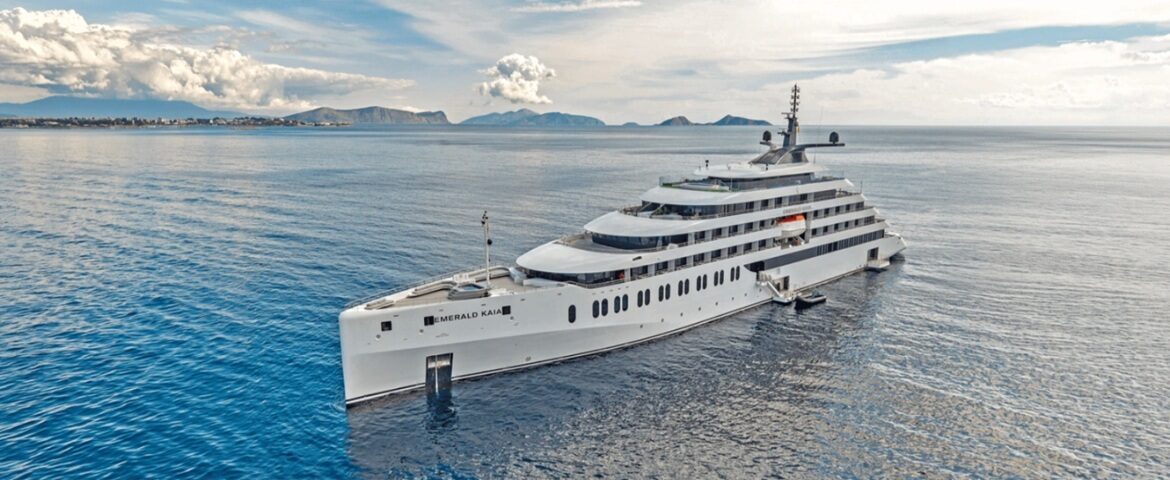
Legend has it that Aphrodite was born from the sea foam off this coast. Paphos, in southwestern Cyprus, has built three millennia of history on this myth, to the point that UNESCO has inscribed the entire town on its World Heritage List. Ships anchor off Kato Paphos, the lower town, and tenders drop passengers at the small harbour basin on the waterfront, guarded by a stone castle. The cruiser's good fortune fits in one sentence: the port call's major treasures begin a five-minute walk from the landing.

The castle and the promenade

Set at the end of the jetty, the fort has served in turn as a Byzantine fortress, an Ottoman prison and even a salt warehouse under the British. Its terrace looks out over fishing boats coming home between excursion boats. The promenade stretching at its feet lines up cafés and tavernas facing the sea: the perfect place to take the resort's pulse before travelling back in time.

The mosaics, masterpieces underfoot

A stone's throw from the harbour opens the Kato Paphos Archaeological Park, one of the great ancient sites of the eastern Mediterranean. The capital of Cyprus in Hellenistic and Roman times, the city left villas whose floors rank among the best preserved in the Roman world. In the Houses of Dionysus, Theseus and Aion, the mosaics unfold their mythological scenes in intact colours: the triumph of the god of wine, Theseus fighting the Minotaur and a beauty contest between goddesses. You move along wooden walkways, in the harsh light, between toppled columns and the scent of dry herbs. The ancient odeon and the remains of Saranta Kolones castle, toppled by an earthquake in the 13th century, complete the visit. Allow a good two hours and bring a hat: shade is scarce.

The Tombs of the Kings

About 2 kilometres to the north, reachable by taxi or coastal bus, the necropolis known as the Tombs of the Kings is carved into the limestone plateau facing the sea. No kings actually rest there: these monumental underground tombs, surrounded by Doric columns carved from the rock, received the notables of the Hellenistic city. Descending into these silent funerary courtyards, where only the wind and a few lizards move about, stirs an emotion that crowded major sites no longer always offer. Bring water: the plateau offers almost no shade.

Breathing in today's town

Between sites, the modern resort deserves a moment. Ten minutes on foot from the harbour, the church of Agia Kyriaki stands among the ruins of an Early Christian basilica: here you are shown the so-called Pillar of St. Paul, where the apostle is said to have been flogged before converting the island's Roman proconsul. The tavernas serve Cypriot meze, from grilled halloumi to fish from the gulf, and the waterfront ice cream shops compete with local flavours, carob or orange blossom. Walkers will venture to the coastal path heading north, between rocky coves and low-rise hotels.

Taking the myth with you

Some excursions venture to Aphrodite's Rock, about twenty kilometres to the east: a dark spur planted in a pebble bay, where the goddess is said to have come ashore. Whether or not you go, the essence of the port call lies in this constant dialogue between myth and stone. Heading back to the ship, take one last look at the castle gilded by the evening light: few ports of call offer so much history within such a small radius, with such a gentle way of life as a bonus.

Frequently Asked Questions

By tender, in most cases. Ships anchor off Kato Paphos, the lower town, and tenders drop passengers at the small seafront harbour guarded by a stone castle. Rough seas can cancel the operation — the usual risk of an anchorage call.
Yes, and that is the strength of this call. The Kato Paphos archaeological park and its mosaics begin a five-minute walk from the harbour. Agia Kyriaki church is ten minutes away. Only the Tombs of the Kings, about 2 kilometres north, need a taxi or the coastal bus.
Two hours in the archaeological park for the mosaics, an hour at the Tombs of the Kings, and the rest along the seafront promenade over a meze. If the call is short, keep the mosaics: they are why the whole town is on the UNESCO World Heritage list.
Roman floors among the best preserved anywhere, in the Houses of Dionysos, Theseus and Aion: the triumph of the wine god, Theseus fighting the Minotaur, a beauty contest among goddesses. You walk on wooden platforms between toppled columns. Allow a good two hours and a hat — shade is scarce.
A Hellenistic necropolis carved into the limestone plateau facing the sea, about 2 kilometres north of the harbour. No king lies there despite the name: these monumental rock-cut chambers, ringed by Doric columns hewn from the stone, held the city's notables. Bring water, the plateau offers almost no shade.
The euro. Cyprus is in the eurozone. Cards work in seafront restaurants, shops and taxis, but keep some cash for site admission and small businesses.
Greek, with English understood throughout the tourist area — the region also has a year-round British community. Signage at the archaeological sites is bilingual Greek and English. French is rare outside organised excursions.
April to June and September to November. Both main sites are open-air, on walkways and bare plateaus with no shade: in July and August the midday heat makes the visit hard going. Spring adds wildflowers between the ruins.
In moderation. The harbour castle, the promenade and the seafront ice cream shops work at any age, and distances are short. The mosaics, though, mean two hours standing in full sun: with young children, do part of the park and keep time by the water.
Yes, but by tour or taxi: it sits about 20 kilometres east, on the Limassol road. It is a dark outcrop planted in a pebble bay where legend has the goddess rising from the foam. The site is viewed from a lookout; swimming off the pebbles is possible but not comfortable.