Fogo Island Sao Filipe, Cape Verde
Cape Verde

16 Cruises availables At departure or passage at this port

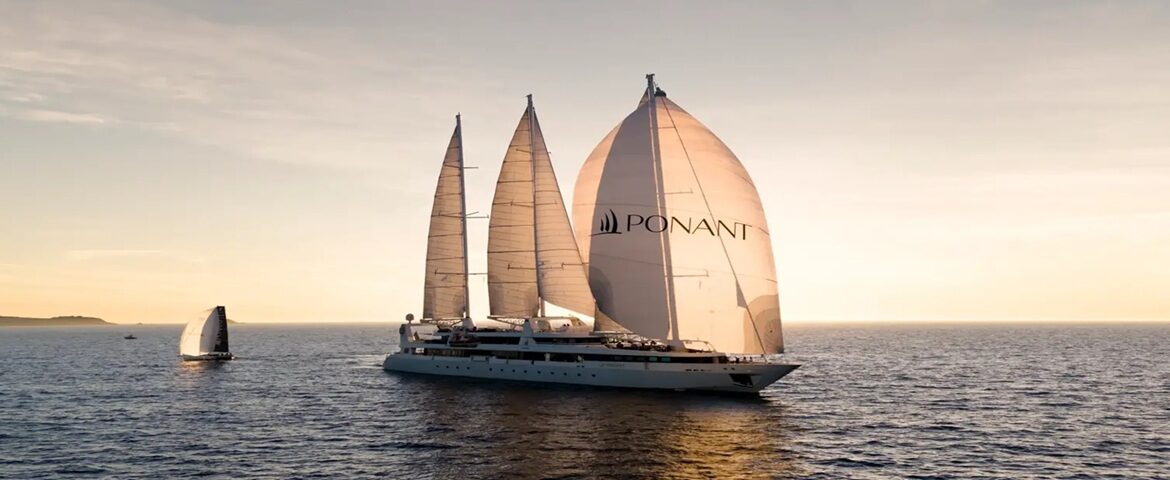
Ponant (16 Cruises)

São Filipe (Fogo) | Cruise Port Guide

Fogo announces itself right in its name: fire, in Portuguese. The most singular island in Cabo Verde rises from the Atlantic as an almost perfect cone, its summit catching the clouds at 2,829 metres, and the volcano that created it is anything but a memory: Pico do Fogo's last eruption was in 2014. Calling here means visiting an island that lives, quite literally, on its mountain, between vineyards planted in ash and houses built of black stone.

São Filipe, Balconies Over the Ocean

Ships anchor off the west coast and passengers head into the small port of São Filipe, the island's capital. The upper town unfolds a grid of sloping streets lined with sobrados, those two-storey Portuguese colonial homes with wooden balconies and pastel façades, remnants of the era of the great plantations. From the waterfront lookouts, the view drops down to a black sand beach pounded by Atlantic rollers. A covered market, shaded squares, and unpretentious cafés round out an easy, pleasant hour or two of wandering.

The Climb Toward the Crater

The day's signature excursion climbs toward Chã das Caldeiras, a lava plateau nestled at about 1,700 metres inside a caldera nine kilometres wide, ringed by walls nearly a kilometre high. The road winds first through coffee trees and mango orchards, then the landscape strips down to pure mineral: fields of scoria, frozen lava flows, the peak's silhouette standing in the background. The contrast between the lush coast and this lunar setting is, on its own, worth the trip.

A Village Inside the Volcano

The most striking sight waits at the top: people actually live inside the caldera. The villages of Portela and Bangaeira, partly buried by the 2014 lava flow, were rebuilt on the spot by their own residents, who raised houses and guesthouses right on the fresh lava. Visitors walk among rooftops still emerging from the black rock, hear firsthand accounts of the eruption, and then sit down to eat: Fogo wine, made from vines that grow directly in volcanic ash, is served alongside goat cheese and Cabo Verdean dishes. This high-altitude winemaking, unique in the archipelago, is a source of great pride for the island.

Coffee, Coladeras, and Local Life

On the way back, the northern and eastern slopes reveal the island's other face: renowned coffee plantations, orchards, and farming hamlets clinging to the hillsides. In town, shops sell locally roasted coffee, wine from the caldera, and cotton textiles; with a bit of luck, a morna or a coladera drifts out of a café, a reminder that music remains Cabo Verde's great common language.

If the stop falls around May 1st, the town celebrates its patron saint's feast day: cavalcades, drums, and processions fill the streets of São Filipe for one of the oldest festivals in the archipelago.

Planning the Day

  • Chã das Caldeiras: about an hour and a half on winding roads; allow at least half a day for the excursion.
  • Climbing the peak itself requires a full half-day and excellent fitness: out of reach for a typical port call.
  • Pack a warm layer: it gets cool at 1,700 metres, even when the coast is sweltering.
  • Currency: Cabo Verdean escudo; euros are often accepted, but cash is recommended.

As the ship departs, when the evening light outlines the cone against the sky, Fogo's paradox becomes clear: its people have every reason to fear their mountain, and they have chosen instead to live on it, farm it, and make wine from it. Few ports of call tell the story of human stubbornness in the face of nature quite so clearly.

Frequently Asked Questions

Ships anchor off the west coast and passengers land at the small port of São Filipe, the island capital. The upper town is then explored on foot.
Wander the upper town, a grid of sloping streets lined with sobrados, the two-storey Portuguese colonial houses with wooden balconies and pastel facades. From the seafront lookouts, the view drops to a black sand beach pounded by Atlantic rollers.
The climb to Chã das Caldeiras, a lava plateau at around 1,700 metres inside a caldera nine kilometres wide, ringed by walls close to a kilometre high. Allow about an hour and a half of winding road and half a day at minimum.
Yes. Pico do Fogo last erupted in 2014. Its near-perfect cone catches the clouds at 2,829 metres.
No. The ascent takes a long half-day and excellent fitness: it is out of reach on a standard call.
Yes. The villages of Portela and Bangaeira, partly buried by the 2014 flow, were rebuilt on the spot by their residents, who raised houses and guesthouses directly on the fresh lava. You walk among roofs still emerging from the black rock.
Yes, and it is unique in the archipelago: Fogo wine comes from vines growing directly in the volcanic ash of the caldera. It is served with goat cheese and Cape Verdean dishes in the guesthouses of Chã das Caldeiras.
Locally roasted coffee from the well-regarded plantations on the northern and eastern slopes, caldera wine, and cotton goods sold in the shops of São Filipe.
Bring a warm layer if you go up: it is cool at 1,700 metres even when the coast is sweltering. The contrast between the green coast and the mineral caldera is the trip in itself.
The Cape Verdean escudo; euros are often accepted, but cash is recommended. If the call falls around 1 May, the town celebrates its patron saint with cavalcades, drums and processions, one of the oldest festivals in the archipelago.