Koh Chen Cambodia
Cambodia

144 Cruises availables At departure or passage at this port

CroisiEurope (144 Cruises)

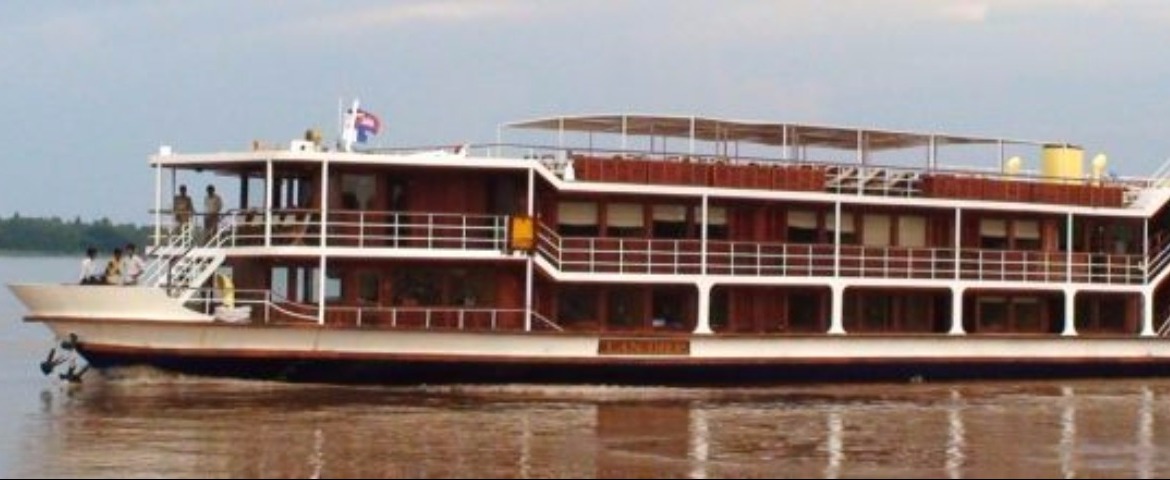
Cruise CE Croisieurope RV Lan Diep ship

RV Lan Diep

44 Passengers
Visit the ship's page
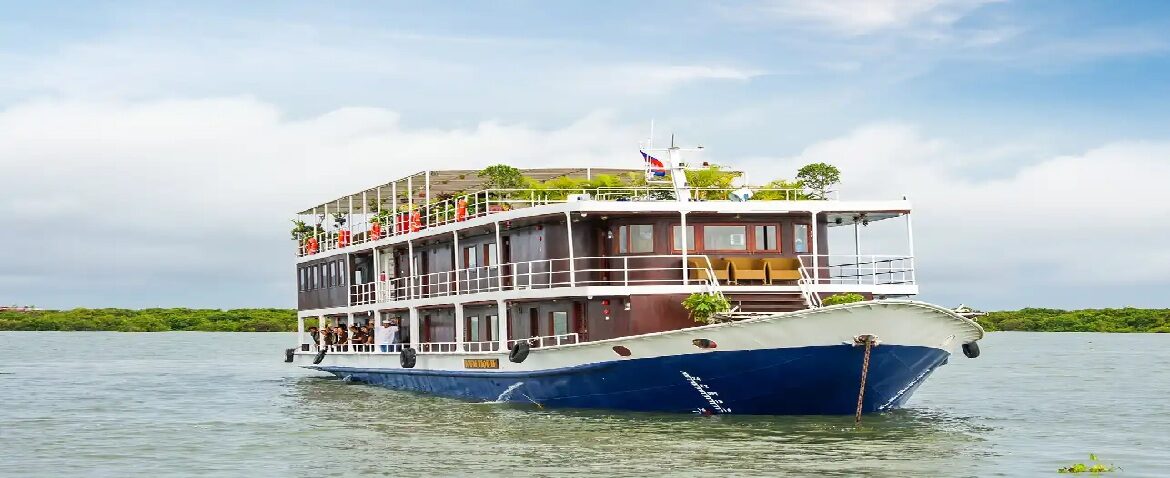
Toum Tiou II.

Toum Tiou II

28 Passengers
Visit the ship's page

Port of Koh Chen, Cambodia | Cruise Port Guide

Long before the gangway touches the riverbank, a metallic ringing carries across the river: hundreds of small hammers striking copper and silver. Koh Chen, a large village on the bank of the Tonlé Sap north of Phnom Penh, has lived from its silversmiths for generations. River cruise ships sailing the Mekong and its branches stop here for a morning or an afternoon, and this low-key stop is often among the clearest memories of the voyage, precisely because it is like nothing else on the itinerary.

Silversmiths at Work

Here, the workshop and the home are one and the same. Beneath the stilt houses, in the shade of the floors, men and women shape bowls, platters and engraved boxes by hammering metal on small anvils wedged between their knees. The know-how has been passed down from parents to children for centuries, and Koh Chen remains Cambodia's leading producer of silverware. The finest pieces head for the palace: the royal court regularly chooses bowls from here as official gifts for visiting dignitaries, a source of pride the artisans gladly mention, without boasting, as they keep on hammering.

Walking the Lanes

The visit is made on foot, with no set route. You walk past wooden fences, gardens where laundry is drying and verandas where engravers look up to wave. Children follow the groups for a while, curious, then return to their games. Those who wish can watch every stage of the work: the sheet of metal cut with shears, the shape raised by hammer, the lotus, elephant or fish motifs engraved with a point, then the long polishing that brings out the shine. Families sell their work on site, from simple small bowls to ceremonial pieces, and haggling is done with a smile, never pushy.

Life on the Tonlé Sap

The river sets the pace of the days: boats laden with fruit, fishers hauling in their nets, kids diving near the pontoons with shouts of joy. The Tonlé Sap is unique in that it reverses its flow with the seasons, swollen by the monsoon and then returned to the lake whose name it bears. At high water, the river rises up to the stilts; in the dry season, a wide strip of bank separates the houses from the current, and the ship's gangway grows longer accordingly. This yearly ebb and flow explains the village's architecture and the space each family sets aside, up high, for both the workshop and the rice loft. Depending on the time of day, you may come across the postman on his moped, monks on their morning alms round or an ice cream vendor ringing his bell: so many tiny scenes that, taken together, make up the true portrait of rural Cambodia. Taking the time to sit in the shade and watch life go by matters as much as any purchase.

Good to Know Before Going Ashore

  • Docking directly at the riverbank; the gangway can be steep depending on water levels.
  • Short, flat walking tour; closed shoes are useful in the rainy season.
  • Purchases in US dollars or riels; small bills recommended.
  • Ask before taking close-up photos of people: a smile is usually enough.

When the boat heads back into the current, the ringing of the hammers slowly fades behind the trees on the bank. What remains, in the palm of your hand, is the weight of a copper bowl still warm from polishing, and the image of an entire village busy making metal shine on the edge of the brown water. Few port calls pack so many inherited skills into so few metres.

Frequently Asked Questions

Straight against the bank of the Tonle Sap, north of Phnom Penh. The gangway can be steep depending on the water level, and the village starts a few metres away.
Entirely. The walk is short, flat and unstructured: you follow wooden fences, gardens and verandas where the engravers look up to greet you. Closed shoes help in the rainy season.
Its silversmiths. The village is Cambodia's main producer of silverware, and the royal court regularly chooses bowls from here as official gifts for visiting dignitaries.
Copper and silver, hammered by hand beneath the stilt houses. You follow every step: the sheet cut with shears, the shape raised with a hammer, lotus, elephant or fish motifs engraved with a point, then the long polishing.
The stop usually lasts a morning or an afternoon, and that is plenty: a walk through the lanes, watching the silversmiths, buying directly from the families, then sitting in the shade watching river life go by.
Yes. Families sell their work on site, from a simple small bowl to a ceremonial piece, and the haggling is friendly and low-pressure. Bring US dollars or riel in small bills.
US dollars and Cambodian riel. No shop takes cards: without cash you go home empty-handed.
Ask before photographing anyone close up; a smile and a gesture are usually enough to get a yes. The artisans are generally happy to be filmed at work.
Because of the Tonle Sap, whose current reverses with the seasons. At high water it rises to the stilts; in the dry season a wide strip of bank separates the houses from the current. Every family keeps the workshop and the rice store up high.
Yes. The route is short and level, the hammering demonstrations are fascinating, and village children follow the groups for a while before returning to their games.