Kampong Chhnang Cambodia
Cambodia

252 Cruises availables At departure or passage at this port

CroisiEurope (252 Cruises)

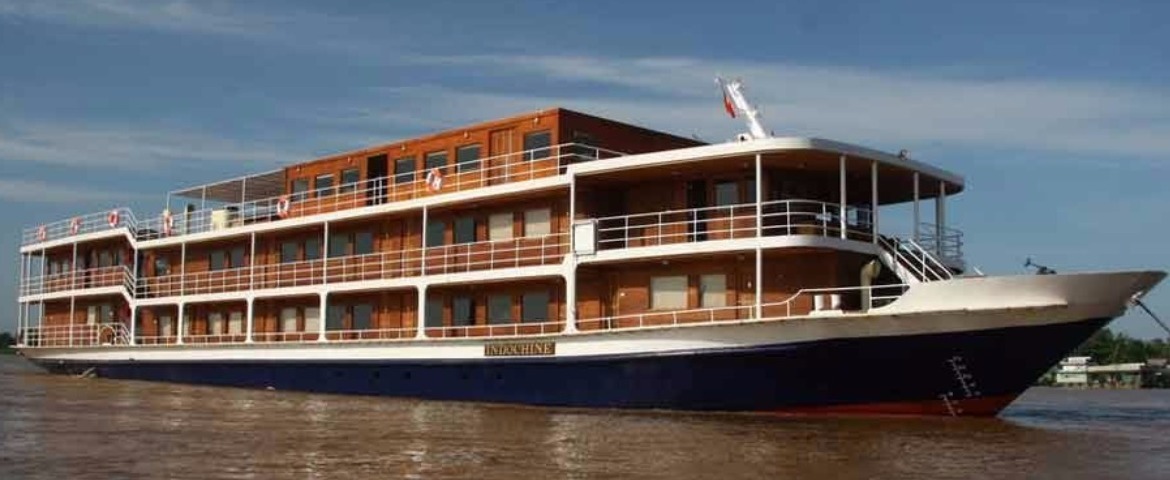
Cruise CE Croisieurope RV Indochine ship

RV Indochine

48 Passengers
Visit the ship's page
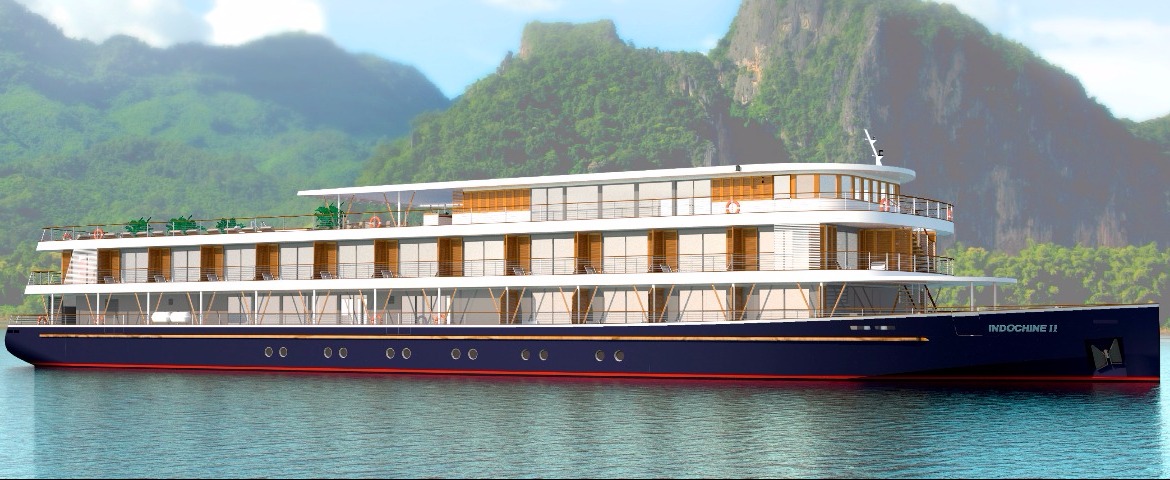
Cruise CE Croisieurope RV Indochine II ship

RV Indochine II

62 Passengers
Visit the ship's page
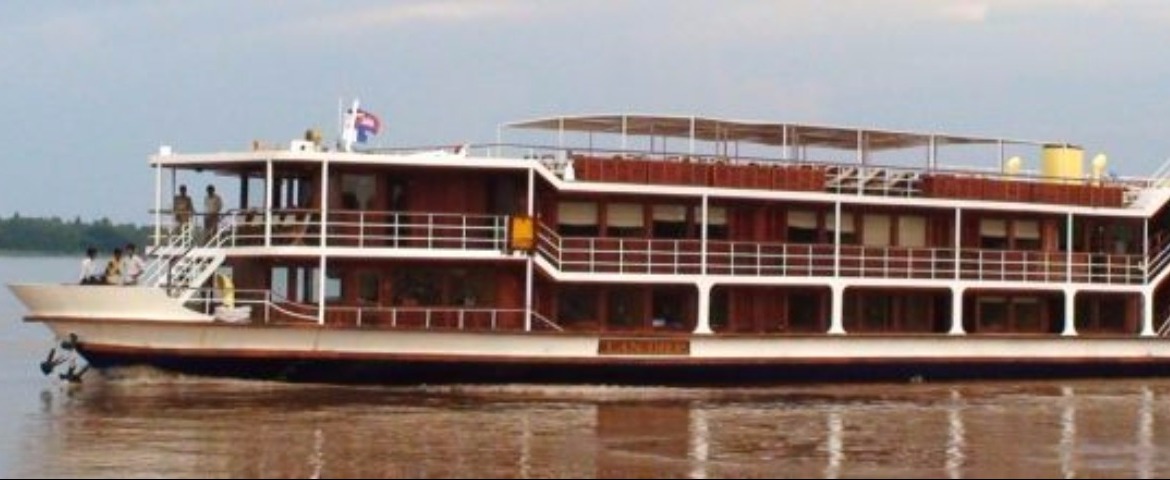
Cruise CE Croisieurope RV Lan Diep ship

RV Lan Diep

44 Passengers
Visit the ship's page
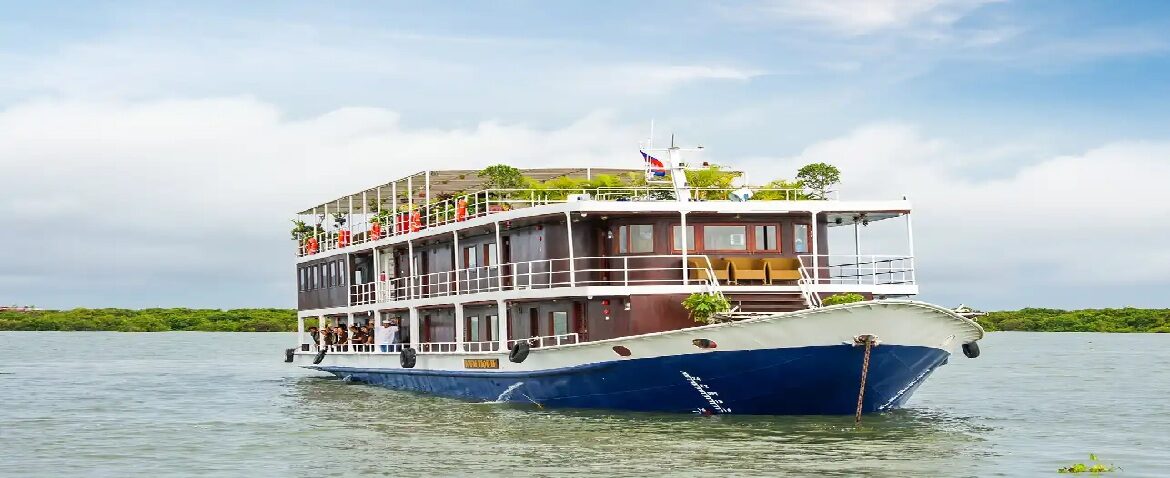
Toum Tiou II.

Toum Tiou II

28 Passengers
Visit the ship's page

Kampong Chhnang | Cruise Port Guide

The name announces the goods: in Khmer, chhnang means earthenware pot, and Kampong Chhnang translates plainly as "the port of jars." For generations, the potters of this province have shaped the red vessels found in kitchens across Cambodia, and ships travelling the Tonlé Sap River stop here to trace this craft back to its source. The stop plays out between water and clay, two materials that define the whole country, and the approach sets the tone: water hyacinths drifting by, nets stretched out, houses advancing on stilts like cautious wading birds.

The Floating Villages

A few minutes by boat from the dock, two entire villages live on the water: Phoum Kandal to the east, Chong Kos to the northwest. Houses, grocery stores, repair workshops, and fish pens all rest on floats that rise and fall with the river, following a rainy season that more than quadruples the surface of the nearby great lake. Motorized boats weave through the watery lanes the way bicycles move through an alley, children paddle to school in metal basins, and locals go about their business unbothered by visitors photographing their amphibious daily life.

Ondong Rossey, the Village of Potters

Seven kilometres from the shore, the road crosses rice fields and sugar palms to a village where nearly every house holds a workshop. Small pieces take shape on a foot-powered wheel; the large jars, meanwhile, are formed standing up, shaped with blows from a wooden paddle, the potter circling the piece rather than the other way around. Patterns are incised with a point, firing happens under smoking straw mounds in the courtyards, and the finished pieces then head out by cart and small truck to markets across the country. Visitors watch, sometimes try their hand, and quickly get a sense of the skill the simplest-looking gesture demands: expert hands raise a jar in a few minutes, where a beginner produces a puddle of mud.

The Waterside Market

Back in town, the riverside market stretches its tarps over lake fish, mountains of rice, and vegetables grown along the fertile banks. Prahok, the fermented fish paste that is to Cambodia what strong cheese is to other places, fills the aisles with its assertive scent. Stalls selling fried doughnuts and grilled bananas offer a quick bite, while mopeds weave through, loaded well beyond what seems reasonable. Nothing here has been dressed up for passing foreigners, and that's exactly what gives the walk its value.

A Quiet Capital of Fresh Water

The Tonlé Sap River, which links the great lake to the Mekong, has a feature found nowhere else in the world: its current reverses twice a year, depending on whether the lake is filling or draining. Entire fisheries that feed a significant share of the country depend on this rhythm, and Kampong Chhnang stands as one of its key crossroads, with its fish halls and landings bustling from dawn. A traveller unaware of this will see a provincial port; one who knows it watches the boats pass differently, the way one watches a heartbeat. The bluish silhouettes of the hinterland hills gently close the horizon, the last layer of a scene this stop etches into memory with no effort at all.

As departure nears, the jars lined up along the bank catch the day's last light. Some will travel on to the kitchens of Phnom Penh, others will spend decades in a stilt-house farm. The clay of Kampong Chhnang continues on its way, like the river that changes direction without ever ceasing to flow.

Frequently Asked Questions

At the town quay on the Tonle Sap river. The riverside market and the fish halls are close to the gangway, and the floating villages are a few minutes away by motorboat.
'Port of pots.' In Khmer, chhnang means the earthenware cooking pot, and this province has supplied kitchens across Cambodia with its red pottery for generations.
Two visits fill the half day: a boat trip out to the floating villages of Phoum Kandal and Chong Kos, then the drive to the potters' village of Ondong Rossey, seven kilometres inland. The riverside market rounds off the way back.
By tuk-tuk or excursion minibus: the village lies about seven kilometres from the pier, along a road through rice paddies and sugar palms. Walking it is not realistic in the heat.
Houses, grocery stores, repair shops and fish pens all resting on floats that rise and fall with the river. Children paddle to school in metal basins and motorboats move through the water lanes like bicycles in an alley.
Its current reverses twice a year, depending on whether the great lake is filling or emptying. That annual rhythm feeds fisheries that supply a large share of the country, and Kampong Chhnang is one of its hubs.
Cambodian riel and US dollars, interchangeably. Keep small bills for the market and for buying pottery: cards are of almost no use here.
Khmer. A few words of English circulate at the market and among drivers, but most exchanges happen through gestures and smiles. Ship guides translate during visits.
The dry season, November to April, is the most comfortable. In the rainy season the river swells and the floating villages rise with it, which is a sight in itself, but the dirt roads to Ondong Rossey get difficult.
Yes. The boat trip and the pottery demonstration hold children's attention, and the ground is flat. Bring a hat and water: shade is scarce, and the pungent prahok at the market will surprise a few noses.