Port of Oudenaarde, Belgium | Cruise Port Guide

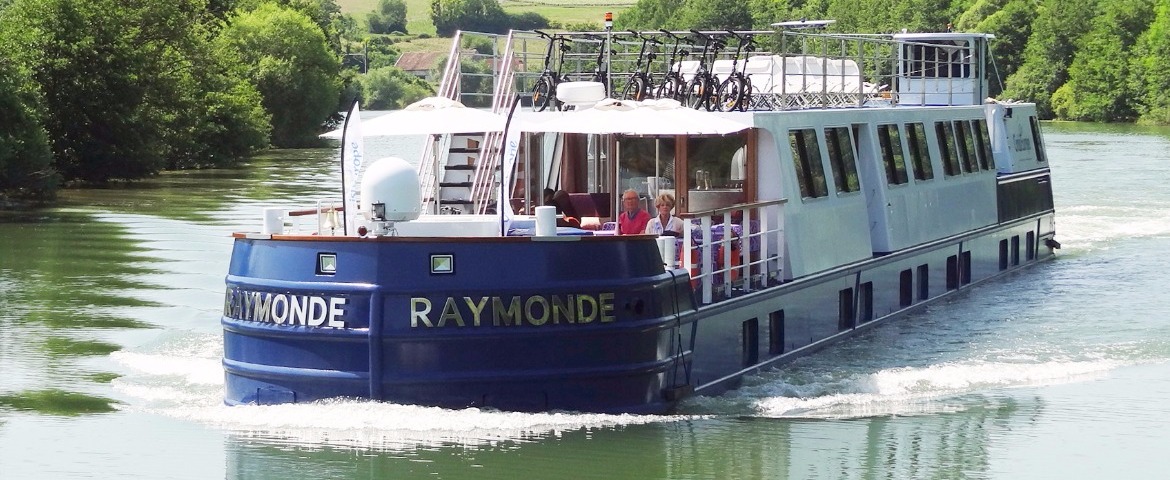
The Scheldt is still just a quiet river when it passes through Oudenaarde, known in French as Audenarde. River cruise ships moor here at the foot of the Flemish Ardennes, in a small town that was, from the 15th to the 18th century, one of Europe's great tapestry centres. Its verdures, wall hangings woven with foliage and animals, once adorned the castles of France and Spain. The quay is a few minutes from the Markt: here, Flanders presents itself in an intimate format.

A town hall in stone lace

On the main square, the town hall draws every eye. Built between 1526 and 1537 in the Brabantine Gothic style, it lines up pinnacles, niches and statues with a goldsmith's precision; its belfry is a UNESCO World Heritage Site. The surrounding terraces let you study its façade over a coffee, while the carillon chimes the quarter hours above the cobblestones.

MOU and the rediscovered verdures

Adjoining the town hall, the 14th-century cloth hall houses MOU, the municipal museum. Here you can admire some fifteen monumental tapestries, displayed in the half-light that protects their wool. In front of these walls of greenery in a thousand shades, you understand why the Flemish workshops here were courted by the courts of Europe, and why each piece required months of patient work.

Pamele, the other bank

Crossing the Scheldt, you enter the Pamele district, long a separate town. The Church of Our Lady of Pamele, built of bluish Tournai stone, is one of the fine examples of Scheldt Gothic, the style born along the river. Nearby stand the house of Margaret of Parma, Governor of the Netherlands born in Oudenaarde, and the Baudouin Tower, a remnant of the old defences. The quays invite a peaceful loop along the water.

Tour of Flanders country

Oudenaarde also lives to the rhythm of the bicycle. It is here that the Tour of Flanders, the great classic, finishes every spring, and the centre devoted to the race recounts its exploits, its cobblestones and its legendary mud. All around, the hills of the Flemish Ardennes, including the famous Koppenberg, attract cyclists all year round. On Sunday mornings, clusters of colourful jerseys cross the cobblestones before speeding off toward the hills.

A brown ale by the water

You cannot leave without tasting the local specialty: Oudenaarde brown ale, slightly tart, matured in vats brewed along the Scheldt for more than three centuries. The cafés on the Markt serve it with a piece of cheese or a square of tart. It is the simplest way to step into local daily life, between two conversations in Flemish and the passing of a barge.

Practical pointers

  • Mooring a short distance from the centre; the main square is a few minutes' walk away.
  • Town hall, MOU and the Pamele district: a compact circuit, ideal in two or three hours.
  • Tour of Flanders Centre for cycling enthusiasts; bike rentals available on site.
  • Currency: euro. Dutch dominates; English gets you by easily.

Following the Scheldt again

As the ship casts off, the belfry lingers for a moment above the rooftops, then the meadows take over. Oudenaarde leaves the memory of a town that knew the glory of royal courts without ever ceasing to be a Flemish market town, proud of its weavers, its brewers and its cyclists. One port call is enough to make you want to follow, someday, the entire course of the Flemish river.

Frequently Asked Questions

On the Scheldt, a short distance from the centre: the Markt is a few minutes' walk. It is a river call at the foot of the Flemish Ardennes.
The town hall and the MOU museum on the Markt, then the Pamele quarter across the Scheldt. The circuit is compact and fits into two or three hours.
Built between 1526 and 1537 in Brabantine Gothic style, it lines up pinnacles, niches and statues with a goldsmith's precision. Its belfry is a UNESCO World Heritage site.
The municipal museum, housed in the 14th-century cloth hall adjoining the town hall. It displays about fifteen monumental tapestries, shown in the dim light that protects their wools.
From the 15th to the 18th century the town was one of Europe's great tapestry centres. Its verdures, hangings woven with foliage and animals, dressed the castles of France and Spain; each piece took months of work.
The church of Our Lady of Pamele, in blue Tournai stone, a fine example of Scheldt Gothic. Nearby stand the house of Margaret of Parma, governor of the Netherlands born here, and the Baudouin tower.
The great cycling classic finishes here every spring. The centre devoted to the race retraces its feats, its cobbles and its legendary mud, and the hills of the Flemish Ardennes, including the Koppenberg, draw cyclists year-round.
Yes, rentals are available on site. It is the best way to reach the hills of the Flemish Ardennes if the call is long enough and the legs are willing.
Oudenaarde brown ale, slightly tart, brewed on the banks of the Scheldt for more than three centuries. The cafés on the Markt serve it with a piece of cheese or a square of tart.
The euro, and Dutch: the town is Oudenaarde in Flemish, Audenarde in French. English gets you by easily; French is less automatic.