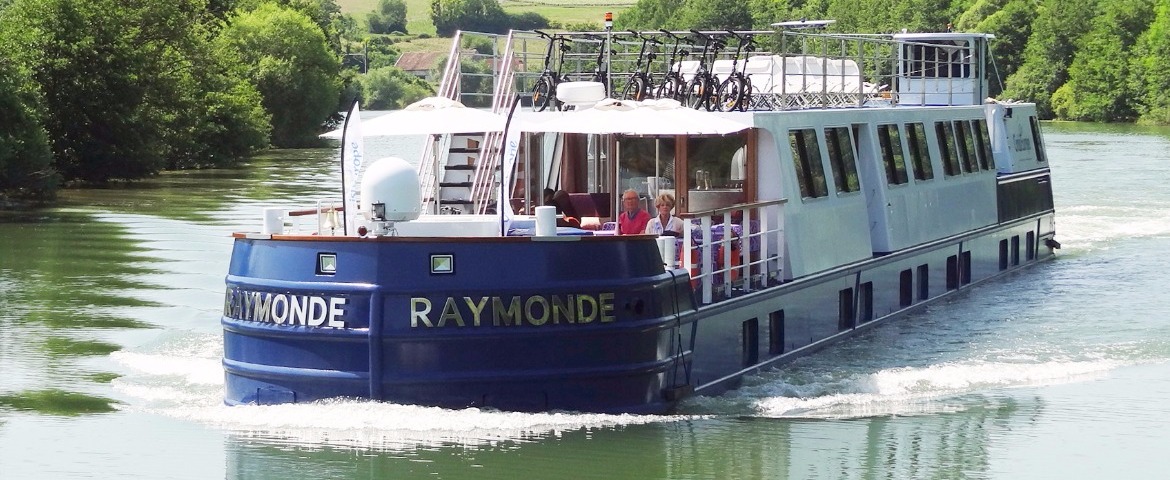
La Louvière, Belgium | Cruise Port Guide

Imagine a 1,350-tonne boat entering a steel bathtub and then rising 73 metres into the air, as smoothly as a hotel elevator. That is the daily spectacle at Strépy-Thieu, near La Louvière, in the heart of Belgium's Hainaut province. Here, the river cruise doesn't sail past castles: it crosses a living museum of civil engineering, where four century-old hydraulic lifts listed by UNESCO stand alongside the concrete giant that replaced them. A port call for the curious, mechanical enthusiasts and anyone who likes to understand how the world works.

The Canal That Had to Climb a Hill

It all started with a simple problem: linking the Meuse and Scheldt basins across the Centre mining region, despite a difference in elevation of nearly 90 metres. At the end of the 19th century, engineers opted for a bold solution: four hydraulic boat lifts, brought into service between 1888 and 1917 along this waterway. Two water-filled caissons balance each other like the pans of a scale: when one goes down, the other goes up, with no energy other than water pressure. More than a century later, these machines of iron and rivets still work, maintained with visible pride by the Walloon waterway teams.

Monuments That Still Work

UNESCO listed the four lifts and their waterway in 1998, recognizing an ensemble unique in the world that has remained in its original state. Pleasure boats still use the historic route, and local cruises leave daily in the warm season to pass through lifts 2 and 3 at Strépy-Bracquegnies. Experiencing the manoeuvre from the deck, hearing the sluice gates creak and watching the bank slowly sink: the experience feels like a journey back in industrial time, amid lock-keepers' houses and towpaths turned bike paths.

Strépy-Thieu, the Record-Breaking Giant

A few kilometres away, its successor dwarfs everything. Completed in 2002 after twenty years of construction, the Strépy-Thieu funicular lift raises barges 73.15 metres in a single movement, in two independent caissons 112 metres long suspended from cables and counterweights. It remained the highest boat lift in the world until 2016. A visitor area tells the story of its construction and opens views onto the machine room and, from the top of the structure, over the Hainaut countryside. Even without a technical bent, the sheer scale of the place leaves a lasting impression.

La Louvière, Between Earthenware and Slag Heaps

The neighbouring town also deserves a moment. Born of coal in the 19th century, La Louvière has kept an endearing heritage from its industrial past, including the Boch earthenware factory, founded in 1841. The Keramis museum, built around three listed former bottle kilns, displays historic ceramics and contemporary creations. The surrounding area tells the same story: reforested slag heaps, old workers' housing estates and cafés where people put the world to rights over a regional beer.

Port Call Pointers

  • River stops are located along the Canal du Centre; the Strépy-Thieu site has a visitor centre.
  • Daily local cruises in season between Strépy-Thieu and the historic lifts of Strépy-Bracquegnies.
  • Historic lifts and canal listed as a UNESCO World Heritage Site since 1998.
  • Keramis museum in La Louvière: about fifteen minutes by taxi from the engineering works.

Before Heading Back on Board

In the evening, when the counterweights come to rest and the water grows calm again, the canal takes on the look of a long mirror laid across the countryside. You leave with a new respect for these builders who, a century apart, lifted boats the way others move mountains. Hainaut promises neither palm trees nor Alpine panoramas; it offers something better: human ingenuity in its purest form, and the urge to follow its thread to the next lock.

Frequently Asked Questions

At the river landings along the Canal du Centre in Hainaut. The Strépy-Thieu site has a visitor centre and the town is a taxi ride away.
A funicular lift that raises barges 73.15 metres in a single movement, in two independent caissons 112 metres long hung from cables and counterweights. Completed in 2002 after twenty years of work, it remained the world's tallest until 2016.
Strépy-Thieu and its visitor centre, then the four historic hydraulic lifts at Strépy-Bracquegnies. With time left, the Kéramis museum in town, about 15 minutes by taxi from the engineering works.
Because the four structures and their waterway form a set unique in the world, preserved in original condition. Listed in 1998, they date from 1888 to 1917 and still operate.
Two water-filled caissons balance like the pans of a scale: as one descends the other rises, using no energy but water pressure. More than a century on, these machines of iron and rivets still run.
Yes. Local cruises run daily in season through lifts 2 and 3 at Strépy-Bracquegnies. Experiencing the manoeuvre from the deck, hearing the sluice gates groan, watching the bank drop away, is the highlight of the call.
A ceramics museum built around three listed former bottle kilns. It shows historic ceramics and contemporary work, in the town of the Boch pottery founded in 1841.
The euro, and French: La Louvière is in Wallonia, in Hainaut. No language barrier for French speakers.
April through October, when the local cruises run and the towpaths turned cycle trails are usable. Off season the structures remain visible but boat passages become rare.
Yes, if the children like understanding how things work. Watching a 1,350-tonne vessel rise 73 metres leaves a mark. That said, there is no beach and no theme park here.