Inagua Island Bahamas Matthew Town

30 Cruises availables At departure or passage at this port

Viking Ocean Cruises (30 Cruises)

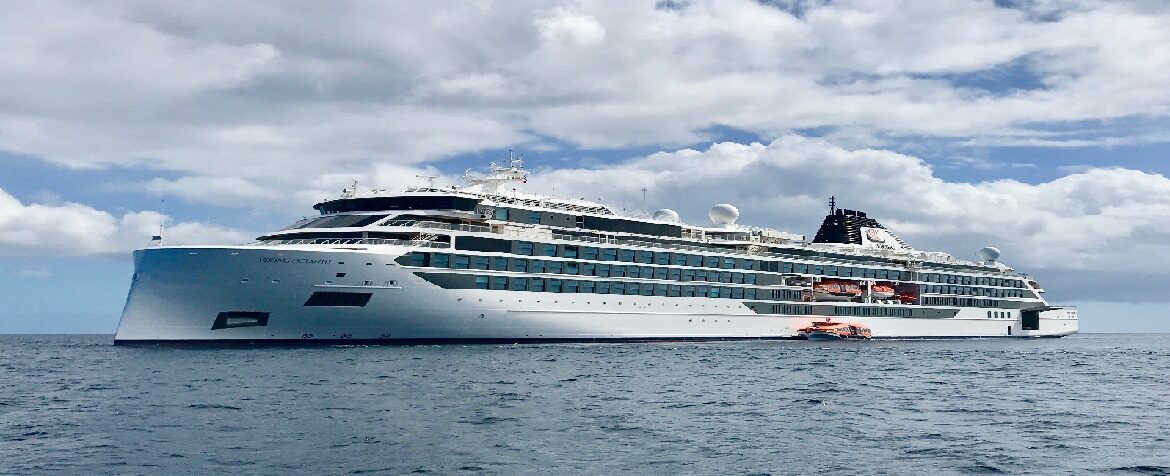
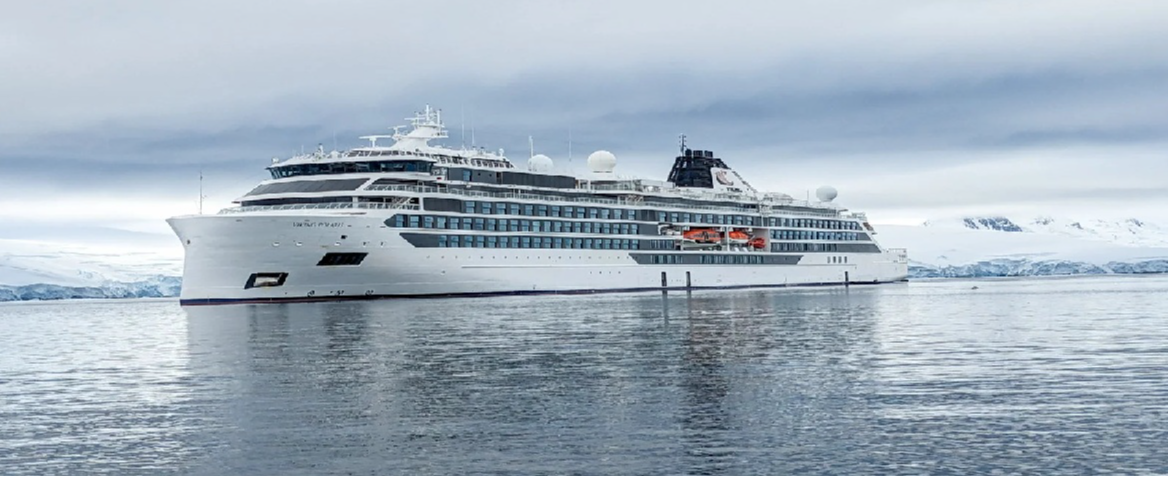
Viking Octantis.

Viking Octantis

634 Passengers
30150 tons
Visit the ship's page

Port of Inagua Island, Bahamas | Cruise Port Guide

A shimmer of pink on the horizon, set against blindingly white salt ponds: this is often the first image travellers carry away from Great Inagua. The southernmost island in the Bahamas, less than 100 km from the Cuban coast, lives far from everything and feels no need to apologize for it. Only expedition ships and a handful of specialty cruises stop here, anchoring off Matthew Town before sending their tenders ashore. Those who land here aren't coming to shop: they're coming to witness one of the great birdwatching spectacles of the Americas.

Matthew Town, a Quiet Outpost

The island's only village gathers about 900 residents along wide, quiet streets swept by the trade winds. No terminal, no duty-free shops: a grocery store, a few wooden houses weathered by the salt air, and people who greet every new face. That bare simplicity is part of the journey. A few minutes' walk is enough to take in the village; the rest of the day belongs to the wild expanses that surround it. The Erickson Museum, set in a former salt company residence, carefully traces the singular history of this isolated community.

Salt, the Island's Engine

For generations, Great Inagua has lived off salt. The Morton Salt Company operates one of the largest solar salt works in North America here: dozens of evaporation ponds where seawater concentrates under the sun before yielding its crystals. The white mountains gleaming near the shore can be seen from far out at sea. This industrial landscape has had an unexpected result: the brackish ponds teem with brine shrimp and larvae that flamingos love. Industry and nature have struck a rare alliance here.

The Kingdom of Pink Flamingos

Inagua National Park, at the heart of the island, protects the largest flamingo colony in the entire Caribbean: tens of thousands of birds that feed, parade, and nest around Lake Windsor. Excursions are run by vehicle with rangers from the Bahamas National Trust, along dirt tracks; depending on the season, groups can be seen from a distance as pink clouds, or up close, necks dipped into the brine. The rangers know every track and every pond; their stories, drawn from decades of observation, outdo any printed guide. The park is also home to the Bahama parrot, hummingbirds, pelicans, and hawks. For any bird lover, this one day alone is worth the entire trip.

The 1870 Lighthouse

South of Matthew Town, a 34-metre white tower has stood watch since 1870. This solitary sentinel is one of the last in the Bahamas still running on kerosene, with a mechanism the keeper still winds by hand. Climbing the spiral stairs takes some effort; from the top, the view takes in the village, the salt ponds, and the vast blue of the Windward Passage all at once. On a clear day, you can make out the outline of Cuba to the south. The wind, for its part, almost never lets up: it has discouraged large beach resort projects and kept the island just as it is.

A Stop for Patient Travellers

Great Inagua isn't trying to charm anyone, and that's exactly its strength. No manicured beach, no cocktail bar: just wind, birds by the thousands, salt, and a community proud of its corner of the world. Heading back to the tender, you find yourself speaking more quietly, as if not wanting to disturb the order of things. Long after the stop, closing your eyes is enough to bring back that pink streak shimmering above the ponds, a memory very few cruise passengers get to share, which only makes it more precious.

Frequently Asked Questions

At anchor, off Matthew Town. There is no terminal: launches land passengers on the shore. Only expedition ships and a few specialist cruises stop here.
It is the southernmost island of the archipelago, less than 100 km from the coast of Cuba. It lives far from everything and makes no apology for it.
Inagua National Park and its flamingos, by vehicle with Bahamas National Trust wardens; the 1870 lighthouse south of town; the Erickson museum in Matthew Town. People who land here are not coming to shop.
Inagua National Park, at the island's heart, protects the largest flamingo colony in the Caribbean: tens of thousands of birds feeding, displaying and nesting around Lake Windsor.
A rare alliance between industry and nature. The Morton company works one of North America's largest solar salt operations here, and its brackish ponds teem with brine shrimp and larvae the flamingos thrive on. The white mountains of salt are visible far out at sea.
A white tower 34 metres tall, standing south of Matthew Town since 1870. It is one of the last in the Bahamas still running on kerosene, with a mechanism the keeper still winds by hand. From the top the view gathers the village, the salt pans and the Windward Passage; on a clear day you can make out Cuba to the south.
By vehicle, with Bahamas National Trust wardens, along dirt tracks. Depending on the season, flamingo flocks are seen from a distance as pink clouds or close up, necks buried in the brine. The wardens' stories, built on decades of observation, are worth more than any printed guide.
No developed beach, no cocktail bar, no duty-free shops. Matthew Town holds about 900 residents, a grocery and a few salt-weathered wooden houses. The wind almost never drops: it discouraged the big resort schemes and kept the island as it is.
The Bahamian dollar, at par with the US dollar, and English. Bring cash: banking services are all but nonexistent on the island.
For families of birdwatchers, yes, and the experience stays with you. For everyone else, let us be clear: no activity designed for children, no organised swimming, and a full day given over to nature and wind.