Neuhofen an der Ybbs Austria
Austria
84
Cruises availables
At departure or passage at this port
Avalon Waterways (84 Cruises)
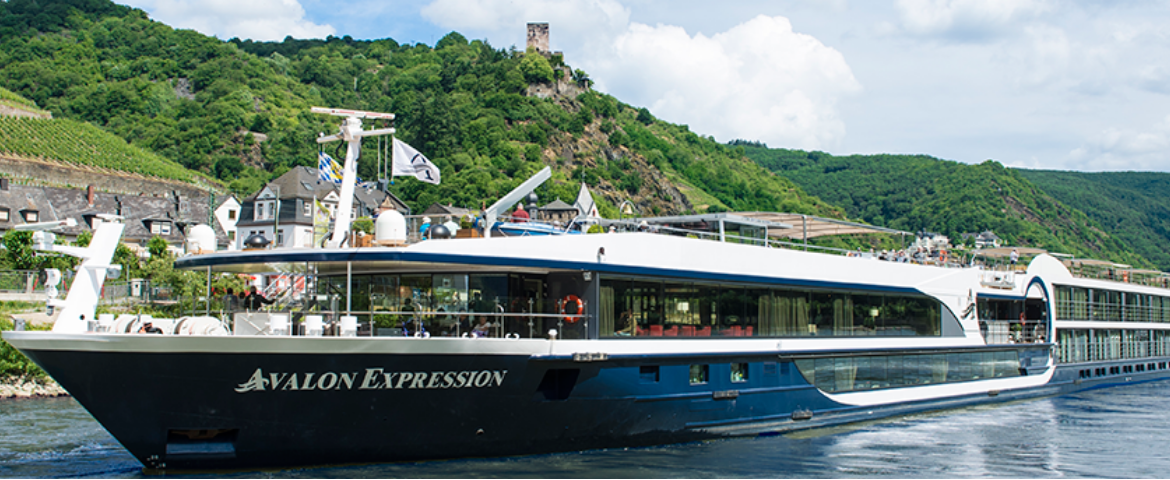
Avalon Expression®
10 Cruises

| 5 August | 8 days | One-way from Vilshofen an der Donau to Budapest |
450-628-6241
Call us
|
| 5 August | 7 days | One-way from Vilshofen an der Donau to Budapest |
450-628-6241
Call us
|
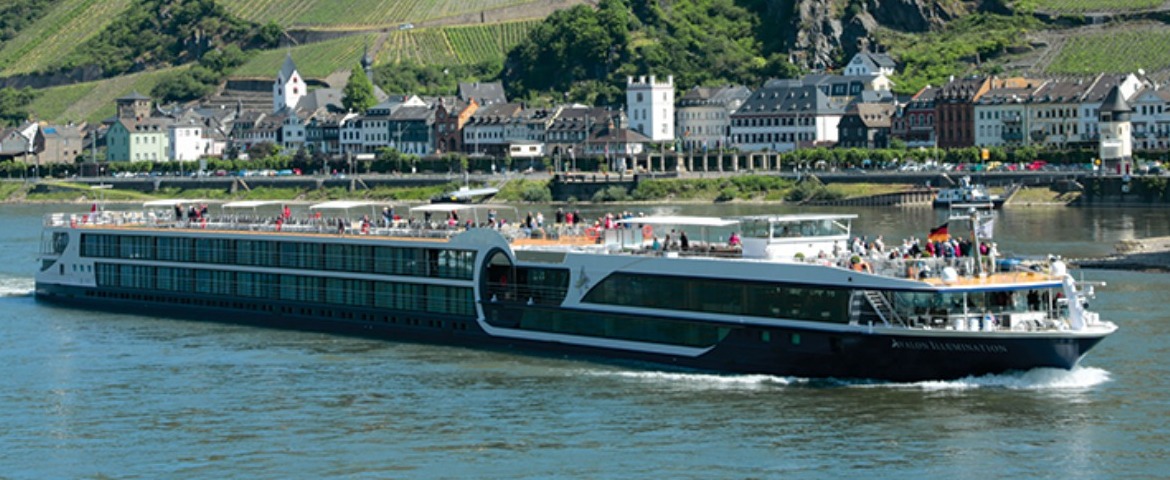
Avalon Illumination®
15 Cruises
| 8 June | 8 days | One-way from Vilshofen an der Donau to Budapest |
450-628-6241
Call us
|
| 8 June | 7 days | One-way from Vilshofen an der Donau to Budapest |
450-628-6241
Call us
|
| 20 July | 8 days | One-way from Vilshofen an der Donau to Budapest |
450-628-6241
Call us
|
| 20 July | 7 days | One-way from Vilshofen an der Donau to Budapest |
450-628-6241
Call us
|
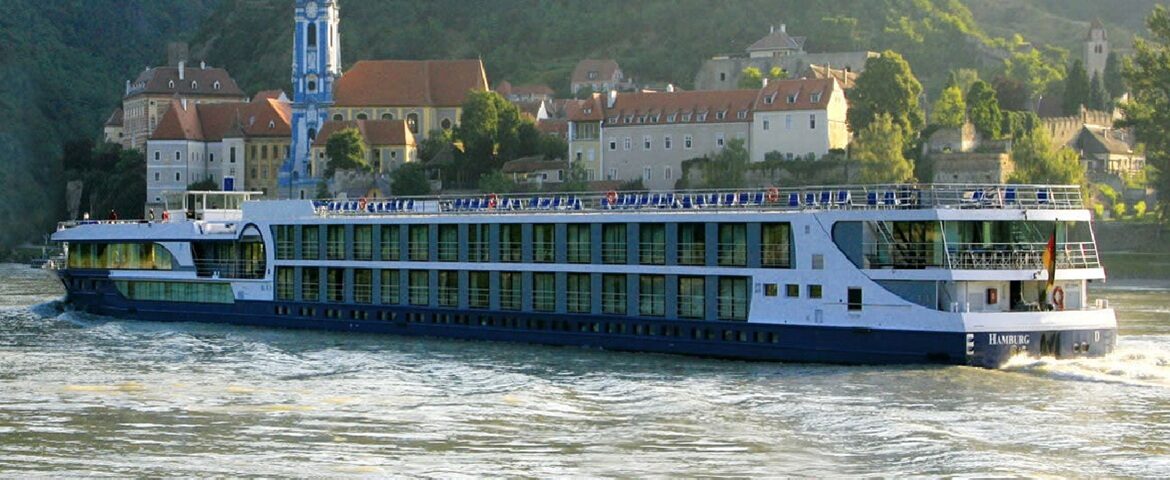
Avalon Imagery II®
16 Cruises
| 18 June | 7 days | One-way from Vilshofen an der Donau to Budapest |
450-628-6241
Call us
|
| 18 June | 8 days | One-way from Vilshofen an der Donau to Budapest |
450-628-6241
Call us
|
Avalon ImpressionSM
21 Cruises

| 7 April | 7 days | One-way from Vilshofen an der Donau to Budapest |
450-628-6241
Call us
|
| 7 April | 8 days | One-way from Vilshofen an der Donau to Budapest |
450-628-6241
Call us
|
| 5 May | 7 days | One-way from Vilshofen an der Donau to Budapest |
450-628-6241
Call us
|
| 5 May | 8 days | One-way from Vilshofen an der Donau to Budapest |
450-628-6241
Call us
|
| 30 June | 8 days | One-way from Vilshofen an der Donau to Budapest |
450-628-6241
Call us
|
| 30 June | 7 days | One-way from Vilshofen an der Donau to Budapest |
450-628-6241
Call us
|
| 14 July | 7 days | One-way from Vilshofen an der Donau to Budapest |
450-628-6241
Call us
|
| 14 July | 8 days | One-way from Vilshofen an der Donau to Budapest |
450-628-6241
Call us
|
| 25 August | 8 days | One-way from Vilshofen an der Donau to Budapest |
450-628-6241
Call us
|
| 25 August | 7 days | One-way from Vilshofen an der Donau to Budapest |
450-628-6241
Call us
|
| 6 September | 7 days | One-way from Vilshofen an der Donau to Budapest |
450-628-6241
Call us
|
| 6 September | 8 days | One-way from Vilshofen an der Donau to Budapest |
450-628-6241
Call us
|
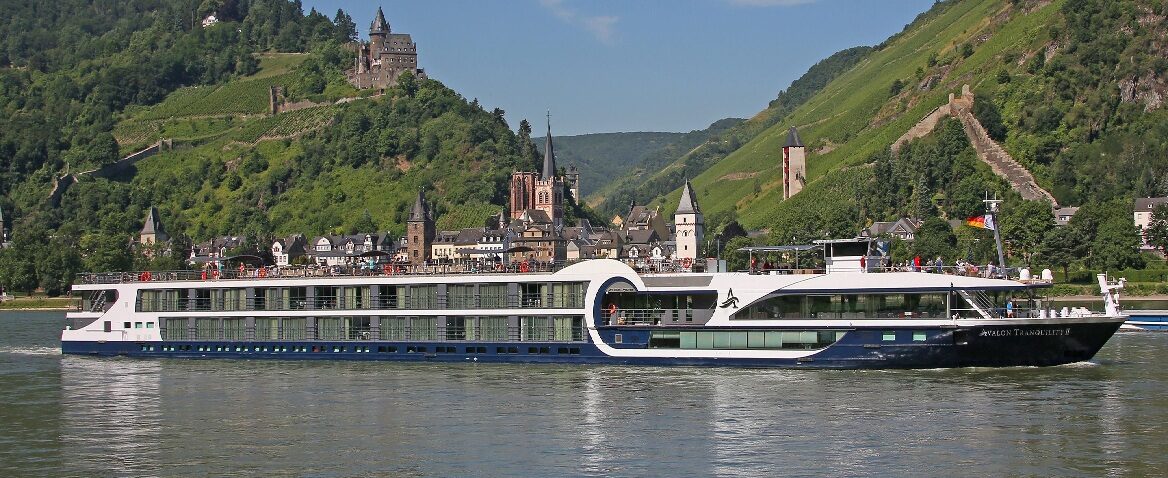
Avalon Visionary®
20 Cruises

| 5 June | 7 days | One-way from Vilshofen an der Donau to Budapest |
450-628-6241
Call us
|
| 5 June | 8 days | One-way from Vilshofen an der Donau to Budapest |
450-628-6241
Call us
|

Neuhofen an der Ybbs, Austria | Cruise Port Guide
Frequently Asked Questions
Not at the village. Ships tie up on the Danube bank nearby, and coaches cover the short run through the hills of the Mostviertel in a few minutes.
For Ostarrichi. On an imperial charter of the year 996, by which Emperor Otto III granted lands to the bishopric of Freising, this word appears for the first time; it would become Österreich, then Austria. It refers to one specific estate: Neuhofen.
A careful facsimile of the 996 parchment, the original being kept in the state archives in Munich, and an exhibition covering a thousand years of Austrian history, from medieval margraves to European Union membership, including the dark years of the 20th century, treated without evasion. Allow about an hour.
The village is best seen slowly on foot: the parish church with its slender spire, low houses with pastel facades, conversations outside the bakery. There is no spectacular monument to tick off, and that is the point: the call is about the atmosphere of an ordinary Austrian village.
Literally the must quarter: a region of rolling meadows dotted with solitary pear trees standing in open fields like sentinels. It takes its name from the pear cider farms have produced here for generations.
Most, the pear cider, dry or sweet, served with country bread, bacon and farm cheeses. Depending on the excursions offered, the visit sometimes continues at a local cider farm, at long wooden tables.
The euro and German. In the countryside, keep some cash: farms and small shops do not all take cards.
Usually half a day, including the coach transfer. The village does not try to compete with Vienna or Melk, and what is on offer is limited to the memorial and the village itself.
Moderately. This is a cultural and rural call with no activity designed for children. A visit to a cider farm usually interests them more than the history exhibition.
Spring, when the pear blossom whitens entire hillsides, and autumn, when the presses fill farmyards with their scent.


