Great Barrier Reef Queensland Australia
Australia

Great Barrier Reef | Cruise Port Guide

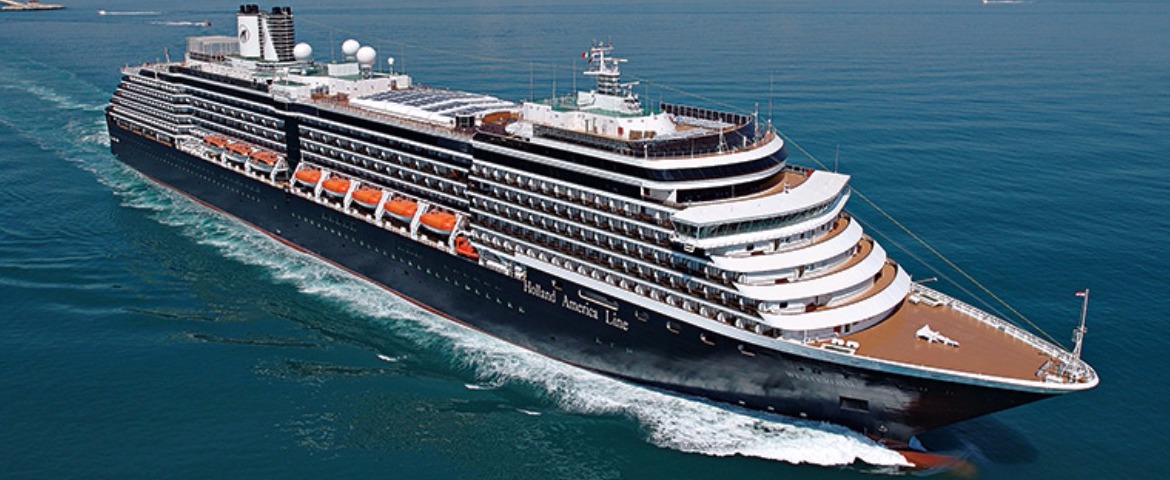
From the upper deck, you sense it before you see it: turquoise and emerald patches piercing the deep blue of the Coral Sea, as far as sight reaches. The Great Barrier Reef stretches some 2,300 kilometres along Queensland's coast, a mosaic of roughly 2,900 reefs and some 900 islands. It is the largest structure built by living organisms on the planet, and cruise ships traverse it by a marked interior channel, under the guidance of specialized pilots.

Navigating a World Heritage Site

Listed as a UNESCO World Heritage site since 1981, the entire complex is managed as a marine park under strict rules: designated shipping lanes, protected zones, regulated moorings. For the passenger, this regulation translates to days of panoramic navigation where reefs parade on either side, punctuated by calls at access ports—Cairns and its forward port at Yorkeys Knob, Airlie Beach facing the Whitsundays, or Port Douglas further north. Some evenings, the captain announces passage through a famous channel, and the outer decks fill with curious onlookers, glass in hand.

A Day on a Reef Platform

The classic experience consists of joining, by fast catamaran, a platform anchored on the outer reef, some ninety minutes from the coast. Once there, each person composes their own programme: snorkelling above coral gardens, submerged observatory, semi-submersible outings to stay dry, escorted scuba introductions. Instructors oversee hesitant swimmers, foam vests and kickboards at the ready, so the adventure remains accessible to all ages. Table corals, parrotfish, giant clams with fluorescent mantles and passing turtles compose a world of life-density difficult to conceive before experiencing it, mask on face.

Islands and Sand Cays

Depending on itineraries, excursions also visit islands: coral sand cays perched at water's edge and crowned with seabirds, resort complexes in the Whitsundays, or banks of brilliant silica like Whitehaven Beach, regularly cited among the world's finest. Each option has its devotees; cays offer the most direct access to coral from the beach, whilst large islands add trails and viewpoints. Seabirds nest by the thousands on certain protected cays, observed then from the water, without landing.

A Fragile Giant

The reef is also an organism under pressure, tested by bleaching episodes linked to warming waters. Operators participate in monitoring programmes, and biologists aboard several ships explain plainly what is at stake here. Seeing the Great Barrier Reef today is to understand both the ocean's creative power and the responsibility of present generations—many travellers depart transformed by this double awareness. Choosing a certified ecotourism operator, respecting fin-kick guidelines and touching nothing: each person's contribution begins there.

Key Reference Points

ElementDetail
Cruise AccessMarked interior navigation; excursions from Cairns, Yorkeys Knob, Airlie Beach or Port Douglas
ActivitiesSnorkelling, guided scuba, semi-submersible, submerged observatory, seaplane or helicopter flights
SeasonSouthern winter (June to October): clear waters and mild temperatures; jellyfish to avoid near coast in summer
To BringUV-protection garment for snorkelling, biodegradable sunscreen

Evening, when the ship resumes its course between the beacons and the sun descends over the Coral Sea, each passenger carries their own image: a clownfish in its anemone, a turtle's shadow, or simply that impossible blue glimpsed from the deck. The Great Barrier Reef is not truly visited—it is experienced, and it leaves no one unmarked by wonder.

Frequently Asked Questions

About 2,300 kilometres along the Queensland coast, made up of roughly 2,900 reefs and some 900 islands. It is the largest structure built by living organisms on the planet.
Through a marked inner channel, under the guidance of specialist pilots. UNESCO World Heritage listed since 1981, the reef is managed as a marine park with set shipping routes, protected zones and controlled anchorages.
Cairns and its outer anchorage at Yorkeys Knob, Airlie Beach opposite the Whitsundays, and Port Douglas further north. Between calls, scenic cruising days let the reefs slide past on both sides of the ship.
A fast catamaran takes you to a platform moored on the outer reef, about an hour and a half from the coast. Once there, you build your own day: snorkelling over the coral gardens, an underwater observatory, a semi-submersible to stay dry, or a supervised introductory scuba dive.
No. Instructors watch over hesitant swimmers with vests and pool noodles, and the semi-submersible and underwater observatory let you see everything without getting wet. The experience stays open to all ages.
Plate corals, parrotfish, giant clams with fluorescent mantles and passing turtles. The sheer density of life is hard to picture until you have floated over it, mask on.
A dazzling silica sandbank in the Whitsundays, regularly named among the world's finest beaches. Depending on the itinerary, excursions also target low-lying coral cays, closer to the coral, or the larger islands, which add trails and lookouts.
Yes, the reef is under pressure, tested by bleaching events linked to warming waters. Operators take part in monitoring programmes and marine biologists sailing on several ships explain plainly what is at stake.
Choose an eco-certified operator, follow the finning guidance and touch nothing. On protected cays where thousands of seabirds nest, watching is done from the water, without landing.
May to October, in the dry season: calmer seas, better underwater visibility and no coastal stingers. The wet season brings rain, rough water and cyclone risk.