
The Azores from Quebec
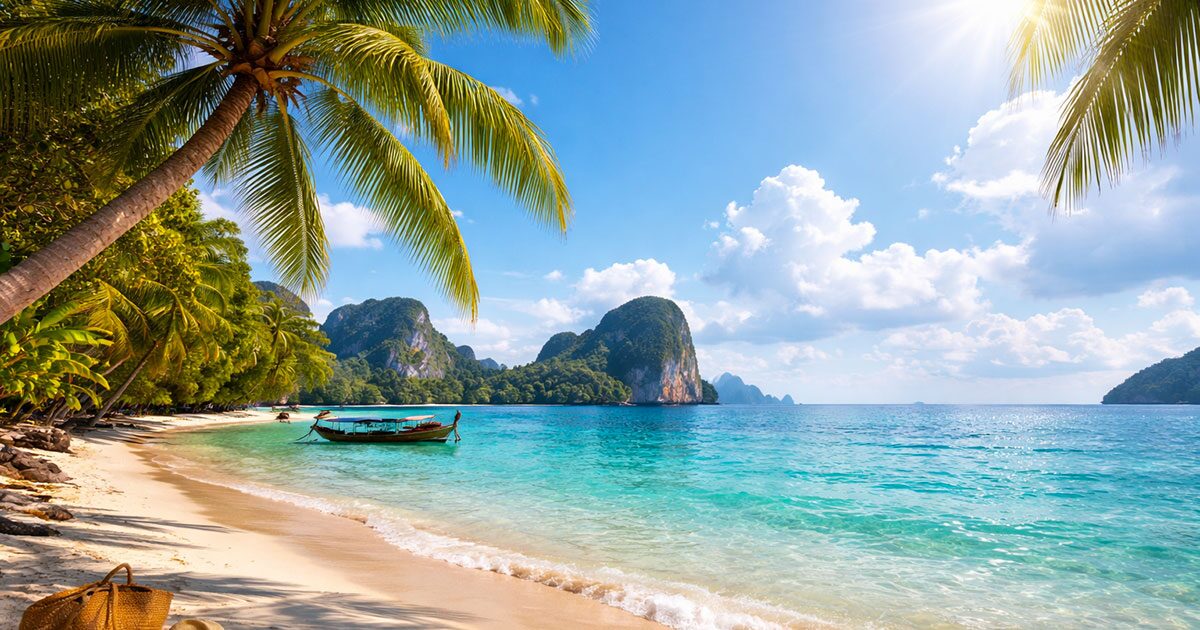
It is the closest European destination to Quebec, and almost nobody knows it. Nine volcanic islands in the middle of the Atlantic, about five hours from Montreal — less than Vancouver. You go for the hiking, the whales and landscapes with no European equivalent.
Which island should you choose?
This is the first decision, and it shapes the whole trip.
São Miguel, the largest and most accessible, holds the essentials: the crater lakes of Sete Cidades and Furnas, the hot springs, the tea plantations — the only ones in Europe. For a first trip, this is the one.
Pico carries Portugal’s highest peak and a UNESCO-listed vineyard where vines grow between walls of black lava. It is the island for walkers and wine drinkers.
Faial and its marina covered in sailors’ paintings, with the Capelinhos volcano whose 1950s eruption created a lunar landscape.
Terceira, the most historic, with UNESCO-listed Angra do Heroísmo and volcanic caves open to visitors.
Flores and Corvo, the most remote and the most spectacular, but also the hardest to reach — save them for a second trip.
The weather, which you must understand before going
This is what the photographs never show. The Azores sit in the open Atlantic, and the weather changes within an hour. There is no guaranteed season: you can have sun, rain and fog on the same day, on the same island.
The practical consequence is a simple principle: never plan an activity for a fixed date. Keep hikes and viewpoints as flexible options, done when the window opens. Travellers who leave disappointed are the ones who scheduled everything in advance.
When should you go?
May to September for the best weather and for whale and dolphin watching, which peaks in spring as the great migrating whales pass through. July and August are busier and dearer, but remain modest compared with any Mediterranean island.
Winter is mild — the ocean tempers everything — but windy and wet, with inter-island flights often cancelled.
What you do there
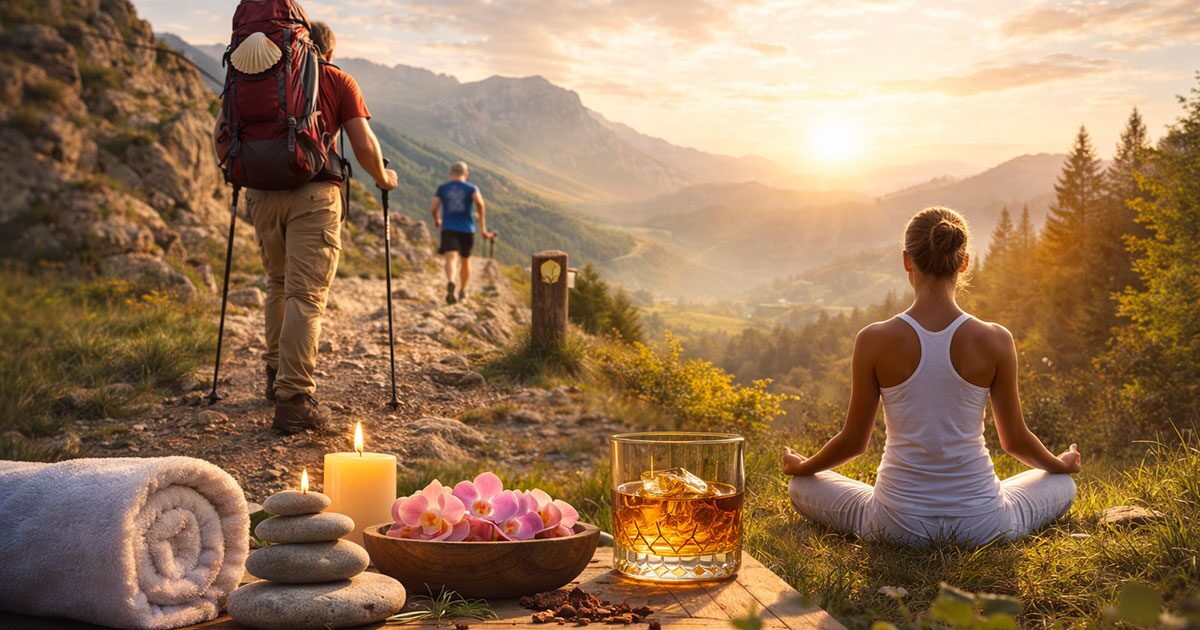
Hiking first, on marked trails that cross craters, follow cliffs and drop into fern valleys. Whale watching next, with one of the highest success rates in the world. The natural thermal baths of Furnas, where iron-rich water stains swimsuits. And cozido, a stew cooked underground by volcanic heat, ordered the day before.
Getting around
A car is necessary on each island; public transport is sparse and slow. Between islands you fly with the regional carrier or take the boat in summer. Always allow a spare day before a return flight: cancellations for fog are common.
Going from Quebec
Seasonal flights link Montreal directly to the Azores, and the rest of the year you connect through Lisbon or Boston. It is the only European destination a Quebecer can reach in half a day without an exhausting overnight flight.
An adviser can check the seasonal routes, which change from year to year, and build a two-island itinerary rather than one.
Voyages AquaTerra holds a Quebec travel agency licence. Our clients are covered by the Compensation Fund for Customers of Travel Agents, under the conditions set out in the regulation. Call an adviser at 1-866-628-6241.


