Burlington IA Iowa

20 Cruises availables At departure or passage at this port

Viking River Cruises (20 Cruises)

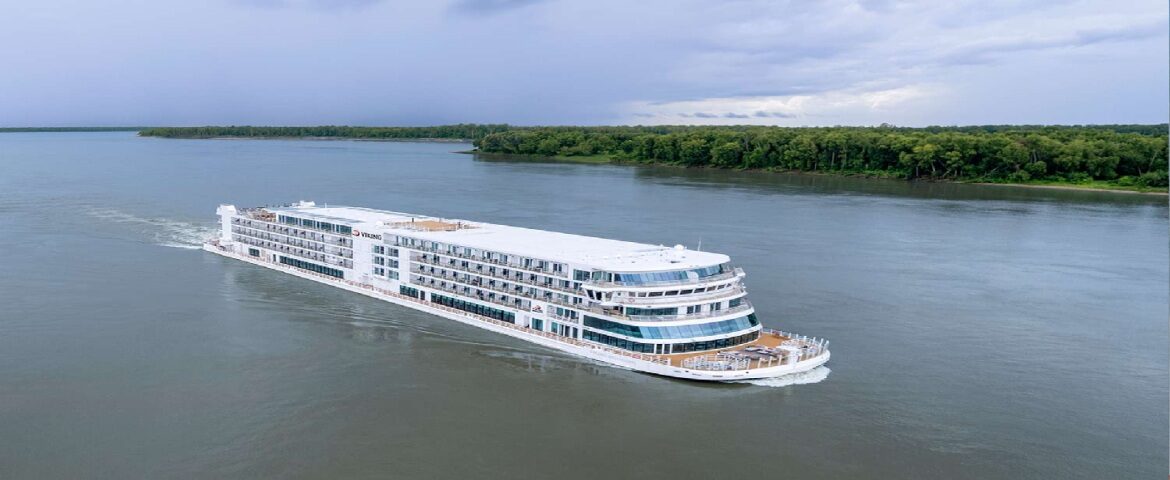
Viking Mississippi.

Viking Mississippi

Visit the ship's page

Port of Burlington, Iowa | Cruise Port Guide

The Mississippi carves a wide bend here at the foot of limestone bluffs, and Burlington rises up these heights like an amphitheatre facing the river. When the river ship docks right below downtown, passengers need only cross a few metres to find themselves in an Iowa city that was, in the nineteenth century, one of the gateways to the West. Trains replaced wagons here, sawmills ran day and night, and lumber fortunes built the Victorian mansions that still stand on the hills.

First Steps on Shore

The Port of Burlington welcome centre, housed in a former port building facing the dock, makes a natural starting point. Maps and advice are on hand before heading up toward the shopping streets just steps away, where painted signs recall the city's railroad-era heyday. The eye is drawn first to the Great River Bridge, a cable-stayed bridge whose single tower spans the water with an elegance unexpected in this landscape of silos and warehouses. In the steamboat era, this shoreline bustled with dockworkers and cargo; today, antique shops and cafés in the old commercial district occupy brick buildings weathered by a century and a half of trade.

Snake Alley, the Street That Winds

Burlington's most famous attraction climbs the hillside over a mere 84 metres. Built in 1894 to connect the business district to the residences on the heights, Snake Alley links five tight curves and two hairpin turns, paved with bricks laid on an angle to give horses better traction. The street claims the title of the most crooked street in the world, and climbing it on foot remains a simple pleasure: at the top, the rooftops of the lower town and the Mississippi compose a view that rewards the effort.

Heritage Hill and Its Mansions

Around the top of Snake Alley stretches Heritage Hill, a neighbourhood where Victorian styles follow one another street by street: turrets, verandas, ornate cornices. The Garrett-Phelps House, a mid-nineteenth-century home turned museum, recreates the daily life of a well-to-do family of the era. Nearby, the Des Moines County Heritage Center, housed in a former colonnaded library, traces the region's history, from Indigenous nations to railroad pioneers. Architecture enthusiasts can also head to the Capitol Theatre, a restored 1937 movie house whose marquee still lights up the main street.

The River Seen From Above

To take in the lay of the land, nothing beats little Mosquito Park, perched on the edge of the bluff just a few streets from the famous alley. The view stretches far: the Mississippi spreads out, dotted with wooded islands, crossed by barge convoys heading down toward New Orleans. It becomes clear then why the city settled exactly here, at the meeting point of water, rail, and prairie.

A Few Pointers for This Stop

  • Snake Alley and the Victorian mansion district: reachable on foot from the dock, with a steady climb;
  • the shopping streets and their antique shops: just behind the waterfront;
  • Mosquito Park: the best view over the valley;
  • the Heritage Center and the Garrett-Phelps House: for a deeper dive into local history.

Heading Back Down to the Pier

Burlington is best explored unhurried, at the pace of its sloping streets and porch-side conversations. Locals are quick to greet passengers, curious to know where the ship moored in front of their homes has come from. Crossing back over the gangway, visitors carry with them the image of small-town river America, proud of its bricks and its river, and one that leaves you eager to see what the next bend in the Mississippi holds.

Frequently Asked Questions

At the foot of downtown, on the Mississippi. The Port of Burlington visitor centre, in a former port building facing the dock, is the natural starting point for the call.
Yes, but expect a climb. The town rises on limestone bluffs: the shopping streets are steps away, while the Victorian house district takes a steady uphill walk.
A brick street that climbs the hill in barely 84 metres through five sharp curves and two quarter turns. Built in 1894, its bricks were laid at an angle to give horses grip; it claims the title of crookedest street in the world.
Climb Snake Alley, wander the Heritage Hill Victorian district, come back down through the shopping streets and their antique dealers, then finish at Mosquito Park for the river panorama.
Little Mosquito Park, perched on the bluff a few streets from Snake Alley. The river spreads out below, dotted with wooded islands and crossed by barge tows heading down to New Orleans.
The Garrett-Phelps House, a mid-nineteenth-century home turned museum, and the Des Moines County Heritage Center, housed in a former columned library. The restored 1937 Capitol Theatre rounds out the circuit.
US dollars and English. Cards are accepted everywhere; some cash is useful at antique shops and for tipping.
May through October, the Mississippi cruise season. Fall colours the valley and makes the Snake Alley climb more pleasant; Midwest summers are hot and humid.
Yes, with one caveat: the town is steep. Children enjoy Snake Alley enormously, but a stroller is hard work on it. The lower shopping streets stay easy.
The riverfront and lower shopping streets, yes. Snake Alley and Heritage Hill, no — the climb is steep and cobbled. A motorised excursion solves the upper town.