Barrow AK Alaska
4
Cruises availables
At departure or passage at this port
HX Expeditions (4 Cruises)

Utqiaġvik, Alaska | Cruise Port Guide
Frequently Asked Questions
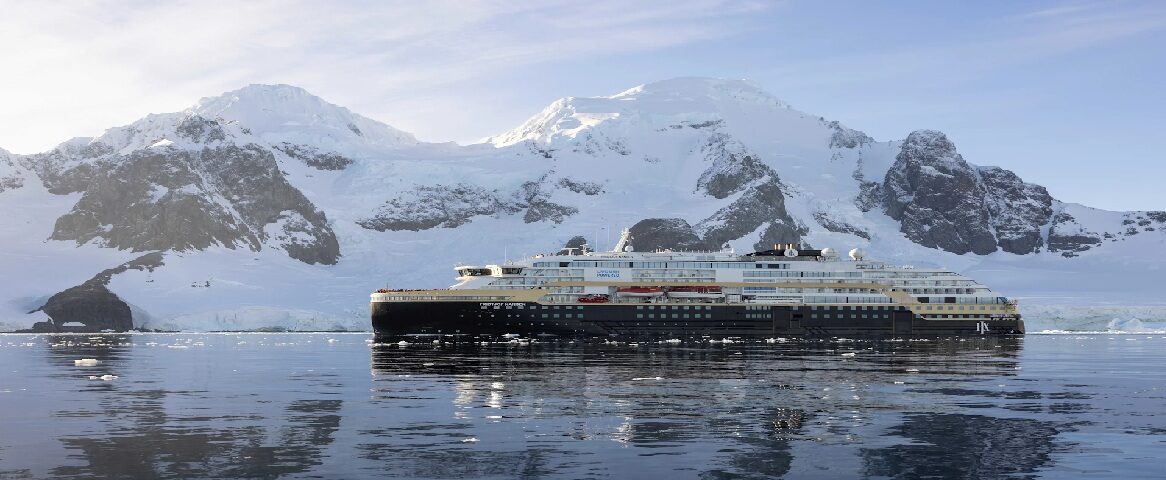
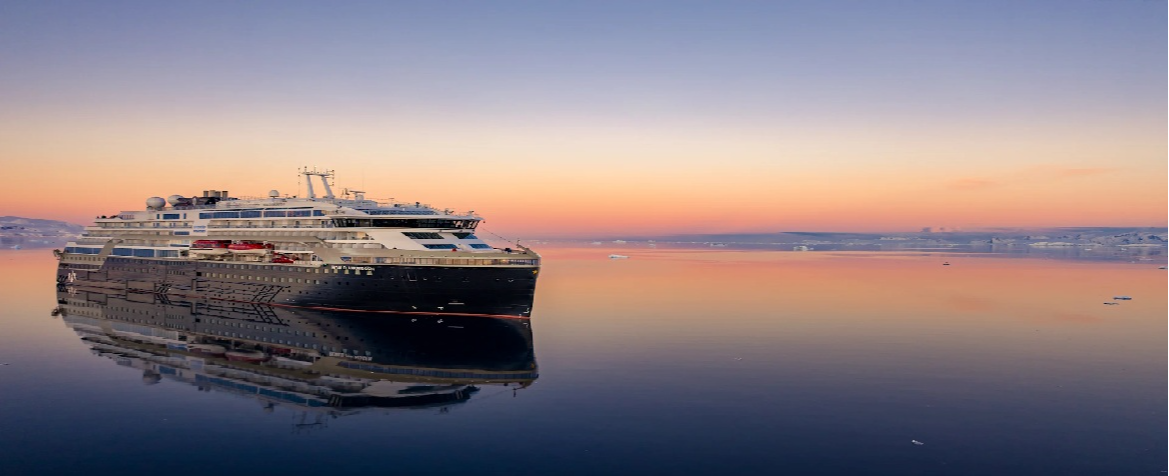
Nowhere: there is no deep-water pier. Expedition ships anchor offshore and transfer passengers by inflatable to the gravel beach, when sea and wind allow.
Yes, and you should accept that in advance. Arctic weather has the final word: a landing can be delayed or scrapped. You do not step ashore at the top of the continent as you would at a terminal.
At the northern tip of the United States, at 71 degrees north, more than 500 kilometres beyond the Arctic Circle. No trees, no road from the south: only tundra and the Arctic Ocean.
Because the community restored its original Iñupiaq name, Utqiaġvik, in 2016. The name Barrow, inherited from a British administrator, still appears on several navigation documents.
Not from mid-May to early August: this is the midnight sun. Conversely, polar night lasts about two months in winter, but ships do not come in that season.
An Iñupiat community of around 4,500 people, settled here for more than a thousand years. Whaling remains central to social and food life: approach the subject with respect.
Walk the shore facing the Arctic Ocean, visit the Iñupiat heritage centre, see the whalebone arch and listen to residents describe their country. This is a call about meeting people, not shopping.
Layers, even in July: the Arctic wind drives the felt temperature well below what the thermometer says. A windbreaker, a warm hat and gloves earn their place in midsummer.
US dollars and English, with Iñupiaq still spoken in the community. Shops are few and prices high: everything arrives by plane or barge.
July to mid-September, when the sea ice has pulled back far enough to let ships through. It is a narrow window, and it shifts from year to year.


